
Why Cryptocurrency Is the New Divorce Frontier
When I first heard a friend say, “We’ve built a crypto portfolio together, now we’re separating,” my mind raced through a list of questions that most divorce guides simply don’t ask. Traditional divorce advice assumes you’re untangling a house, a 401(k), maybe a retirement account. It rarely prepares you for the reality that a significant portion of your net worth could be living on a blockchain, behind a private key that only one of you knows.
In the past few years, the surge of digital currencies, NFTs, and decentralized finance (DeFi) platforms has turned what used to be a niche hobby into a mainstream wealth‑building strategy. For couples who embraced this wave, the breakup can feel less like dividing furniture and more like decoding an encrypted ledger. This post dives into the unique challenges crypto brings to divorce, offers a step‑by‑step roadmap for protecting your interests, and highlights the legal and emotional nuances that often go unnoticed.
Understanding the Landscape: What “Crypto” Really Means in a Marriage
Cryptocurrency isn’t a single monolithic asset. It includes:
- Coins and tokens: Bitcoin, Ethereum, stablecoins, and a hundred‑plus altcoins.
- Non‑fungible tokens (NFTs): Digital art, collectibles, and even virtual real estate.
- DeFi positions: Liquidity pools, yield‑farming stakes, and governance tokens.
- Staking rewards and airdrops: Ongoing income streams that can compound over time.
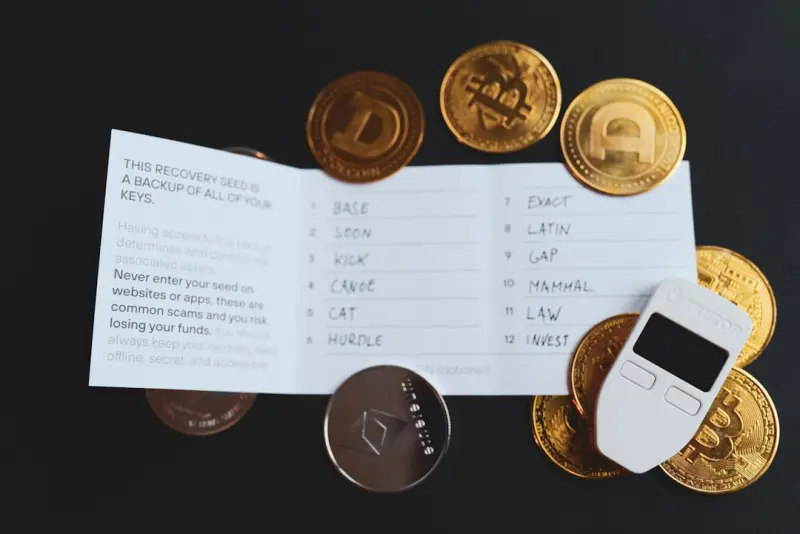
Each of these components behaves differently from a conventional investment. They can be highly volatile, they often lack clear market valuations, and—crucially—they’re stored in digital wallets that may be password‑protected, hardware‑encrypted, or even written down on a piece of paper.
Because of these quirks, the forensic accounting tools that once excelled at tracing bank accounts now need to adapt to blockchain explorers, smart‑contract audits, and cryptographic keys.
Legal Gaps and Emerging Precedents
Family law courts have historically lagged behind technological innovation. In many jurisdictions, there’s still no clear statutory definition of “cryptocurrency,” which leaves judges to interpret it under existing categories like “personal property” or “investment assets.” This ambiguity can produce wildly different outcomes:
- Some courts treat a crypto wallet as a single asset, assigning it a market value on the day of filing.
- Others require a fair market valuation over a period (e.g., the average price during the 30 days before the petition).
- In rare cases, judges have ordered the disclosure of private keys to ensure an equitable division, raising privacy and security concerns.
Because the law is still catching up, couples who proactively address crypto in their separation agreements can avoid costly litigation and preserve the security of their digital assets.
Step 1: Take Inventory—Before the Lawyer Walks In
The first—and perhaps most daunting—task is to create a comprehensive inventory of every digital asset you own, either individually or jointly. Here’s how to approach it methodically:
- List every wallet address. Include hardware wallets (Ledger, Trezor), software wallets (MetaMask, Trust), and custodial accounts (Coinbase, Binance).
- Record the assets held. Note each coin, token, NFT, and DeFi position, along with the quantity.
- Document acquisition dates and cost basis. This information helps establish the value at the time of separation and can be crucial for tax considerations.
- Capture private key storage methods. Whether it’s a seed phrase written on paper, a password manager entry, or a biometric lock, you need a clear picture of where the keys reside.
- Take screenshots of balances. While blockchain explorers provide public data, many assets (especially those in private or permissioned ledgers) are not visible without access.
Doing this yourself may feel invasive, but it sets a transparent foundation. If you’re uncomfortable handling the technical side, consider hiring a crypto‑savvy forensic accountant—someone familiar with blockchain analysis—to assist.
Step 2: Secure the Keys (and Your Privacy)
Once you have an inventory, the next priority is to protect the assets from being unintentionally transferred or hacked during the divorce process. Follow these best practices:
- Separate the wallets. Transfer jointly‑owned assets to a neutral, third‑party escrow wallet that both parties agree to use until the final settlement.
- Enable multi‑signature (multisig) controls. Require both parties’ approval for any transaction, which prevents unilateral withdrawals.
- Update security protocols. Change passwords, enable two‑factor authentication, and store seed phrases in fire‑proof, waterproof containers.
- Consider a temporary freeze. Some custodial platforms allow you to place a “hold” on accounts pending legal review.
Remember, the moment you reveal a private key to a lawyer or mediator, you risk exposure to phishing attacks. Use encrypted communication channels and limit access to the minimum required.
Step 3: Valuation—Finding the Right Method for a Volatile Asset
Valuing crypto is a balancing act. The market can swing 10‑20 % in a single day, making it impossible to lock in a single price without risking unfairness. Courts have experimented with several approaches:
- Snapshot valuation. Capture the market price at the exact moment the divorce petition is filed. Simple but volatile.
- Averaged valuation. Use the average price over a 30‑day window surrounding the filing date. This smooths out short‑term spikes.
- Future‑value projection. In rare cases, especially for long‑term staking contracts, experts may project expected earnings over the next few years.
- Hybrid method. Combine a snapshot for highly liquid coins (e.g., Bitcoin) with an averaged approach for illiquid tokens or NFTs.
Engaging a qualified AI‑driven estate strategy consultant can help produce a defensible valuation report that satisfies both parties and the court.
Step 4: Draft a Crypto‑Specific Settlement Clause
Standard divorce decrees rarely address the nuances of digital assets. A well‑crafted clause should cover:
- Division method. Specify whether assets will be split 50/50, or based on contribution, or using a hybrid approach.
- Transfer timeline. Outline deadlines for moving crypto to each party’s designated wallets.
- Tax responsibilities. Clarify who will bear capital‑gains taxes triggered by the transfer.
- Future earnings. Address any ongoing staking rewards or DeFi yields that will accrue after the division date.
- Dispute resolution. Include a mechanism (e.g., mediation by a blockchain expert) for handling valuation disagreements that may arise later.
Having this clause in place not only reduces friction but also protects you from future claims that you “hid” assets or failed to disclose a wallet.
Step 5: Address the Emotional Side of Digital Wealth
Divorce is emotionally taxing, and crypto can amplify that stress. Many couples built their crypto portfolio as a shared hobby—a symbol of partnership and forward‑thinking. When the relationship ends, those digital tokens can feel like reminders of lost dreams.
Consider these coping strategies:
- Separate the narrative. View the crypto split as a financial rebalancing rather than a personal loss.
- Seek professional counseling. A therapist familiar with financial trauma can help you process feelings of betrayal or anxiety linked to volatile assets.
- Re‑establish personal goals. Use the opportunity to redefine your own investment strategy, perhaps focusing on more stable, diversified assets.
Remember that the “digital” nature of crypto does not make the emotional impact any less real.
Step 6: Plan for Post‑Divorce Financial Health
Once the assets are divided, you’ll want to ensure your new financial footing is solid. Here are practical next steps:
- Re‑evaluate your risk tolerance. Without a partner’s support, you may want to shift from high‑risk altcoins to more stable holdings.
- Set up a secure, personal wallet. Choose a hardware wallet you control entirely, and back up the seed phrase in multiple secure locations.
- Update your estate plan. Add the newly acquired crypto to your will or trust, and designate beneficiaries.
- Monitor tax obligations. Crypto transactions are taxable events; keep meticulous records to avoid surprises during filing season.
Common Pitfalls and How to Avoid Them
Pitfall #1: Assuming “Joint” Means “Equal”. Some couples split profits 50/50 on paper, even though one partner contributed more capital or expertise. A forensic review can uncover the true contribution.
Pitfall #2: Ignoring Off‑Chain Assets. Many DeFi platforms store balances in smart contracts that are not directly visible on public explorers. Missing these can leave significant value undisclosed.
Pitfall #3: Overlooking Tax Implications. Transferring crypto can trigger capital gains taxes. Neglecting to account for this may lead to an unexpected tax bill for one party.
Pitfall #4: Relying on One‑Party Disclosure. If only one spouse controls the keys, the other may be blindsided. Insist on joint access or an independent audit before finalizing any agreement.
Looking Ahead: The Future of Divorce and Digital Wealth
As more people adopt decentralized finance, we’ll likely see a rise in “crypto‑aware” family law practices. Some jurisdictions are already drafting legislation that specifically addresses digital assets, and specialized mediators are emerging to bridge the gap between legal and technical expertise.
For now, the best defense is preparation. By taking inventory, securing your keys, obtaining a fair valuation, and drafting a detailed settlement clause, you can navigate the crypto‑laden waters of divorce with confidence.
If you’re at the beginning of this journey, remember: you’re not alone. Professionals who blend legal knowledge with blockchain fluency are increasingly available, and they can help you turn a potentially chaotic split into a structured, equitable resolution.

Allison Jarvis is a dynamic digital media and marketing professional dedicated to driving brand growth through impactful storytelling. With a sharp eye for market trends and a passion for data-driven strategies, she specializes in building cohesive online identities that resonate with modern audiences. Allison blends creative content production with robust analytics to maximize engagement and deliver measurable ROI. She continuously explores emerging digital tools to keep her projects ahead of the curve.
Related Posts

Turning Divorce Into a Financial Reboot: Strategies for Independent Wealth
A divorce can be a catalyst for financial empowerment. Learn practical steps to assess assets, rebui... Read More

Reinventing Your Digital Life After Divorce: A Roadmap for the Modern Professional
Divorce reshapes more than finances; it redefines your digital presence. This guide walks you throug... Read More

Finding Emotional Agility After Divorce: A Practical Guide for Professionals
Divorce reshapes life, but you can reclaim control by mastering emotional agility. This guide offers... Read More
Top Posts

Genetic Data Privacy: Navigating the Legal Minefield of Modern Medicine
A deep dive into how genetic data is reshaping medical law, the gaps in current statutes, and what lawyers can do to protect patient privacy....Read More

Crypto & Marriage: Crafting Modern Agreements for Digital Wealth
Explore practical strategies for marrying crypto assets, from prenups to estate planning, and stay ahead of the legal challenges of digital wealth....Read More

The Unseen Power of Plea Bargaining: What Every Defendant Must Know
Explore why plea bargains dominate criminal cases, the hidden consequences for defendants, and practical steps to safeguard your rights and seek alternatives....Read More

Navigating Criminal Law in 2026: Tech, Ethics, and the Human Story
A deep dive into 2026’s criminal law trends—AI, autonomous cars, cybercrime—and strategies for lawyers to blend tech savvy with human-centered advocacy....Read More
0 Comments
Post Comment
You will need to Login or Register to comment on this post!