

From the Frontlines of Care: Why Wearable Health Tech Is Testing the Limits of Medical Law
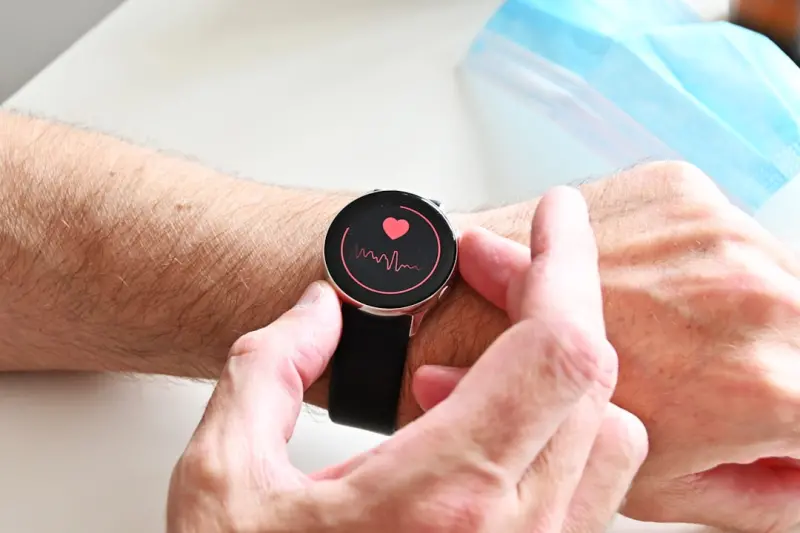
When I first walked into a hospital courtroom three decades ago, the most advanced piece of equipment we argued about was a magnetic resonance scanner. Today, a patient’s wrist can stream heart‑rate variability, sleep patterns, and even blood‑oxygen levels straight to a physician’s dashboard. The legal landscape that once focused on consent forms for invasive procedures now has to grapple with the subtle, continuous data streams generated by a smartwatch or a patch that adheres to skin for weeks.
As a medical‑law practitioner who has spent a career navigating the murky waters between patient rights, technology, and regulatory compliance, I’ve watched the sector evolve faster than most statutes can keep up. This post isn’t a speculative “what‑if” exercise; it’s a practical guide to the real‑world legal challenges that clinicians, device manufacturers, insurers, and patients are already confronting.
The Promise—and Peril—of Continuous Monitoring
Wearable health devices promise three things:
- Early detection. Real‑time analytics can flag arrhythmias before they become life‑threatening.
- Personalized care plans. Data on activity levels and glucose trends empower clinicians to tailor interventions.
- Patient empowerment. Individuals can see their own metrics and make lifestyle adjustments without waiting for a quarterly check‑up.
But each promise carries a legal liability:
- Data accuracy. If a device misreads a heart rhythm and a clinician misses a warning, who is responsible?
- Data ownership. Who owns the raw stream of biometric data— the patient, the device maker, or the health system?
- Security breaches. A hacker who intercepts a patient’s continuous glucose monitor data can not only violate privacy but also manipulate insulin dosing.
The answer isn’t simple, and the law is still catching up. Below, I break down the key arenas where we see friction and offer a roadmap for stakeholders.
1. Informed Consent in a World of Real‑Time Data
Traditional informed consent forms are static, often a page long, and signed before a procedure begins. With wearables, consent must become a living document. Patients need to understand:
- The type of data collected (e.g., heart rate, electrodermal activity).
- How long the data will be stored.
- Who can access it— the primary physician, a third‑party analytics platform, or a research entity.
- The risks of data breaches and potential misuse.
Practically speaking, clinicians should adopt a layered consent approach: a brief overview at device onboarding, followed by detailed electronic disclosures that patients can revisit at any time. Digital signatures and time‑stamped consent logs become essential tools. Failure to implement dynamic consent can trigger claims under HIPAA (or its international equivalents) and state privacy statutes.
2. The Accuracy Dilemma: When Sensors Fail
Device manufacturers tout accuracy percentages, yet real‑world conditions—motion artifacts, skin tone variations, and environmental interference—can degrade performance. In a landmark case last year, a patient sued a cardiac‑monitoring startup after a false‑positive arrhythmia alert led to an unnecessary cardiac catheterization, causing complications.
Key legal takeaways:
- Regulatory compliance is the floor, not the ceiling. FDA clearance (or CE marking) demonstrates a baseline safety level, but clinicians must still validate device data against gold‑standard measurements before acting on it.
- Risk allocation in contracts matters. Service agreements between health systems and device vendors should specify performance thresholds, liability caps, and indemnification clauses for erroneous readings.
- Clinical protocols should incorporate verification steps. A single abnormal reading should trigger a confirmatory test before any invasive procedure.
3. Data Ownership and the Commercialization of Health Metrics
Wearable data is a goldmine for research, insurance underwriting, and even marketing. Yet the line between “patient data” and “commercial asset” is blurry. Many device apps include terms that grant the manufacturer a non‑exclusive license to use aggregated data for “business purposes.”
Legal strategies to protect patients include:
- Negotiating data‑use addendums that limit commercial exploitation without explicit patient opt‑in.
- Leveraging state statutes such as the Illinois Biometric Information Privacy Act (BIPA), which imposes strict consent requirements and per‑violation damages.
- Adopting a algorithmic decision‑making framework that audits how health data feeds into predictive models, ensuring transparency and fairness.
4. Cybersecurity: The New Frontier of Medical Liability
Medical devices are increasingly connected to the internet, turning them into potential entry points for cyber‑attacks. A recent ransomware incident forced a network of insulin pumps offline, jeopardizing dozens of patients.
Legal implications are multi‑layered:
- Regulatory obligations. The FDA’s Postmarket Management of Cybersecurity Vulnerabilities guidance mandates that manufacturers implement a “cybersecurity risk management” program. Non‑compliance can trigger warning letters and fines.
- Insurance coverage. Traditional malpractice policies often exclude cyber‑risk, prompting providers to seek cyber‑liability endorsements tailored to medical devices.
- Patient‑to‑provider claims. If a breach leads to inaccurate dosing or delayed treatment, patients may sue under negligence theories, arguing that the provider failed to ensure a secure data pipeline.
Proactive steps include:
- Conducting regular penetration testing and firmware updates.
- Embedding encryption and multi‑factor authentication at the device level.
- Drafting clear incident‑response protocols that meet both HIPAA breach notification requirements and state‑specific timelines.
5. Cross‑Border Data Flows and the Global Patchwork of Privacy Laws
Many wearables are manufactured overseas, and their cloud services often store data in multiple jurisdictions. The European Union’s General Data Protection Regulation (GDPR) imposes “extraterritorial” obligations, meaning a US‑based health system that receives data from an EU patient must comply with GDPR’s strict consent, breach, and data‑subject rights provisions.
Key considerations for multinational providers:
- Map data residency—understand where each data point is physically stored.
- Implement Standard Contractual Clauses (SCCs) or Binding Corporate Rules (BCRs) for lawful transfers.
- Appoint a Data Protection Officer (DPO) who can oversee compliance across jurisdictions.
6. Re‑thinking Insurance Underwriting in Light of Wearable Data
Insurers are eager to use wearable data to refine risk models, but the practice raises ethical and legal concerns. Using real‑time activity data to adjust premiums could constitute discrimination if not grounded in actuarially sound methodology.
Regulators in several states have begun to examine “pay‑for‑performance” health insurance models that leverage wearables. Legal counsel should advise insurers to:
- Provide clear disclosures about how data influences pricing.
- Offer opt‑out mechanisms without punitive penalties.
- Ensure that underwriting algorithms are regularly audited for bias, much like the scrutiny applied to algorithmic sentencing in criminal law.
7. Litigation Trends: From Class Actions to Individual Claims
Recent court filings illustrate a shift from isolated negligence suits to large‑scale class actions alleging systemic failures of wearable manufacturers to protect data or ensure accuracy. Plaintiffs typically allege:
- Violation of privacy statutes (HIPAA, BIPA).
- Negligence in design or testing.
- Breaches of contract for failing to meet promised performance metrics.
Defendants often raise the “preemption” defense, arguing that FDA clearance supersedes state law claims. However, courts have increasingly recognized that FDA compliance does not shield manufacturers from negligence or privacy claims, especially when post‑market monitoring is inadequate.
Practical Checklist for Stakeholders
Below is a concise, actionable checklist that can be incorporated into contracts, policies, and daily workflows.
- Consent Management
- Implement dynamic, electronic consent forms.
- Log consent timestamps and version control.
- Data Accuracy Protocols
- Validate device readings against clinical gold standards before acting.
- Include performance thresholds in vendor agreements.
- Ownership & Use
- Negotiate data‑use addendums limiting commercial exploitation.
- Conduct regular privacy impact assessments.
- Cybersecurity
- Adopt encryption, MFA, and routine penetration testing.
- Secure cyber‑liability insurance with specific device coverage.
- Cross‑Border Compliance
- Map data residency and implement SCCs/BCRs.
- Appoint a DPO for multinational operations.
- Insurance Underwriting
- Disclose data usage in premium calculations.
- Offer opt‑out without penalty.
- Litigation Preparedness
- Maintain comprehensive audit trails of device data and decisions.
- Prepare for both state privacy claims and federal negligence claims.
Looking Ahead: The Role of Policy Makers
Legislators are beginning to recognize the need for tailored statutes that address the nuances of wearable health tech. Proposed bills in several states aim to:
- Define “medical-grade” wearables and apply stricter oversight.
- Require manufacturers to provide post‑market performance data to the FDA and to the public.
- Mandate breach‑notification timelines that are faster than current HIPAA standards.
As legal professionals, we must stay engaged in the policy process, offering expertise that balances innovation with patient safety. Participating in public comment periods, joining industry working groups, and collaborating with health‑tech startups can ensure that future regulations are both practical and protective.
Conclusion: Embrace the Innovation, Guard the Rights
Wearable health technology is reshaping how we think about diagnosis, treatment, and wellness. Its continuous data stream offers unprecedented opportunities for early intervention, but it also opens a Pandora’s box of legal questions that touch every corner of medical law—from consent and privacy to liability and insurance.
My advice to anyone standing at this crossroads is simple: don’t wait for the statutes to catch up. Build robust, forward‑looking contracts, embed privacy‑by‑design principles, and keep the patient’s rights front‑and‑center. By doing so, we can harness the power of wearables while safeguarding the trust that underpins the entire health‑care ecosystem.

I am Madden Persons, a content writer and digital influencer dedicated to crafting impactful stories and building authentic online connections. With a strategic approach to content creation, I develop engaging articles, digital campaigns, and social media narratives that help brands elevate their online presence and connect meaningfully with their target audiences.
Passionate about modern digital trends and audience engagement, I specialize in translating complex ideas into compelling content that sparks conversation, drives results, and strengthens brand identity.
Related Posts
The Unseen Risks of Wearable Health Tech: Liability, Consent, and Regulation
Wearable health technology promises real‑time insights, but it also raises complex legal questions... Read More

When Medicine Meets the Courtroom: Emerging Battles in Medical Law
A deep dive into the newest legal frontiers reshaping healthcare—from remote care and data privacy... Read More

AI‑Powered Telehealth: Legal Challenges and Practical Safeguards
AI‑driven telehealth reshapes care but introduces legal pitfalls. Discover how consent, data priva... Read More
Top Posts

Divorce in the Age of Digital Identity: Untangling Online Lives
A deep dive into the often‑overlooked challenges of separating social media, cloud services, and virtual identities during divorce, with practical guidance fo...Read More

Beyond the Will: Crafting Trusts for Digital Legacies and the Modern Family
Traditional wills fall short for today’s digital wealth. Discover how to design a flexible, privacy‑focused digital trust that secures crypto, online accoun...Read More

Why Family Mediation Is the Smart Choice for Modern Disputes
Family mediation is emerging as a cost‑effective, relationship‑preserving alternative to courtroom battles. This post explores how mediation works, when itâ...Read More

Why Modern Business Owners Need Trusts for Seamless Succession
A comprehensive guide on why founders and business owners should adopt trusts for smoother succession, asset protection, and lasting legacy....Read More
0 Comments
Post Comment
You will need to Login or Register to comment on this post!