
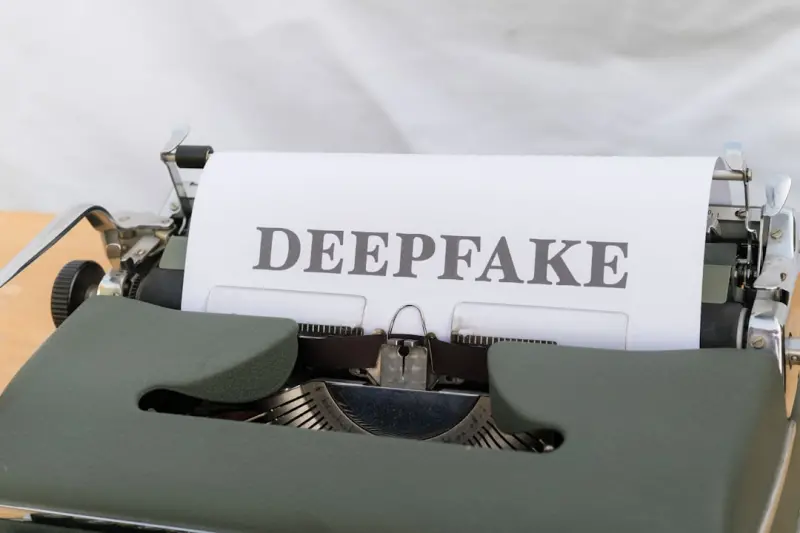
The Rise of Deepfakes and Their Criminal Law Implications
When I first heard the term “deepfake,” I imagined a sci‑fi thriller where AI‑generated faces swapped places on the big screen. Fast forward to today, and those same technologies are slipping into real‑world courtrooms, threatening to rewrite the playbook of criminal prosecution. As a criminal defense attorney who’s spent a decade navigating the murky waters of digital evidence, I can tell you that the stakes have never been higher. Deepfakes aren’t just a novelty; they’re a weapon—one that can fabricate alibis, smear reputations, and even manipulate jury perception.
What Exactly Is a Deepfake?
In the simplest terms, a deepfake is a synthetic media artifact created using deep learning algorithms—usually generative adversarial networks (GANs). These models can blend real footage with fabricated elements, producing videos that are indistinguishable from genuine recordings to the untrained eye. While the technology has legitimate applications in entertainment and education, its dark side is rapidly emerging in the criminal sphere.
Why Criminal Law Is Unprepared
The criminal justice system relies heavily on the authenticity of visual and audio evidence. Historically, a grainy security camera or a shaky smartphone video could be cross‑examined, and a trained forensic analyst could often determine its credibility. Deepfakes upend this paradigm. Even the most seasoned forensic experts can struggle to differentiate a well‑crafted fake from reality without specialized tools—tools that many public defenders and small prosecutor offices simply don’t have.
From Fabricated Alibis to False Confessions
Imagine a scenario where a suspect is accused of a violent crime, but a deepfake video surfaces showing them miles away at the time of the incident. Or consider a situation where a deepfake audio clip is presented as a confession, complete with the defendant’s voice saying, “I did it.” The potential for miscarriage of justice is staggering.
- Fabricated Alibis: A deepfake can place a defendant at a different location, undermining eyewitness testimony.
- False Confessions: Audio deepfakes can mimic a defendant’s vocal patterns, creating the illusion of a voluntary confession.
- Defamation and Extortion: Bad actors can release compromising deepfake videos to coerce or blackmail individuals, leading to criminal extortion cases.
Case Study: The Virtual Reality Injury Dilemma
While the case I’m referencing isn’t a criminal prosecution, it illustrates how emerging tech can strain legal frameworks. In a recent lawsuit involving a user who suffered an injury while using a VR platform, the plaintiff’s counsel had to grapple with new forms of digital evidence—something that criminal lawyers will soon encounter with deepfakes. The courts were forced to admit expert testimony on the authenticity of video files, a precedent that will undoubtedly echo in future criminal matters.
Current Legal Safeguards and Their Gaps
Some jurisdictions have begun to draft statutes specifically targeting synthetic media. For example, a handful of states have enacted “deepfake disclosure” laws requiring any manipulated media to carry a clear label. However, these measures are primarily aimed at political advertising, not at the evidentiary standards required in criminal trials. Moreover, the enforcement mechanisms are vague, leaving prosecutors and defense attorneys in a gray zone.
How Prosecutors Are Adapting
Prosecutors are learning to treat deepfakes as a distinct category of digital evidence. Many now consult with AI forensic labs that specialize in detecting anomalies such as inconsistent lighting, unnatural eye movements, or audio artifacts. The challenge is twofold: first, acquiring these specialized services within budget constraints; second, presenting technical findings in a way that jurors can understand without being overwhelmed.
Defense Strategies in the Age of Deepfakes
From the defense side, the focus is on establishing a chain of custody and demonstrating the possibility of manipulation. A strong defense may involve:
- Hiring independent AI forensic experts to scrutinize the media.
- Challenging the admissibility of the evidence under the Daubert standard.
- Introducing alternative evidence (e.g., alibi witnesses, GPS data) that directly contradicts the deepfake’s narrative.
It’s a high‑stakes game of “who can prove the truth,” and the truth is increasingly layered.
The Role of the Judiciary
Judges are at the front line of this battle. Their rulings on admissibility set the tone for how courts will handle synthetic media. A progressive judge might require that any digital video be accompanied by a forensic validation report before it can be presented to a jury. Conversely, a more conservative judge might rely on traditional hearsay rules, potentially excluding critical evidence that could exonerate a defendant.
Technology as Both Threat and Tool
Ironically, the very technology that creates deepfakes can also help detect them. Machine learning models trained on large datasets of authentic and fabricated videos can flag suspicious content with a high degree of accuracy. Open‑source tools like Deepware Scanner and commercial platforms such as Sensity AI are already being piloted by law firms.
But these solutions require resources. Small‑scale public defenders’ offices often lack the budget for premium forensic services, creating a disparity that could widen existing inequities in the criminal justice system.
Ethical Considerations for Legal Professionals
Legal practitioners must grapple with the ethical implications of using AI tools. For instance, if a defense attorney discovers that the prosecution’s video evidence is a deepfake, they have a duty to disclose that information. However, they must also ensure that any expert testimony they present is based on reliable methodology, adhering to the Model Rules of Professional Conduct.
Furthermore, the rise of deepfakes raises privacy concerns. In many cases, the creation of a deepfake requires the unauthorized use of a person’s likeness—a potential violation of privacy rights that could spawn separate civil claims.
International Perspectives
While the United States is still piecing together a patchwork of statutes, the European Union has taken a more unified approach. The EU’s Digital Services Act mandates that platforms remove illicit deepfakes within a set timeframe, and member states are encouraged to criminalize the malicious creation of synthetic media. These developments could influence American lawmakers to adopt more cohesive regulations.
Future Outlook: Toward a New Evidentiary Framework
In my view, the criminal justice system will need to develop a specialized evidentiary framework for synthetic media. Such a framework might include:
- Standardized Forensic Protocols: A set of procedures that all labs must follow when analyzing digital media.
- Certification Requirements: Only certified experts could testify on deepfake authenticity.
- Transparency Obligations: Prosecutors would be required to disclose the origin and handling of any video evidence.
- Resource Allocation: Funding streams dedicated to providing defense teams with access to forensic analysis.
Only by institutionalizing these safeguards can we ensure that deepfakes become a hurdle for perpetrators, not a loophole for the innocent.
Practical Tips for Practitioners
If you’re a criminal lawyer navigating this new terrain, consider the following actionable steps:
- Stay Informed: Follow developments in AI forensics and attend seminars on digital evidence.
- Build a Network: Establish relationships with reputable forensic labs early, so you have trusted partners when a case emerges.
- Educate Your Clients: Make sure clients understand the potential for deepfake manipulation and the importance of preserving original data.
- Leverage Existing Resources: While you may not have a dedicated budget, many universities and non‑profits offer pro bono forensic services for criminal defense.
By proactively integrating these practices, you’ll be better prepared to protect your clients’ rights in a world where seeing isn’t always believing.
Conclusion: The Battle Ahead
The emergence of deepfakes is more than a technological curiosity; it is a seismic shift that threatens the core tenets of criminal law—truth, fairness, and due process. As lawyers, judges, and policymakers scramble to adapt, the onus is on each of us to champion rigorous standards, invest in reliable forensic tools, and safeguard the integrity of our judicial system. The future may be digital, but the pursuit of justice remains fundamentally human.

Liam James Professor with a PHD. & content creator with a passion for sparking curiosity and sharing knowledge. Driven by the joy of learning and storytelling, I bring ideas to life in every project. Always exploring, always teaching.
Related Posts
When Algorithms Judge: AI’s Impact on Criminal Law
The article examines how AI and digital evidence are reshaping criminal law, from predictive policin... Read More
The Digital Gavel: How Technology is Reshaping Criminal Law
In the age of algorithms, criminal law faces unprecedented change. From AI-driven risk tools to digi... Read More

Cyber Fraud Surge: Defense Tactics in the Digital Age
Cyber fraud is reshaping criminal law. In this deep dive, I reveal how prosecutors build cases, the ... Read More
Top Posts

The Rise of Conversational Search: Winning the Voice‑First SERP
A deep dive into conversational SEO for SaaS, covering intent mapping, structured data, AI‑assisted content creation, and metrics to measure voice‑assistant...Read More

When Pixels Turn Dangerous: The Criminal Law Response to Online Harassment
A deep dive into the evolving criminal legal landscape confronting online harassment, from cyberstalking statutes to restorative justice and AI‑driven threats...Read More

The Intersection of Automotive Law and Family Dynamics: A Complex Web of Liability
The intersection of automotive law and family dynamics creates a complex web of liability in vehicle accidents. Understanding the legal landscape and seeking ex...Read More

The Shifting Landscape of Family Law: Trends, Challenges, and Insights
The shifting landscape of family law is complex and multifaceted. Learn how to navigate the complexities of modern family dynamics and ensure the best interests...Read More
0 Comments
Post Comment
You will need to Login or Register to comment on this post!