
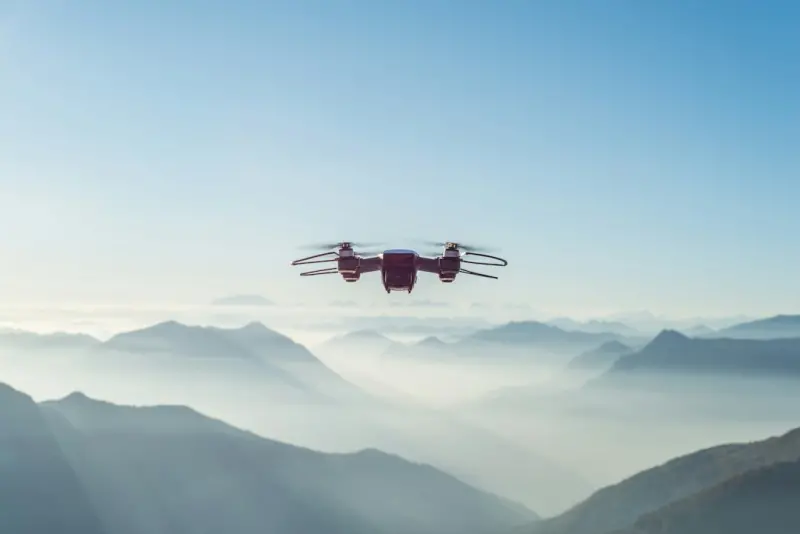
Imagine a neighborhood where the whirr of a tiny quadcopter is as common as the hum of a lawn mower. Packages zip overhead, groceries arrive without a doorbell, and the future feels seamless. Then, out of nowhere, a drone plummets onto a sidewalk, striking a jogger. The victim walks away with a broken wrist and a bruised ego, while the drone’s operator scrambles to explain a “technical glitch.” Welcome to the new frontier of personal injury law—one where aerial delivery services, AI‑driven navigation, and urban airspace collide with everyday life.
The Drone Delivery Boom and Its Human Toll
Over the past few years, major retailers and startups have poured billions into autonomous aerial delivery networks. The promise is simple: faster, cheaper, and greener last‑mile logistics. Yet, as fleets multiply, so do the incidents. From near‑misses in crowded city parks to full‑blown crashes that land on unsuspecting pedestrians, the statistics are climbing. According to industry reports, drone‑related injuries have risen by double digits annually, and the legal system is still figuring out how to keep pace.
Why Traditional Personal Injury Frameworks Fall Short
Classic personal injury doctrine hinges on three pillars: duty of care, breach, and causation. In the context of a drone, each pillar becomes murkier.
- Duty of care: Who owes a duty to a passerby? The drone’s owner, the software developer, the air‑traffic controller, or the municipal regulator?
- Breach: Is a software glitch a breach? Does a “low‑altitude” flight path constitute reasonable safety?
- Causation: With AI making split‑second decisions, can a human operator be held liable for an autonomous action?
These questions echo the challenges faced in other emerging tech arenas. For example, When Algorithms Become Accused dives deep into how courts are wrestling with algorithmic accountability. Personal injury law is now on a similar tightrope, needing to balance innovation with protection.
Liability Theories in Drone‑Induced Injuries
Courts have begun to apply a blend of traditional tort concepts and newer doctrines:
- Negligence per se: If a drone violates an FAA regulation (e.g., flying over a populated area without a waiver), the breach is presumed negligent.
- Strict product liability: Manufacturers of drones can be held liable if a design defect causes injury, regardless of user conduct.
- Vicarious liability: Companies that employ drone pilots may be on the hook for their employees’ actions, similar to how employers are liable for vehicle accidents caused by drivers.
- Premises liability: In some cases, property owners may be responsible if they allow a drone to land on their land and it later malfunctions.
Evidence Collection: From Crash Site to Courtroom
The digital nature of drones offers both a blessing and a curse for litigators. On one hand, drones constantly log flight data—altitude, speed, GPS coordinates, and even video streams. On the other, the authenticity of that data can be contested, especially when parties argue about software glitches or tampering.
Here, the battle over truth mirrors the challenges outlined in Synthetic Media, Deepfakes, and the Law. Just as deepfakes can obscure reality in defamation suits, altered flight logs can muddy the waters in personal injury claims. Attorneys must therefore become adept at forensic analysis, engaging experts who can verify timestamps, hash values, and sensor integrity.
Insurance Implications: Who Pays the Bills?
Insurance policies have historically covered ground vehicles and conventional premises liability, but drone coverage is still nascent. Some insurers now offer “micro‑policies” tailored to specific flight missions—think of them as the Micro‑Policies that emerged for AI underwriting. These policies may include:
- Liability limits for third‑party bodily injury.
- Hull coverage for drone damage.
- Cyber risk protection for data breaches that could affect flight safety.
However, many providers still exclude “acts of God” or “software failures,” leaving victims to chase under‑insured operators. This gap fuels a growing market for specialized drone liability insurers, and plaintiffs’ attorneys must stay vigilant about policy language to secure compensation.
Preparing as a Plaintiff: Practical Steps
If you find yourself on the receiving end of a falling drone, here’s a roadmap to protect your rights:
- Seek medical attention immediately. Documentation of injuries is the backbone of any claim.
- Preserve the scene. If safe, photograph the drone, surrounding area, and any debris.
- Gather data. Request flight logs from the operator and any video footage from nearby surveillance cameras.
- Identify the operator. Look for markings on the drone, QR codes, or contact the local FAA office for registered owners.
- Report to authorities. Filing a police report creates an official record, essential for insurance and litigation.
- Consult an attorney early. Drone law is complex; a lawyer experienced in tech‑centric personal injury can navigate liability theories and evidence challenges.
The Role of Regulation: From Skies to Courts
Regulators are playing catch‑up. The FAA’s Part 107 rules cover small unmanned aircraft, but they were crafted before the era of autonomous delivery drones crisscrossing city streets. Calls for “urban air mobility” (UAM) frameworks are intensifying, pushing for:
- Mandatory geofencing to prevent flights over crowds.
- Real‑time remote identification of drones.
- Standardized safety certifications for AI navigation software.
Until such rules crystallize, the courtroom will continue to fill the regulatory void, shaping precedent that may eventually inform policy.
When Remote‑Work Personal Injury Claims Meet the Sky
Just as the pandemic spurred a surge in home‑office injury litigation—highlighted in When Office Chairs Turn Dangerous—the rise of drone deliveries is creating a new class of “sky‑side” injuries. Employers who require employees to work from home may need to consider the risk of aerial package drops as part of their occupational safety plans, extending workers’ comp considerations beyond the traditional office environment.
Looking Ahead: The Intersection of AI, Drones, and Personal Injury Law
As artificial intelligence refines autonomous navigation, we can expect two divergent trends:
- Increased safety: AI can predict obstacles, adjust flight paths, and even execute emergency landings, potentially reducing the frequency of accidents.
- Heightened complexity: When an AI makes a split‑second decision that leads to injury, pinpointing culpability becomes a labyrinth of software code, data sets, and algorithmic bias.
Future courts may adopt a hybrid approach, combining negligence analysis with product liability doctrines, and perhaps even creating a new “algorithmic duty of care” standard. Lawmakers might codify “drone safety certifications” akin to vehicle crash‑worthiness ratings, giving plaintiffs a clear benchmark for breach.
Conclusion: Navigating the New Airspace of Personal Injury
The sky is no longer the limit—it’s a legal battlefield. Drone deliveries promise convenience, but they also introduce fresh hazards that challenge the foundations of personal injury law. From defining duty of care to untangling digital evidence, practitioners must evolve alongside technology. For victims, awareness and proactive steps are crucial to secure justice in this high‑tech arena. As drones continue to dot our skies, the law will have to rise to meet them, ensuring that the promise of aerial convenience never overshadows the right to safety on the ground.

Liam James Professor with a PHD. & content creator with a passion for sparking curiosity and sharing knowledge. Driven by the joy of learning and storytelling, I bring ideas to life in every project. Always exploring, always teaching.
Related Posts
Rolling Into the Legal Fast Lane: Decoding E‑Scooter Injuries
E‑scooter accidents raise unique legal questions. This article breaks down who can be sued, how to... Read More

When the Pain Persists: Uncovering Hidden Pitfalls in Personal Injury Claims
Personal injury claims often hide unseen obstacles that can erode compensation. This article reveals... Read More

When Alexa Trips: Navigating Personal Injury Claims in the Smart Home Era
Smart home devices promise convenience, but they can also cause injuries. This article breaks down l... Read More
Top Posts

The Hidden Perils of Home Office Injuries: A Personal Injury Perspective
Remote work has reshaped injury claims. Learn why home office accidents are now a personal injury frontier and how to safeguard your rights....Read More

Co‑Parenting Across State Lines: Legal Strategies for the Remote‑Work Era
In a world where parents log in from kitchens, cafés, and even different states, co‑parenting demands fresh legal strategies. This guide outlines flexible cu...Read More

Who Owns the Data in Your Dashboard? The Emerging Legal Landscape of Connected Cars
Connected cars generate massive streams of operational, behavioral, and location data, sparking a legal debate over ownership and privacy. This article unpacks ...Read More

Beyond Hours: How Mental Health and Burnout Are Redefining Labor Law
Burnout is becoming a legal liability as courts expand employer duties to include mental health. This article examines emerging doctrines, AI surveillance, wear...Read More
0 Comments
Post Comment
You will need to Login or Register to comment on this post!