
When Drones Take the Sky: Unpacking the Legal Landscape of Aerial Delivery
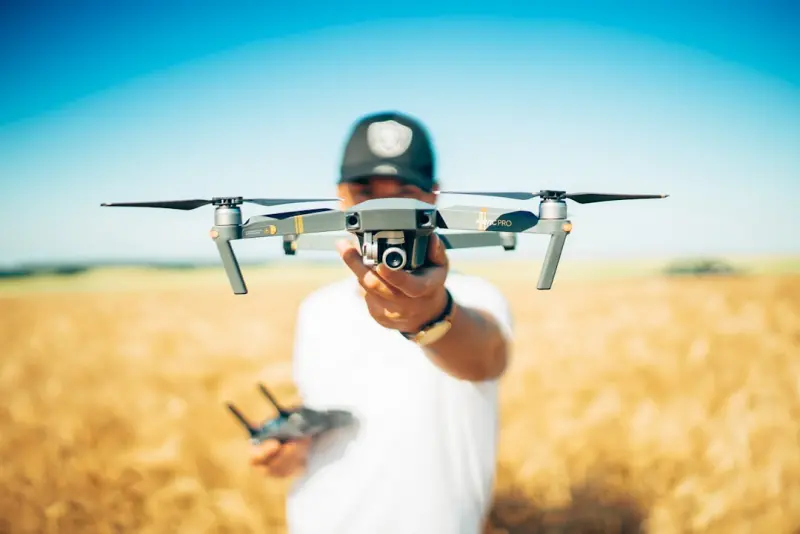
Imagine a world where a compact quadcopter buzzes above your doorstep, dropping a fresh pizza or a critical medical kit within minutes. That vision is no longer science fiction; it is rapidly becoming reality, and with it arrives a tangled web of legal questions that most of us have never considered. From airspace trespass to product liability, the rise of drone delivery forces legislators, businesses, and consumers to rethink traditional notions of property and safety. In this article, I’ll walk you through the emerging regulatory frameworks, the gaps that still exist, and the practical steps companies can take to stay ahead of the curve while protecting the public.
Who Owns the Sky? Federal and State Jurisdictions Collide
The first hurdle for any drone operator is navigating the jurisdictional maze that governs the airspace. The Federal Aviation Administration (FAA) claims authority over all navigable airspace, but state and local governments retain rights to regulate the land beneath it. This duality creates a patchwork of rules that can vary dramatically from one municipality to the next. For instance, a city may impose strict height restrictions over residential neighborhoods, while a neighboring county allows deliveries up to 400 feet. Companies must therefore conduct meticulous geofencing and obtain waivers for each operational zone, a process that can be both time‑consuming and costly. Understanding the interplay between federal and local authority is the cornerstone of a compliant drone strategy.
Privacy in the Age of Hovering Cameras
Drone delivery isn’t just about transporting goods; it also introduces a moving surveillance platform equipped with high‑resolution cameras and sensors. The public’s right to privacy is suddenly intersected with a device that can peer into backyards and capture images without consent. While the broader privacy conversation has focused on digital data, the physical world now demands attention. Operators must adopt privacy‑by‑design principles, such as blurring identifiable features and limiting data retention. Failure to do so can trigger state privacy statutes and lead to costly litigation, especially when sensitive personal spaces are inadvertently recorded.
Liability When Things Go Wrong: From Crash to Cargo Damage
Even with the most sophisticated navigation systems, drones are vulnerable to technical malfunctions, weather disturbances, and human error. When a drone collides with a power line or crashes onto a neighbor’s patio, the question of liability becomes paramount. Traditional product liability doctrines apply to the hardware, while negligence principles govern the operator’s conduct. Companies should secure comprehensive insurance policies that cover both property damage and bodily injury, and they must clearly delineate responsibility in their service agreements. Moreover, establishing a robust incident reporting system not only satisfies regulatory expectations but also demonstrates a commitment to risk mitigation.
Contractual Nuances: Drafting Clear Service Agreements
Service contracts for drone delivery must be crystal clear about who bears the risk at each stage of the delivery journey. From the moment the package leaves the fulfillment center to the instant it lands in the consumer’s hands, the allocation of responsibility can shift. Including clauses that specify “risk of loss” transfer points, force‑majeure events, and indemnification provisions protects both parties. It is also wise to embed arbitration clauses to streamline dispute resolution, given the novelty of many of these claims. By anticipating potential friction points, businesses can avoid protracted courtroom battles and preserve customer trust.
Environmental and Zoning Concerns: More Than Just Airspace
Beyond the legalities of flight, drones raise environmental and zoning issues that municipalities are beginning to address. Noise pollution, wildlife disruption, and the visual impact of constant aerial traffic are mounting concerns for residents. Some cities have introduced “drone corridors” that limit operations to specific flight paths, while others require environmental impact assessments before granting operational permits. Companies that proactively engage with community stakeholders and adhere to best‑practice environmental standards not only smooth the approval process but also cultivate goodwill that can be a decisive competitive advantage.
International Perspectives: Learning from Global Experiments
Countries such as Japan, Australia, and the United Arab Emirates have pioneered regulatory sandboxes that allow limited drone deliveries under controlled conditions. These experiments provide valuable insights into effective oversight mechanisms, such as real‑time flight tracking and mandatory operator licensing. By studying these models, U.S. firms can advocate for similar flexible frameworks that balance innovation with public safety. Collaborative efforts with international regulators also pave the way for cross‑border drone logistics, a frontier that promises to reshape global supply chains.
Future‑Proofing Your Business: Embracing Adaptive Compliance
The legal environment surrounding drone delivery is still in flux, with new statutes and case law emerging at a rapid pace. Companies that adopt an adaptive compliance strategy—regularly reviewing legal updates, investing in compliance technology, and training staff on evolving obligations—will be better positioned to navigate uncertainties. Partnering with legal counsel experienced in both aviation and technology law ensures that emerging risks are identified early. In an industry where a single misstep can result in a high‑profile lawsuit, staying ahead of the regulatory curve is not just prudent; it is essential for long‑term viability.
Conclusion: Charting a Safe Path Through the Skies
Drone delivery stands at the intersection of innovation and regulation, offering unprecedented convenience while challenging our legal frameworks. By understanding airspace jurisdiction, protecting privacy, clarifying liability, and crafting meticulous contracts, businesses can harness this technology responsibly. The journey ahead will require collaboration between regulators, industry leaders, and the public, but with thoughtful legal groundwork, the promise of faster, greener, and more efficient deliveries can become a sustainable reality.

Related Posts

When Machines Write: Navigating Copyright in the Age of AI‑Generated Content
Artificial intelligence can now write articles, design graphics, and compose music, but who owns the... Read More
Beyond Earth: Legal Frontiers of Commercial Spaceflight
Space tourism is soaring, but the law is still catching up. This article examines jurisdiction, liab... Read More

Charting the Legal Skies: A Guide to Commercial Drone Operations
Dive into the complex world of commercial drone law, where federal rules, state nuances, privacy con... Read More
Top Posts

AI, Telehealth & Liability: The New Frontier in Medical Law
A deep dive into how AI-driven diagnostics, cross‑border telemedicine, and privacy‑by‑design reshape liability and consent in modern medical law, offering...Read More

Medical Law in 2024: Kris M. Chen’s Insider Forecast on the Biggest Shifts
Kris M. Chen breaks down the 2024 medical law revolution, from AI diagnostics to telehealth, offering actionable insights for lawyers navigating this fast‑cha...Read More

Remote Work Tax Nexus: What SaaS Companies Must Know
Remote work has turned every employee’s home office into a potential tax nexus point. This article breaks down the new state tax rules, offers a data‑driven...Read More

The Unseen Struggles of Divorce: A Closer Look
Divorce is a complex and often challenging process, and it is the unseen struggles that can have a profound impact on an individual's mental and emotional well-...Read More
0 Comments
Post Comment
You will need to Login or Register to comment on this post!