
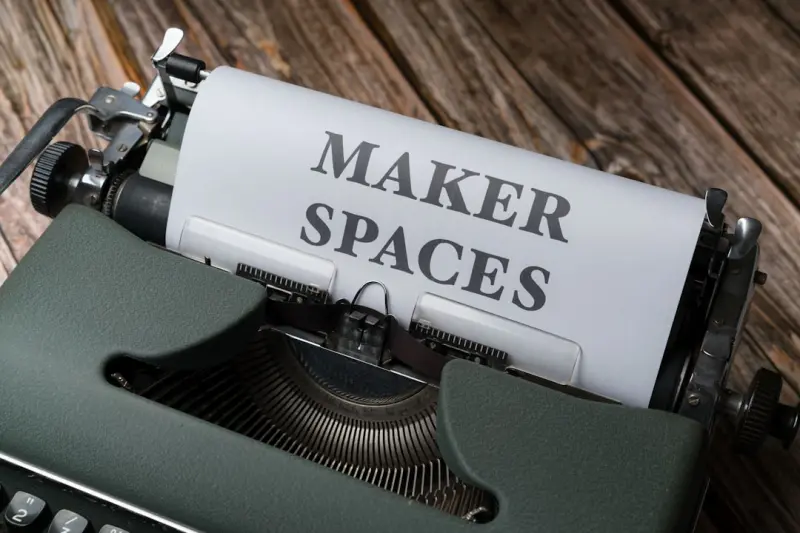
Artificial intelligence has gone from a sci‑fi curiosity to a daily tool that writes blog posts, composes music, drafts contracts, and even generates photorealistic images. As we hand over the pen to algorithms, the legal system is forced to answer a deceptively simple question: who owns the work an AI creates? The answer isn’t just academic—it shapes business models, influences investment in generative tech, and determines the future of creative professions.
The AI Content Boom: Why It Matters
In the past few years, generative models like GPT‑4, DALL‑E, and Stable Diffusion have moved from research labs to consumer‑ready platforms. Companies now offer AI‑as‑a‑service that can produce marketing copy at the click of a button, generate product mock‑ups in seconds, or write code snippets on demand. For marketers, journalists, designers, and developers, the productivity boost is undeniable. But every time a machine produces a piece of text, an image, or a melody, the underlying legal scaffolding—copyright, trademark, and contract law—gets strained.
Copyright 101: The Human Touch
Under most jurisdictions, copyright protects “original works of authorship” that are the result of human creativity. The United States Copyright Office, for instance, explicitly states that works created by a machine without human intervention are not eligible for protection. The Feist Publications v. Rural Telephone decision cemented the “originality” requirement, meaning that merely copying facts or data isn’t enough; there must be a modicum of creative spark from a person.
When an AI model outputs a paragraph, who—if anyone—has contributed that spark? The answer hinges on the level of human involvement:
- Tool‑Assisted Creation: A writer uses an AI to brainstorm headlines, then selects, edits, and arranges the output. The human author retains authorship.
- Fully Automated Generation: A user clicks “Generate” and publishes the result verbatim. Here, the line blurs, and many courts would deem the work public domain.
- Hybrid Collaboration: The user provides a detailed prompt, curates multiple outputs, and stitches them together. Courts may view this as a joint work, granting co‑ownership to the human.
Who Owns the Output? The Prompt Problem
Prompt engineering has become a new skill set. A well‑crafted prompt can coax an AI to produce a specific tone, style, or subject matter. Some argue that the prompt itself is a creative work, and therefore the person who writes it should own the resulting output. Others counter that the prompt is merely an instruction, akin to a recipe, and does not satisfy the originality threshold.
Legal scholars are divided. In the United Kingdom, the concept of “computer‑generated works” already exists: the Copyright, Designs and Patents Act assigns ownership to the “author” who made the necessary arrangements for the creation of the work, typically the programmer. In the U.S., however, the Thaler v. Perlmutter case (though dismissed on standing) opened the door to consider AI as a “creator,” a notion the Copyright Office quickly rejected.
The Data Training Set Dilemma
Behind every generative model lies a massive corpus of data—books, articles, images, and code scraped from the web. This training data is often copyrighted material. If an AI learns from protected works and then reproduces elements of them, does that constitute infringement?
Recent lawsuits against companies that train models on copyrighted content are still in flux, but the emerging consensus points toward the necessity of Data Fiduciaries frameworks. By treating the entities that collect and process training data as fiduciaries, the law could enforce stricter consent and licensing standards, reducing the risk that AI outputs infringe on the original creators’ rights.
Emerging Legal Frameworks and Policy Proposals
Governments worldwide are scrambling to adapt. The European Union’s Artificial Intelligence Act classifies generative AI as “high‑risk” for certain uses, mandating transparency about training data and providing users with a “human‑in‑the‑loop” requirement for content that could affect public discourse.
In the United States, legislators have proposed the AI‑Generated Works Act, which would create a new category of copyright—“AI‑assisted works”—granting limited protection to works where a human contributed less than a specified threshold of creative input. The bill also envisions a compulsory registration of AI models with the Copyright Office, akin to the registration required for software patents.
Beyond statutory changes, industry groups are self‑regulating. The Biometric Surveillance and Privacy Law discussion highlighted how SaaS platforms are drafting “model licensing agreements” that explicitly outline how AI‑generated content can be used, shared, or monetized.
Practical Steps for Creators and Companies
Whether you’re a freelance copywriter, a marketing team, or a startup building an AI product, you can take concrete actions to mitigate legal risk:
- Document Human Input: Keep records of prompts, edits, and decisions made during the creation process. This evidence can demonstrate authorship if a dispute arises.
- Review Training Data Licenses: If you’re training your own model, ensure you have clear rights to use the source material. Open‑source datasets often come with restrictions that are easy to overlook.
- Implement Transparency Notices: Inform end‑users when content is AI‑generated. Transparency not only builds trust but also satisfies emerging regulatory requirements.
- Consider Licensing Agreements: When using third‑party AI services, negotiate terms that grant you ownership or at least a broad license to the output.
- Stay Informed on Jurisdictional Changes: Copyright law evolves quickly in the AI space. Subscribe to legal newsletters, attend webinars, and consult counsel familiar with tech law.
Looking Ahead: The Future of AI‑Generated Creativity
We are at the cusp of a paradigm shift. As AI models become more autonomous, the line between tool and co‑author will continue to blur. Some predict a future where “AI‑authored” works receive a new form of protection—perhaps a “machine‑created” right that offers limited exclusive use without granting full economic rights, similar to database rights in the EU.
Another emerging trend is the rise of collective licensing pools for AI training data. Artists and publishers could contribute works to a pool that grants AI developers a blanket license in exchange for royalties, creating a win‑win scenario that respects creators while fueling innovation.
Conclusion: Navigating the Uncharted
For now, the safest path is to treat AI as a powerful, but still subordinate, tool. Keep human creativity at the forefront, document the collaborative process, and stay vigilant about the data feeding the machine. By doing so, you protect your own legal footing while helping shape a future where AI and human creators can coexist in a balanced, mutually beneficial ecosystem.

I am Madden Persons, a content writer and digital influencer dedicated to crafting impactful stories and building authentic online connections. With a strategic approach to content creation, I develop engaging articles, digital campaigns, and social media narratives that help brands elevate their online presence and connect meaningfully with their target audiences.
Passionate about modern digital trends and audience engagement, I specialize in translating complex ideas into compelling content that sparks conversation, drives results, and strengthens brand identity.
Related Posts
Legal Frontiers: How Technology Is Reshaping Family, Employment, and Criminal Law
A deep dive into the digital revolution sweeping family, employment, and criminal law, highlighting ... Read More

The Legal Landscape of Influencer Marketing Disclosures
A deep dive into influencer marketing disclosures, covering FTC mandates, platform quirks, global ru... Read More
Synthetic Media, Deepfakes, and the Law: Navigating the New Battlefield of Truth
The rise of deepfakes and synthetic media is challenging traditional legal frameworks. This post exa... Read More
Top Posts
Navigating Trademark Frontiers in the Metaverse
This article outlines a three‑pillar approach—pre‑emptive mapping, dynamic monitoring, and adaptive enforcement—to safeguard trademarks in immersive vir...Read More

Cross‑Border Unions: Navigating the Legal Tightrope of International Marriage
This article breaks down the complex legal landscape that couples face when marrying across borders, covering immigration, tax, asset protection, and dispute re...Read More
Why the Traditional Lease Is Crumbling: A New Legal Playbook for Flexible Living
The lease is evolving from a static contract to a flexible, tech‑enabled agreement. This article breaks down the legal implications of subscription‑style re...Read More

Employment Law in 2026: How AI, Remote Work, and Employee Rights Are Evolving
2026 reshapes employment law with AI-driven hiring, remote workforce complexities, gig worker protections, and heightened data privacy, demanding proactive lega...Read More
0 Comments
Post Comment
You will need to Login or Register to comment on this post!