
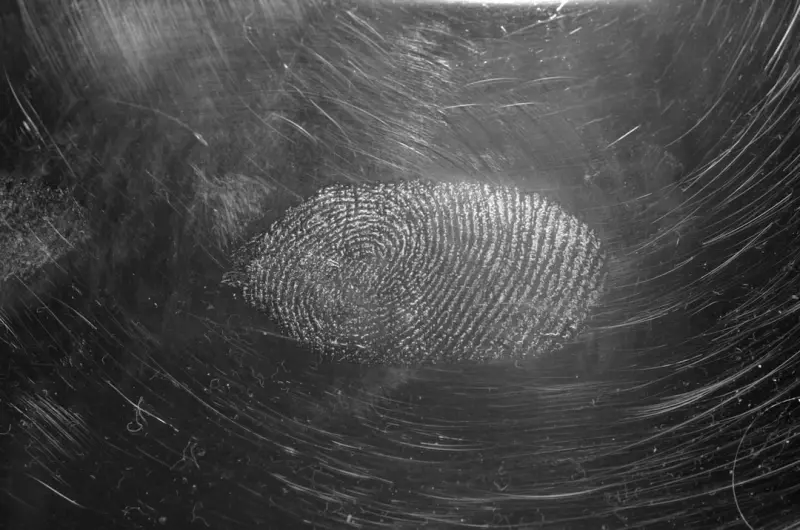
Why Biometric Spoofing Is the Next Frontier for Criminal Law
In the past decade, the promise of biometric authentication—fingerprints, facial recognition, voiceprints, and even retinal scans—has shifted from futuristic hype to everyday reality. Your phone unlocks with a swipe of a finger, airport security checks you with a glance, and banks verify you with the tone of your voice. Yet, as these technologies embed themselves deeper into personal and corporate security layers, a shadowy underworld has begun to weaponize them, creating a new class of crimes that traditional statutes struggle to address.
The Mechanics of a Biometric Spoof
Biometric spoofing is the art of presenting a fabricated or harvested biometric sample to a system that believes it is genuine. Unlike password theft, where the attacker merely needs a string of characters, spoofing demands a physical or digital replica of something inherently unique to a person. Common techniques include:
- Fingerprint molds: Using gelatin, silicone, or even 3‑D printed resin to create a lifelike copy of a fingerprint lifted from a glass surface or a touchscreen.
- Facial masks: High‑resolution 3‑D prints of a target’s visage, sometimes combined with infrared LEDs to fool liveness detection.
- Voice synthesis: Leveraging deep‑learning models to mimic a person’s vocal cadence, pitch, and timbre, often indistinguishable to automated voice‑recognition systems.
- Retinal projections: Projecting a captured retinal pattern onto a scanner using a low‑power laser, bypassing the need for an actual eye.
What makes these attacks especially dangerous is their ability to bypass “something you know” (a password) and directly compromise “something you are.” Once a biometric credential is compromised, the victim cannot simply change it the way they would reset a password.
Criminal Law Meets the Biometric Battlefield
Traditional criminal statutes—burglary, fraud, identity theft—were written for a world of physical keys and handwritten signatures. Biometric spoofing stretches those definitions in three critical ways:
- Identity Theft Redefined: The victim’s biometric data becomes a new kind of personal identifier, and its theft can lead to unauthorized bank withdrawals, illegal border crossings, or the creation of synthetic identities on dark‑web marketplaces.
- Enhanced Access Crimes: A stolen fingerprint can open a vault, a forged facial mask can gain entry to a secure facility, and a synthetic voice can approve high‑value transactions—all without any physical key or password.
- Jurisdictional Chaos: Biometric data travels across borders in milliseconds. A spoof created in one country can be used to breach a system hosted in another, raising complex questions about venue, extradition, and applicable law.
Current Legal Gaps and Emerging Statutes
Many jurisdictions have begun to recognize biometric data as “sensitive personal information,” but enforcement remains uneven. In the United States, for example, Illinois’ Biometric Information Privacy Act (BIPA) imposes strict consent and storage requirements, yet it focuses on corporate handling rather than criminal misuse. European GDPR treats biometric data as a “special category,” but the regulation primarily addresses data controllers, leaving the criminal dimension under‑explored.
Some regions have introduced targeted legislation:
- California’s Biometric Privacy Law (SB 1421) imposes civil penalties for unauthorized collection but does not criminalize spoofing per se.
- Australia’s Criminal Code Amendment (Biometric Offences) Act makes it a felony to “knowingly obtain, possess, or use” another person’s biometric data without consent, but the language is vague when applied to synthetic reproductions.
- India’s upcoming Biometric Data Protection Bill proposes both civil and criminal penalties, yet its definitions of “biometric spoof” remain under debate.
These piecemeal approaches highlight a critical need for a unified, technology‑aware criminal framework that can address both the act of creating a spoof and the subsequent misuse of that spoof.
Case Study: Voice‑Based Social Engineering Meets Synthetic Voice Scams
One of the most alarming trends is the convergence of social engineering and AI‑generated voice impersonation. Criminals harvest a target’s voice from publicly available recordings—podcasts, conference calls, or video interviews—and feed it into a deep‑learning model to produce a synthetic voice scam. The resulting audio can convincingly mimic a CEO’s command to transfer funds, a bank officer’s verification request, or a law enforcement official’s warning.
In a recent multi‑jurisdictional investigation, a criminal ring used synthetic voice clones to authorize wire transfers totaling tens of millions of dollars. The victims, believing they were speaking directly with senior executives, approved the transfers within minutes. The perpetrators then laundered the proceeds through a network of shell companies, making detection difficult until the pattern of voice‑based requests was flagged by a bank’s fraud analytics team.
This case underscores two pivotal legal challenges:
- The difficulty of proving “intent” when the victim’s consent is obtained through a convincing impersonation.
- The need for statutes that criminalize the creation and distribution of synthetic voice models used for fraudulent purposes.
Law Enforcement’s Toolkit: From Digital Forensics to Biometric Audits
Addressing biometric spoofing requires a multidisciplinary response. Traditional forensic methods—hash analysis, network traffic inspection—must be supplemented with specialized biometric audits:
- Live‑liveness testing: Modern scanners incorporate infrared, pulse detection, and micro‑movement analysis to differentiate a real finger from a mold.
- Cross‑modal verification: Requiring two independent biometric factors (e.g., fingerprint + voice) reduces the chance that a single spoof can succeed.
- Chain‑of‑custody documentation: Just as physical evidence is logged, biometric captures must be recorded with timestamps, device IDs, and environmental conditions to ensure admissibility in court.
Law enforcement agencies are also beginning to collaborate with private technology firms to develop “biometric threat intelligence” platforms. These platforms aggregate known spoofing techniques, share signature patterns, and provide real‑time alerts when a new method emerges.
Balancing Security and Privacy: The Role of privacy‑by‑design
While the criminal justice system grapples with prosecuting biometric fraud, product developers hold a front‑line responsibility. Embedding privacy‑by‑design principles into biometric systems can mitigate many attack vectors before they become crimes. Key practices include:
- Storing biometric templates in encrypted, non‑reversible formats (e.g., secure enclaves or hardware‑based Trusted Execution Environments).
- Implementing strict access controls and audit logs that record every read/write operation on biometric data.
- Providing users with transparent consent flows that explain how their biometrics will be used, stored, and protected.
- Regularly updating anti‑spoofing algorithms and conducting third‑party penetration testing focused on biometric modules.
When companies adopt these measures, they not only reduce the likelihood of a successful spoof but also position themselves as trustworthy custodians of personal data—an increasingly valuable market differentiator.
The International Dimension: Cross‑Border Investigations and Extradition
Biometric spoofing thrives on the global nature of the internet. A hacker in Southeast Asia can purchase a 3‑D‑printed facial mask from a marketplace hosted in Europe, then use it to breach a corporate office in North America. This transnational flow complicates law enforcement in three ways:
- Evidence collection: Digital evidence must meet the evidentiary standards of multiple jurisdictions, each with its own rules on admissibility and chain‑of‑custody.
- Legal assistance treaties (LATs): Extradition processes can be slow, especially when the alleged crime is not clearly defined under the requesting country's statutes.
- Mutual legal assistance: Coordinating between agencies—FBI, Europol, Interpol, and national cybercrime units—requires standardized protocols for sharing biometric data without violating privacy laws.
To navigate these hurdles, several countries have signed the International Biometric Crime Convention, which aims to harmonize definitions of biometric offenses and streamline cooperation. While still in its early adoption phase, the convention signals a growing recognition that biometric spoofing is a borderless threat demanding a borderless response.
Future Trends: From Spoof to Synthetic Identity
Looking ahead, biometric spoofing is likely to evolve into a broader phenomenon known as “synthetic identity fraud.” Here, criminals combine fabricated biometric data with stolen personal information to create entirely new legal personas. These synthetic identities can be used to open bank accounts, secure loans, or obtain government benefits, all while remaining invisible to traditional background checks.
Key drivers of this evolution include:
- Advances in generative AI that can create realistic facial textures, voice timbres, and even gait patterns.
- The proliferation of “identity‑as‑a‑service” platforms that sell pre‑verified biometric profiles on dark‑web forums.
- Weaknesses in identity verification ecosystems that still rely heavily on static documents (passports, driver’s licenses) rather than dynamic biometrics.
Regulators are beginning to anticipate these trends. The European Commission’s upcoming Digital Identity Regulation proposes mandatory multi‑factor verification that includes a biometric component, coupled with a central oversight authority to audit compliance. If enacted, such frameworks could make it significantly harder for synthetic identities to slip through the cracks.
Practical Guidance for Organizations
To protect themselves against the looming risk of biometric spoofing, organizations should adopt a layered defense strategy:
- Risk Assessment: Conduct a comprehensive audit of all biometric touchpoints—physical access points, mobile apps, online identity verification services—and assign risk scores based on data sensitivity.
- Technology Upgrade: Replace legacy scanners that lack anti‑spoofing capabilities with next‑generation devices that incorporate multi‑spectral imaging and AI‑driven liveness detection.
- Incident Response Plan: Develop a specific protocol for biometric breaches, including immediate revocation of compromised templates, forensic preservation of spoof artifacts, and notification to affected individuals.
- Employee Training: Educate staff on the signs of social‑engineering attacks that leverage synthetic voices or deep‑fake videos, emphasizing verification steps beyond biometric prompts.
- Legal Counsel Involvement: Engage with counsel familiar with emerging biometric statutes to ensure that policies, contracts, and consent forms are up‑to‑date.
By integrating these steps into their security roadmap, organizations not only reduce the risk of a successful spoof but also demonstrate a proactive stance that can be favorable in any subsequent litigation or regulatory review.
Conclusion: A Call to Action for the Criminal Justice System
Biometric spoofing is not a niche technical curiosity; it is a rapidly expanding frontier that challenges the very foundations of criminal law. As the line between the physical and digital continues to blur, lawmakers, prosecutors, and judges must adapt their tools—both legal and evidentiary—to keep pace. This adaptation includes drafting clear statutes that criminalize the creation and malicious use of biometric replicas, establishing cross‑border cooperation mechanisms, and ensuring that courts recognize biometric evidence as both reliable and admissible.
Simultaneously, technology providers must embed robust anti‑spoofing safeguards and adopt a privacy‑by‑design mindset from the earliest stages of product development. Only through a coordinated, multi‑stakeholder effort can society prevent the erosion of trust that biometric security promises to deliver.
In the end, the question is not whether biometric spoofing will happen—it already is—but how swiftly the legal system can recognize, define, and punish it. The stakes are high: personal freedom, corporate integrity, and national security all hinge on our collective ability to stay ahead of the spoof.

Liam James Professor with a PHD. & content creator with a passion for sparking curiosity and sharing knowledge. Driven by the joy of learning and storytelling, I bring ideas to life in every project. Always exploring, always teaching.
Related Posts
Navigating Criminal Law in 2026: Tech, Ethics, and the Human Story
A deep dive into 2026’s criminal law trends—AI, autonomous cars, cybercrime—and strategies for... Read More

When Pixels Turn Dangerous: The Criminal Law Response to Online Harassment
A deep dive into the evolving criminal legal landscape confronting online harassment, from cyberstal... Read More
Crypto Crime Surge: How Prosecutors Are Keeping Pace
Cryptocurrency’s anonymity and speed have turned it into a hotspot for criminal activity. This art... Read More
Top Posts

Charting the Grey Zone: How Companies Can Stay Ahead of Shifting Employee Classification Rules
A deep dive into the latest trends, case law, and practical steps for businesses to navigate employee classification, ensuring compliance and reducing legal ris...Read More
Why SaaS Leaders Must Rethink Their Cyber Insurance Policies
Cyber‑insurance isn’t a set‑and‑forget solution for SaaS companies. This post uncovers hidden exclusions, regulatory overlaps, and practical steps to en...Read More

When Feature Flags Turn Into a Minefield: Surviving Dangerous Deployments
Feature flags promise agility but can become a dangerous operation if unchecked. This guide explores the hidden risks, real‑world failures, and practical gove...Read More

Climate‑Driven Business Interruption: Legal Strategies for Modern Insurers
A seasoned insurance lawyer dissects the surge of climate‑driven business interruption claims, offering practical steps, regulatory insights, and forward‑lo...Read More
0 Comments
Post Comment
You will need to Login or Register to comment on this post!