
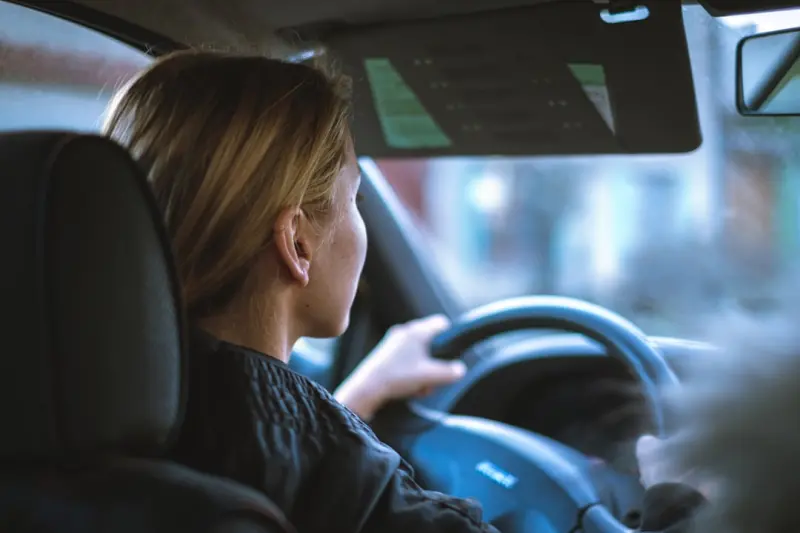
Impaired driving isn’t a new problem, but the ecosystem that surrounds it is evolving at breakneck speed. As someone who has spent years watching the legal pendulum swing between personal responsibility and corporate liability, I’m increasingly convinced that the conversation needs to move beyond “who was drunk?” to “who is accountable when the vehicle, the platform, and the data all intersect?” In today’s ride‑share era, the stakes are higher, the players are more numerous, and the legal frameworks are still scrambling to keep up.
From the Open Road to the App‑Enabled Ride
When I first started writing about traffic safety, the focus was clear: individuals behind the wheel. Fast forward a decade, and the majority of city commuters have never owned a car. They summon rides with a tap, trust an algorithm to match them with a driver, and expect a seamless experience from pickup to drop‑off. This shift has fundamentally altered the risk calculus. If a driver is intoxicated, is it solely their fault, or does the platform share responsibility for vetting, monitoring, and, crucially, intervening?
The answer isn’t black and white. Courts are beginning to treat ride‑share companies as “joint tortfeasors” when they fail to implement reasonable safeguards. Yet the standards for “reasonable” remain fluid. Some jurisdictions have already held platforms liable for negligent hiring or supervision, while others still view them as neutral intermediaries. This split creates a legal patchwork that both drivers and passengers must navigate, often without a clear map.
The Data Dilemma: How Much Is Too Much?
Every ride generates a digital breadcrumb trail: GPS coordinates, speed logs, ambient noise recordings, and, increasingly, biometric data from driver‑monitoring systems. The promise is alluring—real‑time alerts if a driver shows signs of impairment could save lives. The reality, however, is tangled in privacy concerns, data‑ownership disputes, and the technical reliability of detection algorithms.
Consider a scenario where a driver’s wearable sensor flags a blood‑alcohol level that exceeds the legal limit. The platform receives the signal, but the driver disputes the reading, citing a faulty device. Who bears the burden of proof? The driver, the platform, or the device manufacturer? Until we establish clear evidentiary standards, these gray zones will fuel litigation and erode public trust.
Insurance in the Age of Impaired Ride‑Sharing
Traditional auto insurance policies were designed around a single, identifiable owner. Ride‑share platforms introduced a layered model: the driver’s personal policy, a commercial policy covering the platform, and sometimes a “gap” policy for riders. When impairment enters the equation, insurers must decide which layer activates and to what extent.
Many insurers are now offering “impairment endorsement” riders—add‑ons that increase coverage limits if a driver tests positive for alcohol or drugs. These endorsements, however, come with higher premiums, which can cascade down to drivers already operating on thin margins. The result is a delicate balancing act: incentivize safe behavior without pricing drivers out of the market.
Technological Safeguards: Promise and Peril
Emerging technologies promise to be the great equalizer in the fight against impaired driving. From ignition interlock systems that require a breath sample before the car starts, to AI‑driven camera systems that monitor eye movement and facial cues, the toolbox is expanding. Yet each solution carries its own set of challenges.
Take the example of camera‑based detection. While studies show high accuracy in controlled environments, real‑world conditions—glare, low light, or driver accessories like sunglasses—can degrade performance. Moreover, there’s a slippery slope from safety monitoring to invasive surveillance, raising ethical questions about driver autonomy.
Another promising avenue is the automotive liability landscape shaped by over‑the‑air updates. Imagine a vehicle that can receive a software patch to tighten its impairment detection algorithm the moment a new vulnerability is discovered. While technically feasible, the legal question remains: who is liable if the update fails to prevent an accident?
The Human Factor: Training, Culture, and Accountability
Technology can only go so far without a cultural shift within ride‑share companies. Drivers often face pressure to accept rides quickly to maximize earnings, which can tempt them to cut corners on self‑assessment. Platforms need robust training programs that emphasize not just compliance, but personal responsibility.
Peer‑support networks have shown promise. Some companies have introduced “driver wellness ambassadors”—experienced drivers who mentor newcomers on safe practices, including managing alcohol consumption. By fostering a community that values sobriety, platforms can create a self‑reinforcing safety loop that technology alone cannot achieve.
Legal Precedents and Emerging Jurisprudence
Recent case law illustrates the evolving judicial mindset. In one landmark decision, a state supreme court held that a ride‑share platform could be held liable for a driver’s DUI because the company provided the vehicle, the navigation system, and the payment infrastructure—all integral components of the “driving experience.” This ruling underscores that courts are increasingly viewing the platform as more than a passive conduit.
Conversely, another jurisdiction upheld a platform’s immunity, citing the “independent contractor” doctrine. The divergence highlights the urgency for legislative bodies to step in and clarify the duties of ride‑share companies regarding impaired driving.
Policy Recommendations: Bridging the Gap
To navigate this complex terrain, I propose a three‑pronged policy framework:
- Standardized Impairment Screening: Mandate that all ride‑share vehicles be equipped with calibrated, tamper‑proof impairment detection systems, with regular third‑party audits.
- Data Transparency and Governance: Require platforms to disclose how impairment data is collected, stored, and used, ensuring that drivers retain rights to contest false positives.
- Insurance Incentives Aligned with Safety: Offer premium discounts to drivers who consistently demonstrate sobriety, verified through platform‑integrated monitoring tools.
These measures aim to align incentives across drivers, platforms, insurers, and regulators, creating a cohesive safety net that addresses the root causes of impaired driving rather than merely its symptoms.
Beyond Cars: The e‑scooter impairment cases Frontier
Impaired driving isn’t confined to four‑wheeled vehicles. The surge of micro‑mobility options—e‑scooters, electric bikes, and even shared skateboards—has introduced a new class of impairment incidents. Riders often treat these devices as “toys,” neglecting the same responsibilities they would apply to a car.
Legal scholars are now dissecting whether existing traffic statutes apply to e‑scooter riders, and whether platforms must enforce sobriety checks before unlocking a device. Some cities have experimented with “sobriety locks” that require a breathalyzer test before a scooter can be activated. While innovative, such measures raise questions about feasibility, user adoption, and equity, especially for low‑income riders who may lack access to the required technology.
The Road Ahead: A Call for Collaborative Innovation
Impaired driving will remain a pressing public safety issue as long as alcohol and drugs coexist with personal mobility. The ride‑share model, while transformative, adds layers of complexity that demand coordinated action. Legal scholars, tech innovators, insurers, and policymakers must move from reactive litigation to proactive collaboration.
Imagine a future where a driver’s mobile app syncs with the platform’s safety dashboard, instantly flagging any impairment and offering alternative transport options—like a designated driver service—before the ride even begins. In that world, liability isn’t a courtroom drama; it’s a shared, preventative ecosystem that protects everyone on the road.
Conclusion: Re‑Defining Responsibility in the Digital Age
We stand at a crossroads where the old paradigm of “driver‑only responsibility” collides with the modern reality of platform‑mediated mobility. By embracing technology responsibly, redefining insurance structures, and enacting clear legal standards, we can transform impaired driving from a tragic inevitability into a preventable incident.
My hope is that, as we continue to write the rules for this brave new world, we keep the human element front and center. After all, data can flag a problem, but only a culture of accountability can ensure that the flag leads to meaningful change.

Related Posts

How Real-Time Telemetry Can Cut Impaired Driving Risks for Fleets
A deep dive into using real‑time telemetry, biometric sensors, and proactive response loops to pre... Read More
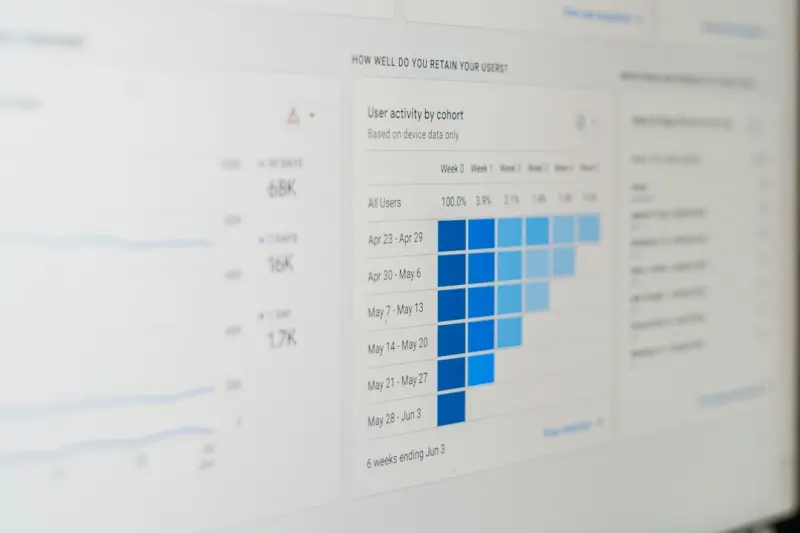
Predictive Fleet Management: Turning Data Into a Shield Against Impaired Driving
A deep dive into how modern fleet‑management platforms use real‑time data, AI, and human‑cente... Read More
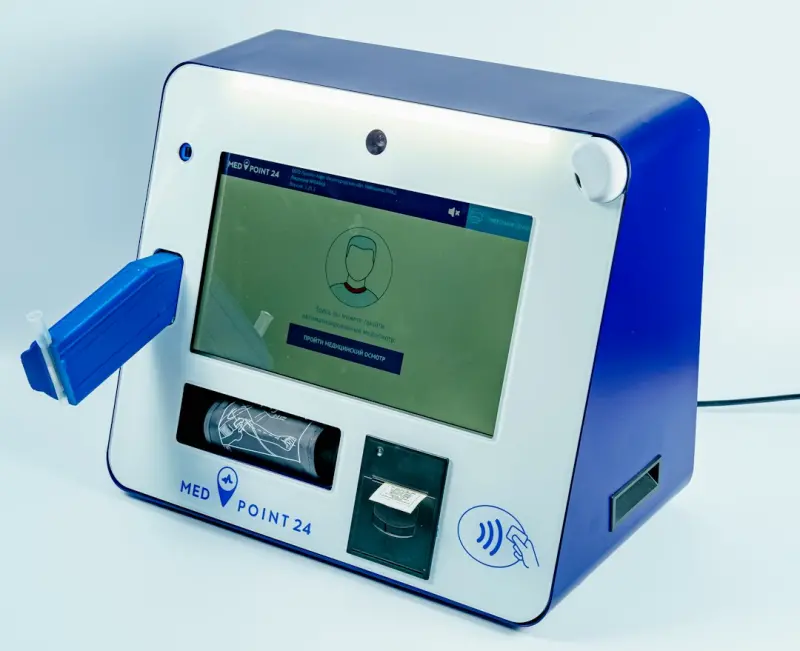
Beyond the Breathalyzer: A Systems Approach to Reducing Impaired Driving
Impaired driving demands a multi‑layered strategy that blends AI sensors, transparent data governa... Read More
Top Posts

Remote Notarization: How Virtual Witnesses Are Redefining Legal Authenticity
A deep dive into remote notarization, covering its legal foundations, tech security, privacy concerns, and future blockchain prospects, offering practical steps...Read More

Ransomware and Digital Extortion: How Criminal Law Is Evolving to Fight the New Threat
Ransomware has become an organized crime epidemic. This article examines the evolving criminal statutes, prosecution challenges, and proactive defenses needed t...Read More
What Every Driver Needs to Know About the Latest Automotive Law Shifts
A deep dive into the evolving world of automotive law, covering electric vehicle incentives, autonomous car liability, recall rights, and practical steps for dr...Read More

Rolling Into the Legal Fast Lane: Decoding E‑Scooter Injuries
E‑scooter accidents raise unique legal questions. This article breaks down who can be sued, how to gather critical evidence, and practical steps for riders, o...Read More
0 Comments
Post Comment
You will need to Login or Register to comment on this post!