
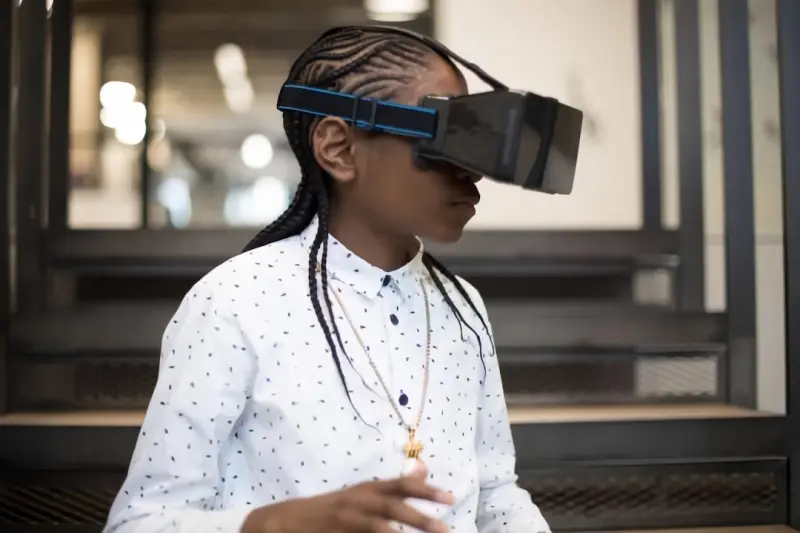
Imagine walking down a pixel‑perfect aisle, the sun setting over a rendered beachfront, your guests appearing as avatars from Tokyo, Nairobi, and a suburb of Detroit—all while you sit in your living room in pajamas. It’s no longer a sci‑fi fantasy; virtual weddings are happening today, and they’re forcing lawmakers to re‑examine the very foundations of marriage law. As someone who’s watched the legal landscape evolve from smart contracts to AI‑generated testimony, I’m fascinated by how vows spoken in a metaverse can (or can’t) be recognized by the state.
What Exactly Is a “Virtual Wedding”?
A virtual wedding can take many forms. Some couples host a livestreamed ceremony on Zoom and sign a digital document. Others dive deeper, using platforms like Decentraland, Roblox, or the newer immersive environments where you can purchase virtual land, design a custom venue, and even have an NFT‑based marriage certificate. The common denominator is that the ceremony takes place in a digital space, often with participants represented by avatars, and the legal paperwork is either uploaded, e‑signed, or recorded on a blockchain.
While the romance is undeniable, the legal questions are anything but trivial. Does the state recognize a marriage performed entirely online? Who can serve as an officiant when the officiant themselves is an AI‑driven avatar? And how do we prove consent when the participants are represented by digital identities?
The Current Legal Framework: A Patchwork of State and Federal Rules
In the United States, marriage is primarily governed by state law. Each state defines what constitutes a valid marriage—usually a combination of a license, an officiant, and mutual consent. The rise of virtual weddings has exposed gaps in these statutes. Some states have modernized their statutes to accept electronic signatures for marriage licenses, while others remain bound to in‑person ceremonies. A few jurisdictions, like Utah, have experimented with remote officiants via video, but even those rules often require the couple to be physically present in the state at the time of the ceremony.
Internationally, the situation is even more fragmented. Countries that recognize civil unions via online platforms (e.g., Estonia’s e‑Residency program for business) have not yet extended that flexibility to marriage. In many places, a physical presence—at least for a moment—remains a statutory requirement.
Digital Signatures, Blockchain, and the Quest for “Legal Proof”
One of the most promising solutions lies in blockchain technology. By recording a marriage certificate as an immutable token, couples can create a timestamped proof of marriage that is difficult to dispute. This approach mirrors the concept of AI as courtroom witnesses—the idea that technology can generate reliable evidence, provided the underlying system is trustworthy.
However, the law still asks: does a blockchain‑recorded certificate satisfy the “official” marriage license? Courts have been hesitant to accept such records without an accompanying civil document. In the few cases that have reached the bench, judges have required that the digital token be linked to a state‑issued license, effectively treating the blockchain entry as supplementary evidence rather than the primary legal instrument.
Officiants in the Metaverse: Human, AI, or Both?
Most statutes require that an officiant be a recognized religious figure, judge, or authorized individual. In a virtual ceremony, the officiant could be a real person streaming from a different location, but there’s a growing trend of using AI avatars to conduct the ceremony. While innovative, this raises immediate red flags. The law currently has no language that accommodates an artificial officiant, and the question of “authority” becomes murky.
Some jurisdictions are beginning to address this by allowing a “remote officiant” who must still be a human, verified through a video link with real‑time interaction. The presence of AI is permissible only as a visual aid, not as the legal authority. Until legislatures catch up, couples should ensure a human officiant is legally recognized, even if the ceremony’s visual elements are entirely synthetic.
Consent and Capacity: Proving the “I Do” in a Digital World
Mutual consent is the cornerstone of any marriage. In a virtual setting, the question of capacity can become complicated, especially when avatars mask a person’s identity or when deepfake technology is employed. This is where the lessons from social media’s impact on marriage law become relevant: the same platforms that enable virtual celebrations also provide evidence trails.
Video recordings, chat logs, and even blockchain timestamps can help demonstrate that both parties willingly entered the marriage. However, the admissibility of such evidence varies. Courts may require notarized statements, or a live video of the ceremony, to verify that the individuals behind the avatars are indeed the parties to the marriage.
Cross‑Border Complications: When the Metaverse Meets Immigration Law
Couples often view virtual weddings as a way to sidestep travel restrictions or to unite families spread across continents. Yet, a marriage recognized in one jurisdiction may not be recognized by immigration authorities in another. For instance, a couple who marries virtually in a state that accepts remote ceremonies might still face hurdles obtaining a spousal visa if the destination country mandates an in‑person ceremony.
Legal practitioners are advising clients to obtain a “dual ceremony”—a virtual celebration for friends and family, followed by a brief, legally required in‑person ceremony to satisfy immigration and state statutes. This dual approach ensures emotional fulfillment without compromising legal standing.
Privacy, Data Security, and the “Digital Afterlife” of Your Marriage
When you host a ceremony on a platform that stores avatars, recordings, and even biometric data, you are entrusting intimate moments to third‑party servers. The recent analysis of digital afterlife of divorce highlighted how data can become a point of contention long after a marriage ends. In virtual weddings, that data includes the very proof of the marriage itself.
Couples should inquire about data retention policies, the ability to delete or export records, and how the platform handles potential breaches. Including these considerations in a prenup or post‑nuptial agreement can safeguard against future disputes over digital assets and personal data.
Future Trends: From Augmented Reality Vows to Smart‑Contract Marriages
Looking ahead, we can expect several developments that will reshape the marriage‑law landscape:
- Augmented reality (AR) officiants: Real‑world clergy using AR glasses to appear in a virtual venue, blending physical authority with digital immersion.
- Smart‑contract marriages: Contracts that automatically trigger financial arrangements (e.g., joint account creation) upon successful verification of the marriage certificate on a blockchain.
- AI‑mediated counseling: Virtual therapists that assess the emotional readiness of partners before the ceremony, potentially becoming a statutory requirement for “informed consent.”
These innovations will likely prompt legislatures to codify new definitions—what constitutes a “public venue,” who qualifies as an “officiant,” and how digital signatures are validated.
A Practical Checklist for Couples Planning a Virtual Wedding
- Verify jurisdictional requirements: Check whether your state (or country) accepts remote officiants and electronic signatures.
- Secure a legally recognized officiant: Even if an AI avatar presents the ceremony, a human must hold the legal authority.
- Choose a platform with robust data policies: Ensure you can retain, export, or delete recordings as needed.
- Document consent: Record video, maintain chat logs, and consider notarizing a digital statement.
- Consider a backup in‑person ceremony: If immigration or future legal challenges arise, a brief physical ceremony can provide a safety net.
- Integrate the marriage into smart contracts cautiously: Use reputable blockchain services and retain a traditional license for court recognition.
Conclusion: Love in the Age of Bytes
Virtual weddings are more than a novelty; they’re a glimpse into how technology can transform one of humanity’s oldest institutions. While the romance of a pixel‑perfect ceremony is intoxicating, couples must navigate a complex legal maze to ensure their vows hold weight beyond the screen.
The law is slowly catching up, but until statutes explicitly recognize metaverse marriages, the safest route combines digital flair with the tried‑and‑true rituals of the physical world. As we continue to blur the lines between reality and virtuality, the legal system’s challenge will be to protect the sanctity of marriage without stifling innovation. For now, keep your avatars polished, your contracts notarized, and your love—whether streamed or streamed in person—fully consensual.

Kris Kennel is a Paralegal outside of Austin, Texas where he spends most of his time helping users with legal matters that concern them. When he is not working he enjoys time with his wife and kids.
Related Posts

When Love Meets Code: Crafting Marriage Contracts for the Digital Era
Modern couples face unique legal challenges as they share SaaS subscriptions, intellectual property,... Read More
Navigating Marriage Law in the Digital Age: A Practitioner’s Insight
A seasoned family law attorney reveals how tech—from crypto wallets to AI analytics—transforms m... Read More
The Rise of Smart Prenuptial Agreements: Tech Meets Marriage Law
A deep dive into the emerging trend of digital prenuptial agreements, examining legal implications, ... Read More
Top Posts
When Screens Become Custody Courts: Managing Social Media in Family Law
Social media can make or break a custody case. This article explains how online posts become courtroom evidence, offers practical steps for parents, and highlig...Read More

Navigating Child Custody with Compassion and Modern Tools
Explore how empathy, technology, and flexible agreements transform child custody from conflict to collaboration, ensuring a healthier future for children....Read More
The Hidden Legal Pitfalls of Autonomous Ride‑Sharing Fleets
A deep dive into how autonomous ride‑sharing fleets are reshaping liability, privacy, and insurance law, and what businesses can do to stay ahead....Read More
Future‑Proof Parenting Plans for Remote‑Work Families
Remote work reshapes family life. Discover practical legal steps to design a parenting plan that adapts to home‑office schedules, safeguards finances, and sec...Read More
0 Comments
Post Comment
You will need to Login or Register to comment on this post!