
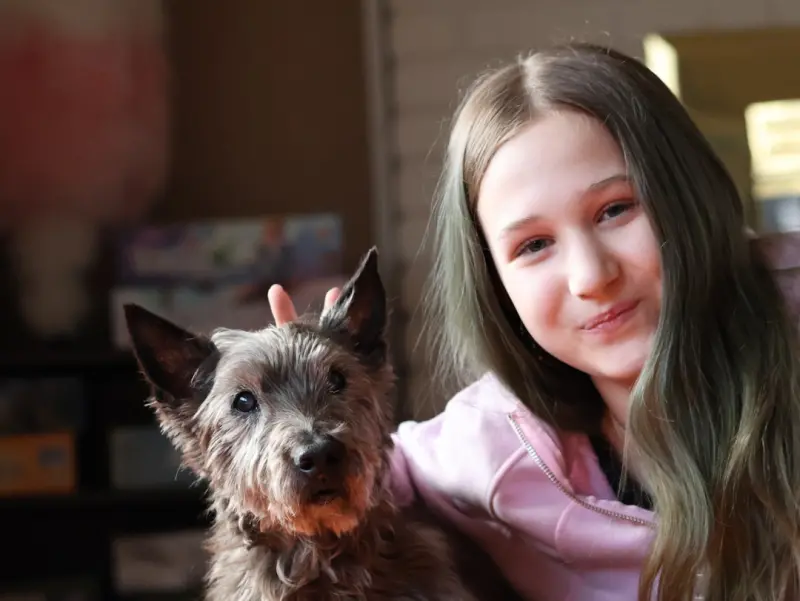
When we talk about estate planning, the conversation often circles around assets, taxes, and the inevitable “who gets what.” Yet, for many of us, the most cherished part of our legacy isn’t a bank account or a piece of real estate—it’s the loyal companion that has been by our side through thick and thin. A pet trust can turn that emotional bond into a concrete legal arrangement, guaranteeing that your furry, feathered, or scaled family member receives the care you envision, even when you’re no longer there to provide it.
What Exactly Is a Pet Trust?
A pet trust is a legally binding arrangement that sets aside assets—cash, property, or even life‑insurance proceeds—to fund the care of one or more designated animals. Unlike a simple bequest in a will, a pet trust creates a separate fiduciary relationship: a trustee is appointed to manage the trust assets, and a caretaker (often a family member or professional pet‑sitting service) is named to provide day‑to‑day care. The trustee’s duty is to disburse funds according to the grantor’s instructions, ensuring that the pet’s needs are met for the remainder of its natural life.
Because the trust is a distinct legal entity, it can survive the grantor’s death, avoid probate, and even protect the assets from creditors—an important consideration for those who want to keep the funds strictly for the pet’s benefit.
Why Pet Trusts Matter More Than Ever
Recent surveys reveal that more than 60 % of households in the United States own a pet, and that number is climbing. Alongside this rise in pet ownership, there’s a cultural shift: pets are increasingly viewed as family members rather than property. This change is reflected in the growing number of states that have enacted statutes specifically recognizing pet trusts, offering clear guidelines on how they should be structured and enforced.
In addition, the modern estate planner faces a landscape where privacy‑first approaches are reshaping how personal data is handled. While privacy concerns may seem distant from a pet trust, the underlying principle—protecting sensitive information—mirrors the desire to keep your pet’s welfare instructions confidential and secure.
Key Elements of a Robust Pet Trust
- Clearly Identified Beneficiary(ies): Specify the pet(s) by name, breed, and any distinguishing characteristics. If you have multiple pets, you can allocate separate portions of the trust to each.
- Designated Trustee: Choose someone you trust to manage the funds responsibly. This could be a family member, a close friend, or a professional fiduciary.
- Appointed Caretaker: The caretaker is the person who will directly care for the pet. You can name a primary caretaker and one or more alternates.
- Funding Mechanism: The trust can be funded with a lump‑sum cash deposit, life‑insurance proceeds, or even a combination of assets. It’s essential to calculate realistic costs for food, veterinary care, grooming, and unexpected emergencies.
- Disbursement Schedule: Outline how and when funds should be released—monthly allowances, reimbursements for vet bills, or lump‑sum payments for major expenses.
- Residual Clause: Decide what happens to any remaining assets after the pet’s death. Options include donating to an animal charity, returning funds to the grantor’s estate, or supporting other pets.
Calculating the Right Funding Amount
One of the most common missteps is underfunding the trust. While a dog’s annual cost might average $1,500, this figure can balloon with chronic health issues, specialized diets, or end‑of‑life care. A practical approach is to:
- Estimate the pet’s life expectancy based on breed and health history.
- Project annual costs, adding a 10‑15 % buffer for inflation and unforeseen medical expenses.
- Multiply the annual estimate by the projected remaining years, then add a contingency fund of 20 %.
For example, a 7‑year‑old Labrador with an expected lifespan of 12 years might need 5 years of care. If the estimated annual cost is $2,000, the base funding would be $10,000. Adding a 20 % contingency brings the total to $12,000.
Legal Nuances Across State Lines
Pet trust statutes vary widely. Some states, like California and Florida, have well‑developed frameworks, while others may have limited or no explicit provisions. When drafting a pet trust, it’s crucial to:
- Reference the specific statutes of the state where the trust will be administered.
- Consider a “choice of law” clause if you own property in multiple states.
- Consult local counsel to ensure compliance with any unique filing requirements or tax implications.
Integrating Pet Trusts with Your Overall Estate Plan
Think of a pet trust as a complementary piece of the estate planning puzzle. It should align with your will, powers of attorney, and healthcare directives. Here’s how to weave it in seamlessly:
- Coordinate Beneficiary Designations: If you have a family member who also loves your pet, you might name them as both caretaker and secondary trustee, fostering continuity.
- Address Tax Implications: While the trust’s assets are generally exempt from estate tax if properly structured, the grantor’s estate may still owe taxes on the transferred property. A qualified tax advisor can help minimize exposure.
- Update Regularly: Life changes—new pets, relocation, or changes in health—should trigger a review of the trust to keep it current.
Smart‑Contract Pet Insurance: A Modern Twist
Technology is creeping into every corner of legal practice, and pet trusts are no exception. Smart‑contract pet insurance platforms are emerging, allowing owners to automate claim payouts when specific conditions are met—think automatic reimbursement for a vet visit after a blockchain‑verified diagnosis.
While still in its infancy, this innovation offers several advantages:
- Transparency: All terms are coded into an immutable ledger, reducing disputes over coverage.
- Efficiency: Claims are processed instantly, ensuring that funds are available when the pet needs them most.
- Integration: Smart contracts can be linked directly to a pet trust’s trustee account, creating a seamless flow of resources.
As with any emerging technology, it’s essential to conduct thorough due diligence, ensuring that the platform complies with state insurance regulations and that the smart contract’s code accurately reflects your intentions.
Case Study: The Johnson Family’s Pet Trust Success
Consider the Johnsons, a suburban family with two dogs, a rescue terrier named Bella and a golden retriever named Max. When the patriarch, Mark, decided to set up a pet trust, he followed a structured process:
- He consulted an estate attorney familiar with his state’s pet trust statutes.
- Mark calculated a funding need of $15,000, accounting for Bella’s chronic kidney condition and Max’s upcoming senior care.
- He appointed his sister, Laura, as trustee, and his longtime neighbor, Mrs. Patel, as caretaker, with a backup caretaker named in the trust.
- To cover unexpected veterinary emergencies, Mark purchased a smart‑contract pet insurance policy that automatically transferred funds to Laura’s trustee account upon approval of a claim.
- Finally, Mark added a residual clause directing any remaining assets to a local animal shelter after both dogs passed.
When Mark passed away, the trust entered into action without a hitch. Laura managed disbursements, Mrs. Patel provided day‑to‑day care, and the smart contract ensured that a sudden surgery for Bella was covered within hours. The Johnsons’ experience illustrates how meticulous planning can preserve both the emotional and financial well‑being of beloved pets.
Common Pitfalls and How to Avoid Them
- Insufficient Funding: Underestimating costs can leave the pet without adequate care. Use a conservative budgeting approach.
- Lack of Clear Instructions: Vague language leads to disputes. Be explicit about care standards, feeding schedules, and medical preferences.
- Choosing the Wrong Trustee: The trustee must be financially savvy and trustworthy. A conflict of interest can jeopardize the trust’s purpose.
- Ignoring State Limitations: Some states cap the duration of pet trusts. Ensure the trust’s term aligns with the pet’s expected lifespan.
- Failing to Update: Life changes demand updates. Review the trust annually or after major events.
Future Trends: From Traditional Trusts to Digital Guardianship
While pet trusts have been around for decades, the next frontier lies at the intersection of law, technology, and animal welfare. Expect to see:
- Digital Identity for Pets: Microchip‑linked profiles storing medical histories, preferences, and even trust instructions.
- AI‑Driven Care Plans: Algorithms that predict health risks and suggest preventive measures, feeding directly into trust funding models.
- Blockchain‑Based Trust Administration: Decentralized platforms that record all trustee actions, ensuring transparency and auditability.
These innovations will not replace the human element—your love and personal decisions—but they will augment the reliability and efficiency of pet trusts, making sure that your companion’s future is as secure as possible.
Getting Started: A Checklist for Pet Trust Creation
- Identify the pet(s) and gather detailed information.
- Determine the estimated duration of care and calculate a realistic budget.
- Select a qualified trustee and caretaker, with alternates named.
- Draft the trust document, incorporating state‑specific statutory language.
- Fund the trust using cash, life‑insurance proceeds, or other assets.
- Consider supplemental smart‑contract insurance for rapid claim handling.
- Integrate the pet trust into your broader estate plan, updating all related documents.
- Review and adjust the trust annually or after any major life change.
By following this roadmap, you can transform the abstract notion of “caring for my pet after I’m gone” into a concrete, enforceable plan that honors the deep bond you share with your animal companion.
In the end, a pet trust is more than a legal instrument; it’s a testament to the responsibility and love that defines the modern family unit—human and animal alike.

Steven McClurry is a freelance writer. He loves to write controversial topics and on a wide rang of topics. When is not online he is hanging out at his college campus or playing online games.
Related Posts

Purpose‑Driven Trusts: Embedding Mission and Impact into Modern Estate Planning
Purpose‑driven trusts fuse fiduciary discipline with mission‑centric goals, offering families a ... Read More

Why Modern Families Need Trusts Beyond the Traditional Playbook
Explore fresh trust approaches that go beyond probate, integrating digital wealth, tax planning, and... Read More

Dynamic Trusts for the Digital Age: Protecting Modern Wealth Across Generations
A dynamic trust is the new strategic tool for today’s wealth owners, offering flexible structures ... Read More
Top Posts

Navigating Child Custody: A Fresh Blueprint for Cooperative Parenting
A fresh look at child custody that shifts the focus from courtroom battles to collaborative parenting, offering practical tools and strategies for lasting peace...Read More

When Your Smart Speaker Listens: Privacy Law in the Age of Voice Assistants
Smart speakers are silent listeners. Discover the hidden privacy risks of voice assistants, the laws shaping their use, and practical tips for safeguarding your...Read More

Telemedicine Liability in the Age of AI: A Fresh Legal Playbook
A deep dive into the unique malpractice, licensing, and data‑security risks of AI‑powered telehealth, offering actionable insights for clinicians navigating...Read More

Redefining Marriage Law in 2026: Tech, Narrative, and the Human Touch
In 2026, marriage law merges technology and storytelling, offering couples smarter contracts, privacy safeguards, and collaborative dispute resolution for a mor...Read More
0 Comments
Post Comment
You will need to Login or Register to comment on this post!