

Why Voice Assistants Are the New Privacy Frontier
Every morning, a soft chime greets us as we ask our smart speaker for the weather, the news, or a quick recipe, but behind that convenience lies a sprawling network of microphones that are constantly listening, cataloguing, and analyzing our every utterance. Consumers rarely realize that each spoken request generates a data trail that can be stitched together with location, purchasing history, and even biometric voiceprints, creating a detailed portrait of who they are and what they do. This invisible data harvesting has transformed ordinary households into de‑facto surveillance zones, prompting privacy advocates to question whether existing legal safeguards are adequate for the era of always‑on assistants.
The Patchwork of Existing Privacy Statutes
In the United States, privacy law resembles a jigsaw puzzle of sector‑specific rules—California’s CCPA, Virginia’s CDPA, and Illinois’s BIPA—each addressing a slice of the problem but rarely speaking to the full lifecycle of voice data. Across the Atlantic, the GDPR imposes strict consent and data‑minimization obligations, yet enforcement against tech giants for voice‑capture violations remains sporadic. Meanwhile, emerging state bills aim to treat voice recordings as “sensitive personal information,” demanding explicit opt‑in, transparent retention policies, and robust breach‑notification protocols, signaling a slow but deliberate shift toward comprehensive protection.
Consent Isn’t Just a Checkbox
Most manufacturers embed consent within lengthy terms of service, assuming that users will scroll through legalese and click “Agree” before their first “Hey, Alexa.” In practice, this “implied consent” model sidesteps the spirit of informed permission, allowing companies to process voice snippets even when no wake word is detected. Courts are beginning to scrutinize these practices, interpreting silence or passive acceptance as insufficient under the “meaningful consent” standard, especially when the data in question can be used to infer health conditions, political views, or other sensitive attributes.
Voiceprints as Biometric Data
Beyond the words spoken, the unique acoustic patterns of a voice—its pitch, cadence, and timbre—constitute biometric identifiers that can be stored, compared, and even sold to third parties for authentication or advertising. Illinois’s Biometric Information Privacy Act (BIPA) has already forced companies to obtain written consent before collecting fingerprints or facial scans; courts are now extending BIPA’s reach to voiceprints, arguing they fall squarely within the statute’s definition of “biometric identifiers.”
- Explicit written consent before voiceprint collection.
- Clear disclosure of retention periods and secondary uses.
- Right to request deletion of stored voice biometrics.
These emerging requirements illustrate how biometric privacy law is beginning to intersect with the everyday functionality of voice assistants, creating a new compliance frontier for device makers.
Cross‑Border Data Flows and Digital Risk
When a voice command is processed, the audio clip often travels to cloud servers located in multiple jurisdictions, subjecting it to a maze of international data‑transfer rules. Companies must now navigate the “digital risk landscape” outlined in Navigating the New Frontier of Insurance Law: From Climate Perils to Digital Risks, ensuring that cross‑border transfers comply with GDPR adequacy decisions, Standard Contractual Clauses, or emerging data‑localization statutes. Failure to honor these frameworks can trigger hefty fines, class‑action lawsuits, and reputational damage, especially as regulators worldwide tighten the screws on trans‑national data pipelines.
Synthetic Audio, Deepfakes, and Legal Lag
Advances in AI-generated speech have made it possible to fabricate convincing audio clips that can be weaponized for fraud, defamation, or political manipulation. While the Deepfake Dilemmas piece highlighted visual deepfakes, the same legal vacuum applies to synthetic audio, leaving victims with limited recourse. Legislators are now drafting statutes that criminalize the malicious distribution of fabricated voice recordings, but enforcement remains a challenge given the speed at which AI tools can generate and disseminate content.
Jurisdictional Minefields in Privacy Enforcement
The global reach of voice assistants means that a single utterance can fall under the jurisdiction of multiple states, provinces, or countries, each with its own privacy regime. This creates a “jurisdictional minefield” reminiscent of the issues discussed in Remote Work, Non‑Competes, and the New Jurisdictional Minefield, where businesses must navigate overlapping legal obligations. Companies are increasingly adopting “privacy by design” architectures that segment data processing by region, but doing so raises operational costs and technical complexity, prompting a strategic debate about whether to limit voice‑assistant features in high‑risk markets.
Practical Steps for Consumers and Companies
For everyday users, the most effective defense is proactive: mute microphones when not in use, regularly review privacy dashboards, and delete voice histories from device settings. Companies, on the other hand, should implement transparent consent flows, adopt end‑to‑end encryption for audio streams, and conduct periodic privacy impact assessments that specifically address voice data. By aligning product design with emerging statutes and fostering a culture of informed consent, the industry can transform voice assistants from privacy liabilities into trusted, privacy‑respectful companions.

I am Madden Persons, a content writer and digital influencer dedicated to crafting impactful stories and building authentic online connections. With a strategic approach to content creation, I develop engaging articles, digital campaigns, and social media narratives that help brands elevate their online presence and connect meaningfully with their target audiences.
Passionate about modern digital trends and audience engagement, I specialize in translating complex ideas into compelling content that sparks conversation, drives results, and strengthens brand identity.
Related Posts

Privacy‑by‑Design Playbook for SaaS: Turning Legal Obligations Into Competitive Edge
A practical guide for SaaS leaders that maps privacy law requirements to product development, coveri... Read More
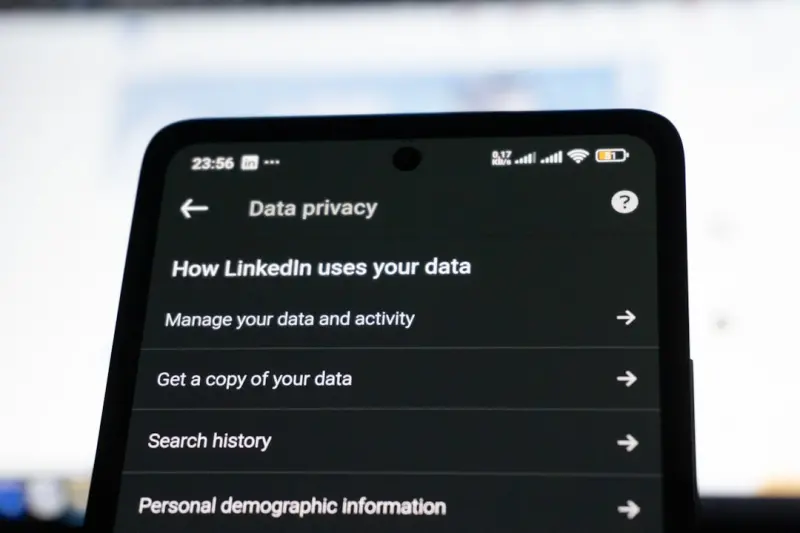
Data Fiduciaries: The Next Frontier in Privacy Law
The article examines the emerging data fiduciary model, its impact on privacy law, and practical ste... Read More
Beyond Consent: Building a Privacy‑First Engine for SaaS Success
Privacy law is no longer a checklist but a strategic moat for SaaS companies. This post outlines a p... Read More
Top Posts

Safeguarding AI‑Generated Creations: An IP Playbook for the Modern Innovator
A deep dive into the unique intellectual‑property challenges posed by AI‑generated works, offering a hybrid protection strategy, practical checklist, and in...Read More

Beyond the Breakup: Turning Divorce Into a Launchpad for Professional Growth
Divorce can be a catalyst for career growth. This guide offers a step‑by‑step plan to audit assets, leverage SaaS platforms, negotiate supportive settlement...Read More

Navigating Short‑Term Rental Regulations: A Homeowner’s Legal Playbook
A comprehensive guide for homeowners on the legal maze of short‑term rentals, covering zoning, permits, insurance, neighbor relations, and future trends....Read More
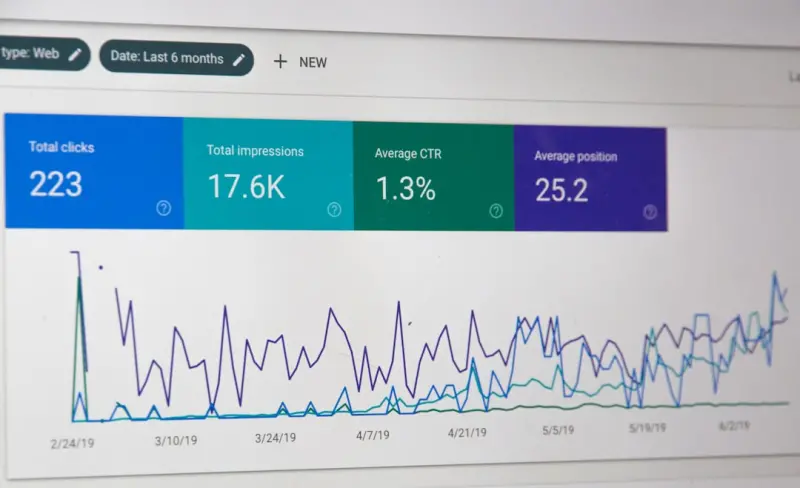
SEO Resilience: Thriving Through Algorithm Chaos
Learn why SEO resilience matters, master data‑driven experiments, and follow a six‑step action plan to keep your rankings stable amid algorithm volatility....Read More
0 Comments
Post Comment
You will need to Login or Register to comment on this post!