

The New SEO Landscape Is Anything But Static
When you step into the world of search engine optimization today, you quickly realize that the terrain is reshaped daily by algorithmic earthquakes, user‑behavior shifts, and a relentless push toward authenticity, meaning that the old checklist of keyword density and backlink quantity simply doesn’t cut it anymore; instead, the modern practitioner must act like a hybrid of data scientist, storyteller, and human psychologist, constantly iterating based on real‑time signals while never losing sight of the brand’s core narrative. Search intent has become the north star, guiding every decision from content ideation to technical tweaks, because Google’s evolving AI models are less interested in matching words and more obsessed with matching meaning, context, and user satisfaction metrics that are increasingly nuanced. This seismic shift forces us to rethink how we measure success, moving beyond vanity metrics like raw traffic and embracing deeper indicators such as dwell time, click‑through relevance, and the subtle cues that signal trust and expertise across every SERP impression.
Decoding Search Intent With a Human‑Centric Lens
Understanding search intent is no longer a matter of categorizing queries as informational, navigational, or transactional; it’s a sophisticated exercise in empathy, requiring us to map the user’s emotional state, situational context, and long‑term goals onto the content we craft, which means that a single keyword can trigger multiple layers of intent that evolve as the user scrolls, clicks, and interacts with the page ecosystem. By conducting thorough intent audits that blend quantitative data from search consoles with qualitative insights from user interviews and social listening, we can build intent clusters that inform topic clusters, internal linking strategies, and even the tone of voice that resonates most powerfully with the target audience. In practice, this means that a seemingly simple query like “best laptop for graphic design” should trigger a rich, multi‑format experience that includes a detailed buying guide, video walkthroughs, user‑generated reviews, and a clear pathway to conversion, all while subtly addressing the underlying anxiety about making a high‑stakes investment.
AI‑Generated Content: Friend or Foe?
The rise of generative AI tools has democratized content creation, allowing marketers to produce drafts at lightning speed, yet the technology also introduces a paradox: while AI can help scale volume, it can inadvertently dilute the uniqueness and depth that search engines now reward, especially as Google’s Quality Rater guidelines emphasize originality, expertise, and a human touch that machines still struggle to replicate fully. To harness AI responsibly, we must adopt a “human‑in‑the‑loop” workflow where AI drafts serve as outlines or research assistants, and seasoned writers inject strategic insights, contextual anecdotes, and the nuanced language that signals genuine authority, thereby converting a raw output into a piece that not only satisfies algorithms but also delights real readers. This balanced approach also mitigates the risk of “content farms” penalties, ensuring that each page contributes real value to the ecosystem and aligns with the broader brand story that builds lasting audience relationships.
Elevating E‑E‑A‑T in an Era of Skepticism
Google’s evolving emphasis on Experience, Expertise, Authoritativeness, and Trustworthiness—collectively known as E‑E‑A‑T—means that every piece of content must be backed by verifiable credentials, transparent sourcing, and a clear author profile, which is particularly critical for YMYL (Your Money or Your Life) topics where misinformation can have real‑world consequences; therefore, we need to embed author bios, citation links, and data visualizations that reinforce credibility without overwhelming the reader. Moreover, the experience factor extends beyond the writer’s qualifications to encompass the user’s journey on the site, demanding fast load times, mobile‑first design, and intuitive navigation that collectively signal that the brand respects the visitor’s time and attention. By weaving these elements into a cohesive strategy—such as linking to our own deep‑dive pieces like The SEO Roller Coaster: How to Ride AI‑Driven Updates with Confidence—we reinforce our site’s authority while providing a seamless pathway for users to explore related insights, thereby strengthening internal link equity and dwell time.
Link Building Reimagined: Quality Over Quantity
In the past, link building often resembled a numbers game, where marketers chased as many backlinks as possible, regardless of relevance, leading to spammy practices that now trigger algorithmic penalties, so the modern paradigm flips that script, rewarding a selective, relationship‑focused approach that prioritizes relevance, editorial context, and genuine endorsement from reputable sources within the same niche or industry ecosystem. To succeed, we must cultivate strategic partnerships with thought leaders, secure placements on high‑authority platforms, and create link‑worthy assets—such as original research reports, interactive tools, or comprehensive case studies—that naturally attract citations because they solve real problems and fill content gaps identified through rigorous competitor analysis. Additionally, leveraging internal linking structures that map out pillar‑cluster models ensures that every new backlink amplifies the entire topic cluster, distributing link equity efficiently and signaling to search engines the hierarchical importance of each page within the site architecture.
Harnessing Internal Links for Maximum Impact
Internal linking is often the unsung hero of SEO, yet it plays a pivotal role in guiding crawlers through the site, establishing topical relevance, and passing authority from high‑performing pages to newer, less‑indexed content, which means that a well‑planned internal link schema can dramatically accelerate the ranking potential of fresh assets without relying solely on external backlinks. By conducting a systematic audit of orphan pages, broken links, and anchor text distribution, we can rewire the site’s navigation flow to prioritize high‑value pages, use descriptive anchor texts that reinforce keyword relevance, and ensure that each click path aligns with the user’s intent journey, ultimately reducing bounce rates and boosting conversions. For example, linking from a popular guide on “digital marketing trends” directly to a specialized post about “AI‑driven SEO tactics” not only enriches the reader’s experience but also signals a thematic connection that search engines reward with stronger topical authority.
Measuring Success With a Holistic Dashboard
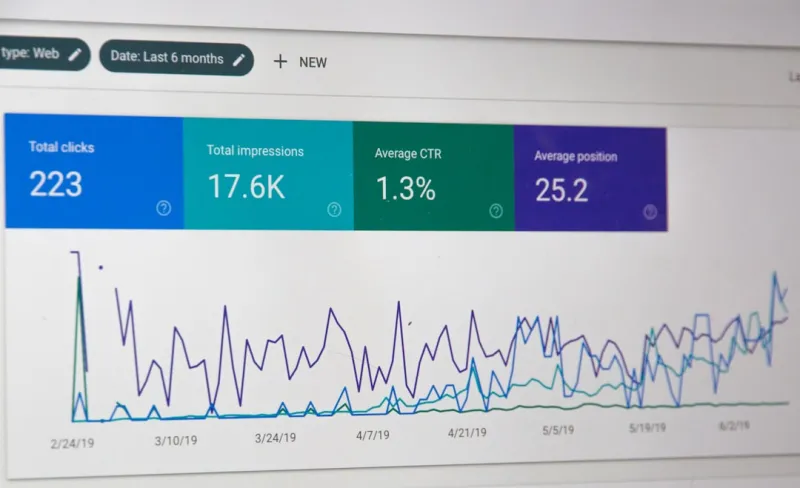
Traditional SEO metrics—organic traffic, keyword rankings, and backlink counts—still matter, but they no longer paint the full picture of performance; today’s professionals need a holistic dashboard that integrates user‑engagement signals like scroll depth, session duration, and micro‑conversions, alongside technical health indicators such as Core Web Vitals, crawl budget utilization, and structured data validation, because these composite metrics reveal how well the site satisfies both human visitors and algorithmic expectations. Implementing advanced analytics tools that allow for custom event tracking and funnel analysis enables us to pinpoint friction points, test hypotheses with A/B experiments, and iterate rapidly, ensuring that every optimization effort translates into measurable business outcomes rather than abstract rankings. This data‑driven mindset also prepares us for future algorithmic shifts, as it cultivates a culture of continuous learning and adaptation that keeps the brand agile in the face of inevitable change.
Future‑Proofing Your SEO Strategy
Looking ahead, the only certainty in SEO is change, whether it manifests as new AI ranking models, voice‑search dominance, or evolving privacy regulations that limit data access, so the most resilient strategies are built on foundational principles—user‑first content, technical excellence, and authentic authority—while remaining flexible enough to incorporate emerging technologies like semantic search, visual AI indexing, and predictive personalization without compromising brand integrity. Investing in evergreen assets, fostering a community of engaged advocates, and staying abreast of industry research through continuous education ensure that the site remains a trusted resource, while a proactive approach to emerging trends—such as experimenting with structured data for FAQ rich snippets or optimizing for zero‑click searches—positions the brand to capture early‑stage traffic before competitors catch up. By embracing this balanced philosophy, we turn uncertainty into opportunity, creating a sustainable SEO engine that fuels growth for years to come.

Kris Kennel is a Paralegal outside of Austin, Texas where he spends most of his time helping users with legal matters that concern them. When he is not working he enjoys time with his wife and kids.
Related Posts
The SEO Playbook That’s Redefining Rankings
Explore a modern SEO playbook that blends analytics, storytelling, and technical excellence to boost... Read More

Zero‑Click SEO: Winning the SERP When Users Never Click
Discover the strategies that let you capture top SERP real estate—featured snippets, knowledge pan... Read More

The Evolution of SEO: How Family Law Influences Online Strategies
Family law and SEO may seem like unrelated fields, but they intersect in complex ways. Learn how fam... Read More
Top Posts

Real Estate Tokenization: Redrawing Ownership Rules
Tokenization is turning traditional property titles into blockchain‑based shares, creating new legal challenges and opportunities. This post breaks down the t...Read More

The Shifting Landscape of Family Law: Trends, Challenges, and Insights
The shifting landscape of family law is complex and multifaceted. Learn how to navigate the complexities of modern family dynamics and ensure the best interests...Read More

Beyond the Will: Crafting Trusts for Digital Legacies and the Modern Family
Traditional wills fall short for today’s digital wealth. Discover how to design a flexible, privacy‑focused digital trust that secures crypto, online accoun...Read More

When Drones Violate the Sky: Criminal Law’s New Frontier
The rise of consumer drones has turned the sky into a hotbed of criminal activity, from privacy invasions to smuggling and infrastructure threats. This article ...Read More
0 Comments
Post Comment
You will need to Login or Register to comment on this post!