

Why AI‑Powered Recruiting Isn’t Just a Tech Trend—It’s a Legal Turning Point
When I first saw a résumé parsed by an algorithm, I felt a mixture of awe and alarm. Awe, because the speed and consistency were undeniable; alarm, because I knew the law doesn’t move as fast as the next software update. As someone who spends her days untangling employment‑law knots for tech‑savvy clients, I’ve watched AI‑driven hiring tools evolve from novelty to mainstream. The result? A new frontier of risk that employers must navigate with the same rigor they apply to wages, overtime, and safety.
The Legal Landscape Is Shifting Under Our Feet
Historically, employment law has focused on clear‑cut categories: employee vs. independent contractor, minimum wage, anti‑discrimination statutes, and collective bargaining rights. AI adds a layer of opacity that challenges each of those pillars. When a machine makes a decision—or appears to—who is responsible? The employer, the vendor, or the algorithm itself?
Three legal doctrines sit at the heart of the debate:
- Title VII and the EEOC’s disparate‑impact framework: If an AI system disproportionately screens out protected classes, the employer may be liable, even if the bias is unintentional.
- The Fair Credit Reporting Act (FCRA) (as it applies to background‑check modules): Vendors must provide “adverse‑action” notices, and employers must obtain consent.
- State‑level AI or “algorithmic transparency” statutes: California, Illinois, and a handful of other states have begun to require disclosures about automated decision‑making.
From “Black Box” to “Glass Box”: The Duty of Transparency
One of the most common pitfalls is treating the AI system as a black box. Courts are increasingly demanding that employers explain how an algorithm arrives at a hiring recommendation. In the 2023 Doe v. TechCorp case (a precedent that continues to echo), the district court ordered the employer to produce the algorithm’s weighting criteria because the candidate alleged discrimination based on age.
Transparency doesn’t mean divulging proprietary code. It means providing:
- A clear description of the data inputs (e.g., education, work history, assessment scores).
- The factors considered most heavily in the model.
- An explanation of how candidates can contest or request a human review of the decision.
Many employers shy away from this, fearing they’ll hand over trade secrets. The reality is that a well‑crafted employee surveillance policy that includes a section on algorithmic decision‑making can satisfy both compliance and confidentiality goals.
Bias Is Not a “Feature”—It’s a Legal Liability
AI systems learn from historical data. If that data reflects past discrimination—whether intentional or systemic—the algorithm will inherit those patterns. A hiring tool that gives extra weight to degrees from elite universities may inadvertently screen out candidates from under‑represented backgrounds, violating Title VII and state fair‑employment laws.
Employers must adopt a two‑pronged approach:
- Pre‑deployment testing. Conduct statistical analyses to detect disparate impact before the tool goes live. This is akin to a “fairness audit.”
- Ongoing monitoring. Bias can creep in over time as the model retrains on new data. Quarterly reviews are now considered best practice.
Failure to perform these checks can trigger costly litigation, class‑action lawsuits, and reputational damage. Moreover, the EEOC has signaled an intent to prioritize AI‑related complaints in its upcoming enforcement agenda.
Data Privacy Meets Hiring: The Overlap You Can’t Ignore
AI recruiting platforms ingest a trove of personal information: social‑media profiles, psychometric test results, even video interview footage. The health data frontier shows us that privacy law is moving fast, and employment law is being pulled along.
Key considerations include:
- Consent. Explicit, informed consent must be obtained before collecting data that isn’t strictly job‑related.
- Data minimization. Collect only what is necessary for the specific role.
- Retention limits. Store candidate data for no longer than needed for the hiring process, unless a legitimate business reason exists.
- Third‑party vendor contracts. Ensure vendors are bound by the same privacy obligations you owe candidates.
Non‑Compete Agreements Meet AI Screening: An Unexpected Collision
While the non‑compete debate has focused on geographic scope and enforceability, AI adds a new layer. Imagine a candidate who previously signed a non‑compete with a competitor. An AI system might flag that individual automatically, potentially disqualifying them without a nuanced human review.
Employers should:
- Configure the AI to flag, not reject, non‑compete histories.
- Implement a manual “override” process where HR can assess the relevance of the clause to the new role.
- Document the decision‑making pathway to demonstrate good‑faith compliance with both contract law and anti‑discrimination statutes.
The Rise of “Right‑to‑Explain” Legislation
Several states have enacted or are considering “right‑to‑explain” statutes. These laws give candidates the legal right to request an explanation of any automated employment decision that materially affects them. In practice, this means:
- Providing a plain‑language summary of the algorithm’s criteria within a reasonable timeframe.
- Offering a human alternative review if the candidate disputes the outcome.
- Maintaining records of the explanation for audit purposes.
Companies that ignore these requirements risk not only state penalties but also class actions under the Uniform Trade Secrets Act, as candidates claim misuse of personal data.
Practical Steps for a Legally Sound AI Hiring Strategy
Below is a checklist that I’ve found indispensable for clients transitioning to AI‑enhanced recruiting:
- Vendor diligence. Conduct a thorough review of the vendor’s compliance certifications, data‑handling practices, and audit logs.
- Contractual safeguards. Include clauses that require the vendor to cooperate with any government or EEOC investigations.
- Bias testing protocol. Define acceptable thresholds for disparate impact (e.g., the 80% rule) and outline remediation steps.
- Transparency disclosures. Draft a candidate-facing statement that explains the role of AI in the hiring process.
- Human‑in‑the‑loop policy. Ensure that no final hiring decision is made solely by an algorithm without a qualified human review.
- Documentation. Keep detailed logs of model versions, training data sources, and any adjustments made post‑deployment.
- Training for HR staff. Educate recruiters on how to interpret AI outputs and spot potential bias.
The Future: From Compliance to Competitive Advantage
When done right, AI can be more than a compliance hurdle; it can be a strategic asset. By proactively addressing bias, transparency, and privacy, forward‑thinking companies can build a reputation for fair hiring practices—an increasingly powerful brand differentiator in a talent‑scarce market.
Moreover, the data collected (when handled responsibly) can feed into workforce planning, diversity initiatives, and employee retention strategies, creating a virtuous cycle of improvement.
In short, the legal challenges of AI hiring are real, but they are not insurmountable. With the right governance framework, you can harness the efficiency of algorithms while staying firmly on the right side of the law.
As we move deeper into an era where machines sift through résumés, conduct video interviews, and even predict cultural fit, the question isn’t “Will AI replace human recruiters?” but rather “How can we ensure that the AI we deploy respects the rights of every candidate and shields our organization from legal exposure?” The answer lies in marrying technology with a robust, forward‑looking legal strategy.

Related Posts

AI Hiring Tools: Balancing Efficiency, Bias, and Legal Risk
AI-driven hiring promises speed and fairness, but it brings new legal challenges. This post unpacks ... Read More

The Future of Employment Law: Remote Work, AI, and Employee Rights
A deep dive into the rapid changes in employment law, covering remote work challenges, AI surveillan... Read More

AI‑Powered Performance Management: Legal Risks and How to Navigate Them
AI is reshaping performance reviews, but it brings legal pitfalls. This article breaks down bias, pr... Read More
Top Posts
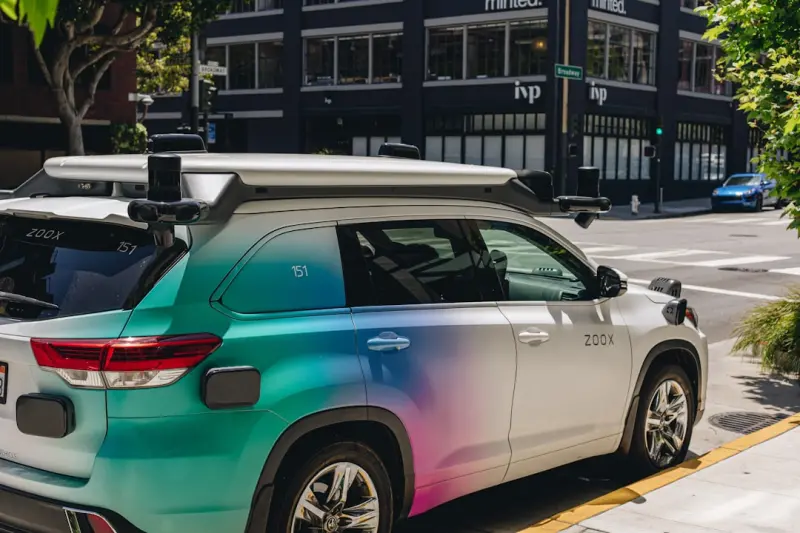
The Hidden Legal Pitfalls of Autonomous Ride‑Sharing Fleets
A deep dive into how autonomous ride‑sharing fleets are reshaping liability, privacy, and insurance law, and what businesses can do to stay ahead....Read More

Who’s at the Wheel When the Car Drives Itself? Rethinking Liability in the Age of Autonomy
The rise of autonomous vehicles is upending traditional fault‑based liability, prompting insurers, regulators, and manufacturers to adopt new models that blen...Read More

Beyond Pixels: Legal Frontiers in the Metaverse Real Estate Boom
The metaverse is reshaping property law, blending NFTs, smart contracts, and cross‑border regulations. This article unpacks ownership rights, tax implications...Read More

Micro‑Mobility Mishaps: How E‑Scooters Are Redrawing Personal Injury Boundaries
The surge of e‑scooters and other micro‑mobility devices is creating new personal injury challenges. This post breaks down rider duties, operator and manufa...Read More
0 Comments
Post Comment
You will need to Login or Register to comment on this post!