
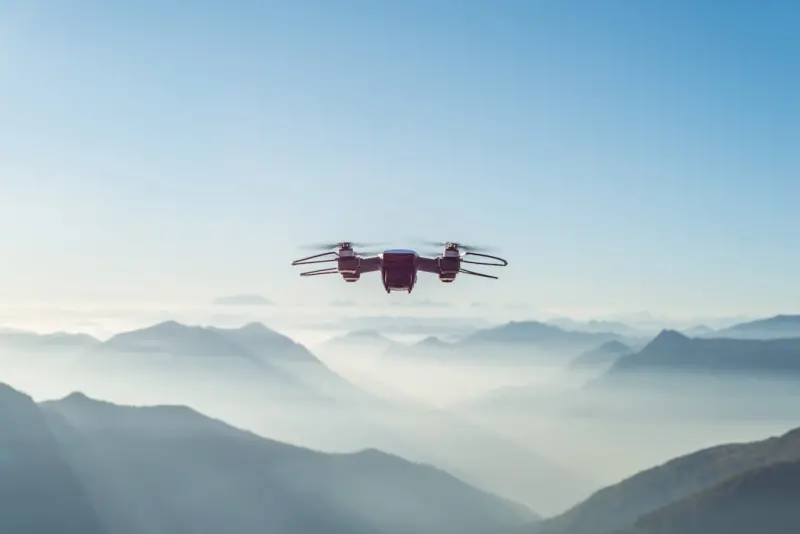
The Sky’s New Legal Frontier: Autonomous Drone Delivery
When I first watched a tiny quadcopter zip a pizza across town, I felt the familiar thrill of a lawyer spotting a precedent‑setting fact pattern in the making. Autonomous drone delivery is no longer a sci‑fi novelty; it is morphing into a regulated commerce channel that will demand fresh statutes, updated case law, and a whole new breed of courtroom arguments. The convergence of aviation rules, consumer protection, and emerging technology creates a legal tapestry as intricate as the flight paths these machines trace, and I’m here to map it out for you.
Regulatory Airspace: From the FAA to Local Ordinances
The Federal Aviation Administration (FAA) has long been the gatekeeper of U.S. airspace, but its existing Part 107 rules were written for hobbyists, not fleet‑scale delivery bots humming above neighborhoods. Recent amendments introduce concepts like “controlled air corridors” and mandatory “detect‑and‑avoid” systems, yet the language still leaves gray zones around weight limits, night operations, and beyond‑visual‑line‑of‑sight (BVLOS) flights that businesses must navigate carefully. Moreover, cities are sprinkling their own zoning overlays—some requiring noise caps, others demanding community impact studies—so a multi‑jurisdictional compliance checklist has become as essential as a pilot’s pre‑flight inspection.
Who Pays the Tab? Liability When Drones Crash
Imagine a delivery drone colliding with a suburban mailbox, shattering glass, and sending a cascade of legal questions spiraling faster than the propellers. Traditional negligence analysis still applies, but the added layers of autonomous decision‑making and software defects force courts to untangle “human‑in‑the‑loop” versus “machine‑only” fault, often turning to product liability doctrines and emerging doctrines of “algorithmic negligence.” Companies must therefore invest in rigorous testing logs, real‑time data capture, and clear contractual clauses that allocate risk between manufacturers, operators, and third‑party logistics partners.
Eyes in the Sky: Privacy Meets the Propeller
Every drone carries at least one camera, and when those lenses sweep over backyards, balconies, or private gatherings, the privacy stakes climb dramatically. While the Supreme Court has yet to rule directly on aerial surveillance by unmanned systems, lower courts are already applying the Fourth Amendment’s reasonableness test to determine whether a drone’s view constitutes an unlawful search. To stay ahead, operators should embed geofencing technology that automatically blurs residential zones, publish transparent data‑use policies, and consider obtaining consent where feasible, thereby turning a potential litigation minefield into a trust‑building feature.
Insuring the Unmanned Fleet
Insurance for autonomous drones is still evolving, with underwriters juggling traditional aviation policies, cyber‑risk endorsements, and emerging “air‑space liability” coverage. The Navigating the New Frontier of Cyber Insurance Laws article highlighted how cyber exposures—like hacking of navigation software—can trigger massive claims, and the same logic now applies to drones that can be commandeered mid‑flight. Companies should demand blanket policies that address bodily injury, property damage, cyber‑tampering, and even regulatory fines, and they must routinely audit policy language to ensure it reflects the latest FAA amendments and local ordinances.
Protecting the Secrets Behind the Swarm
Behind every sleek delivery drone lies a proprietary blend of hardware design, routing algorithms, and data analytics that constitute a competitive moat. In a world where hybrid workforces often collaborate remotely on drone firmware, the risk of trade‑secret leakage is real, and the Guarding the Invisible guide offers a solid framework for safeguarding those intangible assets. Implementing strict access controls, non‑disclosure agreements tailored to autonomous systems, and regular employee training can transform a potential vulnerability into a defensible asset in both litigation and market competition.
Gig Workers on the Wing: Labor Law Takes Flight
The rise of on‑demand drone pilots—often contracted through gig platforms—has thrust labor law into uncharted altitude, echoing the debates we’ve seen in ride‑share and food‑delivery sectors but with a mechanized twist. Courts will scrutinize whether these pilots are truly independent contractors or whether the level of control exercised by the operating company creates an employer‑employee relationship, triggering obligations for minimum wage, overtime, and benefits. To preempt costly misclassifications, businesses should craft clear engagement agreements, offer optional benefits packages, and maintain transparent performance metrics that respect both regulatory standards and worker autonomy.
Artificial Intelligence as Co‑Pilot: Legal Implications
AI isn’t just plotting the fastest route; it’s making real‑time decisions about altitude, obstacle avoidance, and even emergency landings, effectively acting as a co‑pilot with legal responsibilities. The AI‑Driven Topic Clustering piece demonstrated how algorithmic transparency can be a legal safeguard, and the same principle applies to drone navigation software that must log decision‑making pathways for post‑incident analysis. Companies should adopt explainable‑AI frameworks, conduct regular audits of algorithmic bias, and retain immutable logs to satisfy both regulatory inquiries and potential discovery requests.
Charting the Course: Practical Steps for Legal Compliance
To turn the promise of autonomous drone delivery into a defensible business model, operators need a checklist that reads like a pilot’s pre‑flight routine: (1) secure FAA certification for BVLOS operations; (2) map local ordinances and obtain necessary permits; (3) embed privacy‑by‑design features such as geofencing and data minimization; (4) negotiate comprehensive insurance that covers cyber‑tampering and air‑space liability; (5) protect trade secrets with robust NDAs and access controls; (6) structure gig‑worker relationships to avoid misclassification; and (7) implement explainable AI logs for every autonomous decision. By treating each of these steps as non‑negotiable, businesses can avoid costly litigation, foster public trust, and keep their drones soaring above legal turbulence.

I am Madden Persons, a content writer and digital influencer dedicated to crafting impactful stories and building authentic online connections. With a strategic approach to content creation, I develop engaging articles, digital campaigns, and social media narratives that help brands elevate their online presence and connect meaningfully with their target audiences.
Passionate about modern digital trends and audience engagement, I specialize in translating complex ideas into compelling content that sparks conversation, drives results, and strengthens brand identity.
Related Posts

When Drones Take Over the Doorstep: Legal Realities of Aerial Delivery
A deep dive into the legal challenges of drone delivery, covering regulations, liability, privacy, a... Read More

When Reality Becomes Fabricated: Deepfakes and the Modern Courtroom
Deepfake AI is challenging traditional evidentiary rules, defamation standards, and criminal trial p... Read More

Who Owns a Robot’s Brushstroke? Unpacking AI‑Generated Art and Copyright
A deep dive into the complex world of AI‑generated art, examining who can claim copyright, the cha... Read More
Top Posts

Smart Contracts Meet Marriage: Redefining Prenups in the Crypto Era
This post dives into the rise of smart‑contract prenups, offering a step‑by‑step guide for couples and lawyers to protect digital assets, integrate tradit...Read More

Reimagining Worker Classification: A Hybrid Approach for Modern Labor Law
The post outlines a new hybrid worker classification framework, offering practical steps for employers to navigate legal risks while attracting talent in the mo...Read More

Smart Trust Strategies for Modern Families
A fresh look at why cookie‑cutter trusts miss the mark, and how customized trust structures safeguard blended families, future care costs, charitable ambition...Read More

Divorce in the Age of AI: Navigating Algorithmic Negotiations and Digital Evidence
AI is revolutionizing divorce settlements, offering fast algorithmic recommendations while raising privacy and bias challenges. This article guides litigants th...Read More
0 Comments
Post Comment
You will need to Login or Register to comment on this post!