
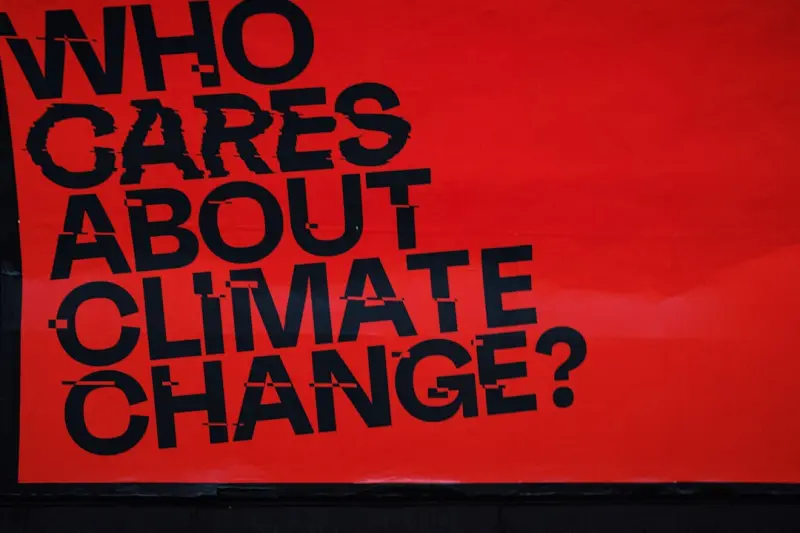
When I first sat down with a client to draft a simple revocable living trust, the conversation was almost always about “who gets what” and “how to avoid probate.” Fast‑forward a decade, and that same client is now asking about rising sea levels, carbon footprints, and the fate of their digital presence after they’re gone. The world has changed, and so have the expectations placed on trusts and estates law. In today’s climate‑aware, digitally‑connected landscape, the traditional toolbox of wills and trusts needs a few new tools—some of which I’m still learning alongside my clients.
Climate‑Driven Risks Are No Longer a Footnote
It used to be acceptable to write a trust that simply listed a beachfront property as an asset, assuming it would sit there forever. Now, that assumption is reckless. Coastal erosion, increased flooding, and the specter of mandatory climate‑related disclosures are reshaping how we think about real‑estate holdings in trusts.
- Flood‑zone redesignations: Many states have updated their flood maps, meaning properties once considered “safe” are now classified as high‑risk. A trust that fails to address this can expose beneficiaries to unexpected tax liabilities and insurance premiums.
- Insurance volatility: Climate change is driving up premiums and, in some cases, leading insurers to withdraw coverage altogether. Trusts must now incorporate contingency clauses that address potential loss of coverage and outline alternative risk‑mitigation strategies.
- Regulatory ripple effects: Emerging climate‑related statutes, such as mandatory “green” disclosures for large estates, are being piloted in several jurisdictions. Ignoring these could result in penalties that erode the very wealth the trust was designed to protect.
These realities demand a proactive approach: include climate‑impact assessments in the initial trust‑drafting phase, and consider “climate‑contingent” provisions that can trigger alternative asset allocations if certain environmental thresholds are met.
Integrating ESG Goals Into Estate Planning
Environmental, Social, and Governance (ESG) criteria have moved from boardrooms into family dining rooms. More families want their wealth to reflect their values—not just in life, but in legacy. This shift opens up a suite of innovative trust structures:
- Charitable remainder trusts with ESG focus: These allow you to receive income during your lifetime while directing the remainder to ESG‑aligned charities, ensuring your impact continues beyond your years.
- Impact‑investment trusts: By placing assets into funds that meet specific ESG standards, trustees can grow wealth while advancing sustainable objectives.
- Green‑bond holdings: Incorporating green bonds into trust portfolios can provide stable returns and demonstrate a commitment to environmental stewardship.
It’s not just about “doing good.” ESG‑aligned investments often outperform traditional portfolios over the long term, creating a win‑win for beneficiaries who inherit both wealth and a legacy of responsibility.
Digital Legacy: More Than Crypto
When we discuss digital assets, most minds jump to cryptocurrency and NFTs—topics I’ve covered extensively in trust strategies for crypto and NFTs. Yet, the digital universe extends far beyond those tokens. Social media profiles, email accounts, cloud‑based photo libraries, and even subscription services represent a growing slice of a person’s net worth and identity.
These assets pose unique challenges:
- Access rights: Most platforms require proof of death before granting access, a process that can take weeks or months, leaving families in limbo.
- Data privacy: The rise of privacy fiduciary duties means trustees must navigate complex consent requirements when handling personal data.
- Monetization potential: Some influencers leave behind accounts with significant follower bases that can be monetized posthumously through brand deals or ad revenue.
Modern trusts now include “digital asset inventories” and “digital executor” provisions. A digital executor—distinct from the estate executor—focuses solely on managing, preserving, and, where appropriate, monetizing digital footprints.
Pet Trusts: Protecting Our Furry (and Feathered) Family Members
Pet ownership has surged, and with it, the desire to ensure our four‑legged companions are cared for after we’re gone. Pet trusts, once a niche, are becoming mainstream, especially among millennial and Gen Z families who view pets as full‑time family members.
Key considerations when drafting a pet trust include:
- Funding the trust: Calculating the lifetime cost of care—food, veterinary expenses, grooming, and even pet‑sitting services—is essential. A rule of thumb is to estimate $5,000–$10,000 per year per pet, adjusted for inflation.
- Choosing a caretaker: The trust can name a specific individual, a professional pet care service, or even a combination. Including a backup caretaker prevents gaps in care if the primary caretaker is unable to serve.
- Oversight mechanisms: Trustees may appoint a “pet protector”—often an animal welfare advocate—to monitor the caretaker’s adherence to the trust’s terms.
Pet trusts also open the door for charitable donations to animal shelters, allowing owners to extend their love for animals beyond their own pets.
Estate Planning for the Gig Economy
The rise of freelance and contract work has fragmented income streams. Unlike traditional salaried employees, gig workers often lack employer‑provided benefits, making personal estate planning a critical safety net.
Specific trust provisions that cater to gig workers include:
- Income‑smoothing trusts: These trusts can collect irregular earnings and disburse them in a steady stream to beneficiaries, providing financial stability.
- Intellectual property clauses: Many gig workers—writers, designers, developers—own the IP they create. Trusts can protect these assets and dictate licensing terms.
- Healthcare coverage provisions: While not a traditional trust function, some modern trusts integrate health‑savings accounts (HSAs) to ensure ongoing medical coverage for the settlor and dependents.
Addressing these nuances early can prevent costly disputes down the line and ensure that the very flexibility that gig work provides isn’t lost in the transfer of wealth.
Practical Steps for Trustees in a Changing World
Being a trustee today isn’t just about managing a ledger; it’s about navigating a complex web of environmental, digital, and societal factors. Here are five actionable steps for trustees aiming to stay ahead:
- Conduct an annual ESG audit. Review the trust’s holdings to ensure they align with the settlor’s sustainability goals. Adjust allocations as needed.
- Update the digital asset inventory quarterly. Include new platforms, passwords (stored securely), and any emerging digital assets.
- Engage a climate‑risk specialist. For trusts holding real‑estate in vulnerable areas, a professional can model potential impacts and suggest mitigation strategies.
- Revisit pet care clauses. As pets age or new pets are added, update funding and caretaker information to reflect current needs.
- Collaborate with a tax advisor familiar with gig‑economy income. Properly structuring income‑smoothing provisions can reduce tax drag and enhance beneficiary outcomes.
These practices may seem detailed, but they safeguard the trust’s purpose: to protect and transmit wealth in a way that honors the settlor’s values—whether those values are rooted in environmental stewardship, digital legacy, or unconditional love for a pet.
Looking Ahead: The Trust Landscape of Tomorrow
We are on the cusp of a new era where trusts are no longer static documents but living frameworks that adapt to a world in flux. As climate policy evolves, as digital platforms proliferate, and as societal norms shift, the legal profession must remain agile.
For families, the message is clear: start the conversation now. Bring up climate concerns, digital wishes, and even your pets’ future at the first planning meeting. The sooner you articulate these preferences, the more effectively a trust can be tailored to meet them.
In my practice, I’ve seen the peace of mind that comes from a forward‑looking trust. It’s not just about protecting assets; it’s about ensuring that the story you’ve built—your values, your relationships, your impact—continues to resonate long after you’ve turned the final page.

Allison Jarvis is a dynamic digital media and marketing professional dedicated to driving brand growth through impactful storytelling. With a sharp eye for market trends and a passion for data-driven strategies, she specializes in building cohesive online identities that resonate with modern audiences. Allison blends creative content production with robust analytics to maximize engagement and deliver measurable ROI. She continuously explores emerging digital tools to keep her projects ahead of the curve.
Related Posts
Future‑Proofing Your Legacy: Trusts, Digital Assets, and the New Family Dynamics
Explore innovative estate planning techniques that integrate digital asset inventories, dynamic trus... Read More
Trusts & Estates Law: Innovative Strategies for Modern Families
Discover fresh trust strategies—from pet trusts to family business succession—that safeguard ass... Read More
The Rise of Purpose-Driven Trusts: Aligning Legacy with ESG Values
Purpose‑driven trusts are reshaping estate planning by letting families embed environmental, socia... Read More
Top Posts

Blockchain Trusts: Reimagining Estate Planning
Blockchain trusts combine traditional fiduciary principles with smart contract automation, delivering transparent, secure, and cost‑effective estate planning ...Read More

Navigating the Shifting Sands of Automotive Law
A deep dive into the evolving legal landscape of vehicles—covering autonomous responsibility, data‑driven disputes, and innovative insurance solutions for m...Read More

When the Scalpel Meets the Server: The Hidden Dangers of Remote Surgery
Remote surgery promises universal access to expert care, but latency, software bugs, cyber threats, and cross‑border liability create a perilous landscape tha...Read More

The Power of Semantic Topic Clusters: A Data‑First Blueprint for SEO Success
Learn a data‑first approach to SEO by creating semantic topic clusters that combine pillar pages, structured data, and continuous testing, driving authority a...Read More
0 Comments
Post Comment
You will need to Login or Register to comment on this post!