
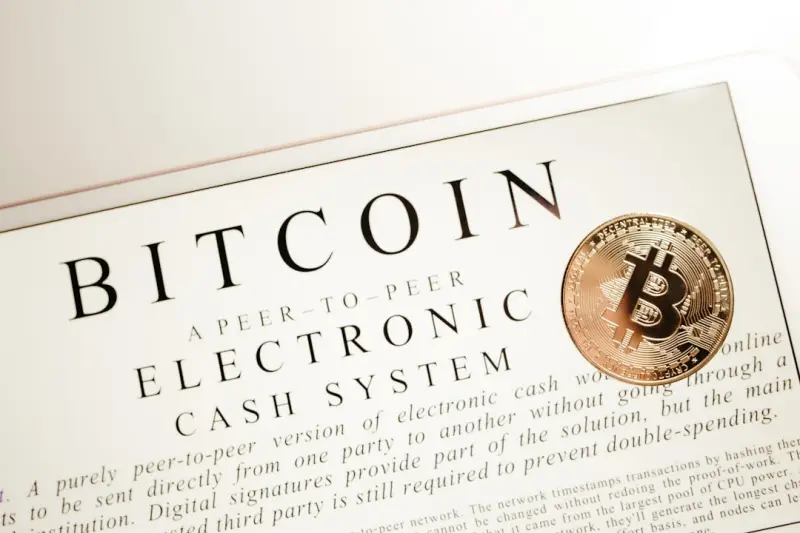
Beyond the Will: How Digital Assets are Redefining Estate Law
When I first started drafting contracts for SaaS startups, the biggest surprise was how quickly the legal landscape caught up with technology. Today, the next frontier isn’t just about who can access a platform or how a service is taxed—it’s about what happens to a person’s digital life when they’re no longer here. From crypto wallets to AI‑generated art, the assets we create and own online are as valuable as any real‑world property, yet the law still treats them like an afterthought.
Why Digital Estate Planning Is No Longer Optional
Consider a typical tech‑savvy professional: a cryptocurrency portfolio worth six figures, a cloud‑based photo library that spans decades, a subscription to a premium AI‑writing tool, and perhaps a handful of NFTs that double as personal branding assets. Traditional wills can name an executor and allocate cash or physical property, but they rarely address how to transfer a private key, how to shut down a social‑media account, or who can claim ownership of a decentralized autonomous organization (DAO) share.
In many jurisdictions, the law still assumes property is tangible or at least recorded in a central registry. Digital assets, by contrast, exist on distributed ledgers, encrypted clouds, or proprietary servers that may lock out heirs without the right credentials. The result? A legal limbo where families can spend months—or even years—trying to retrieve a single Bitcoin address, while valuable time‑sensitive assets, such as a domain name, lapse.
The Core Challenges Lawyers Face Today
- Identification and Valuation: Unlike a house, a digital asset often lacks a clear title. Determining ownership can be murky when accounts are shared or when multiple parties have “admin” privileges.
- Access Control: Private keys, recovery phrases, and two‑factor authentication devices are the new keys to a safe deposit box. If an executor doesn’t have them, the asset is effectively dead.
- Jurisdictional Conflict: A crypto exchange may be based in one country, while the wallet provider is incorporated elsewhere. Different legal regimes can apply, complicating probate.
- Regulatory Uncertainty: Some states classify digital assets as “personal property,” while others treat them as securities. This affects inheritance tax treatment.
Emerging Legal Tools and Strategies
Fortunately, the legal profession is catching up. A growing number of firms now offer “digital estate planning” as a specialized service. Here are the most promising tools:
1. Digital Asset Clauses in Traditional Wills
Instead of a generic “all my possessions,” savvy attorneys are drafting precise clauses that list usernames, URLs, and the location of private keys. Some even embed QR codes that link to encrypted instructions for accessing the assets.
2. Trust Structures Tailored to Crypto
Placing crypto in a revocable trust can sidestep probate altogether. The trust becomes the legal owner, and the trustee—armed with the necessary credentials—can manage or distribute the assets per the settlor’s wishes. This approach also offers privacy, as trusts are not always subject to public filing.
3. Third‑Party Custodians
Much like a bank holds a safe deposit box, specialized custodians now store private keys in hardware security modules (HSMs) with strict access controls. Clients can designate “beneficiary access” that triggers only upon verified death certificates.
4. Smart Contracts for Automated Transfer
Blockchain’s native capability to execute code on condition fulfillment is a game‑changer. A well‑written smart contract can automatically transfer ownership of an NFT or token to a predefined heir once a “death oracle” confirms the decedent’s passing. While still experimental, these contracts are gaining traction among early adopters.
5. Digital Legacy Services
Companies like embedded insurance platforms are now bundling legacy services—allowing users to store recovery phrases alongside their subscription data. The legal implications are still being debated, but the convenience factor is undeniable.
Case Study: The Unexpected Probate Battle Over a DAO
Last year a California tech entrepreneur passed away, leaving behind a 15% stake in a prominent DAO that governed a popular DeFi protocol. Because the DAO used a multi‑signature wallet, the surviving family members couldn’t access the funds without the other signatories, who were unrelated co‑founders. The court had to decide whether the DAO stake qualified as “personal property” and, if so, how to enforce the deceased’s wishes without breaching the DAO’s governance rules.
Ultimately, the judge ruled that the stake was indeed personal property but ordered a temporary injunction that forced the DAO to freeze the voting rights of the deceased’s portion until a court‑appointed custodian could be appointed. This case highlighted three key takeaways:
- DAOs are not immune to traditional probate law.
- Multi‑signature arrangements require explicit succession planning.
- Courts are willing to intervene, but the process can be lengthy and costly.
Integrating Restorative Justice Principles
While estate planning may seem far removed from restorative justice, the underlying philosophy—addressing harm and providing closure—applies. Families often feel a profound sense of loss when digital memories become inaccessible. By employing a restorative justice lens, attorneys can help clients create “digital closure plans” that outline how memories, communications, and personal data will be handled, ensuring that loved ones aren’t left grappling with a digital void.
Practical Checklist for Professionals
If you’re a legal practitioner, tech founder, or simply a digital native concerned about the future, here’s a quick checklist to start building a robust digital estate plan:
- Inventory every digital asset—cryptocurrency, NFTs, domain names, cloud storage, social media accounts, SaaS subscriptions.
- Document login credentials securely (using a password manager with emergency access).
- Determine the legal classification of each asset in your jurisdiction (personal property, security, intellectual property).
- Draft explicit digital asset clauses in your will or trust documents.
- Consider a reputable third‑party custodian for high‑value private keys.
- Explore smart contract options for automated transfer, keeping legal compliance in mind.
- Include a “digital legacy” statement that addresses how personal data should be handled—deleted, transferred, or archived.
The Role of SaaS Providers
Software‑as‑a‑Service platforms have a unique responsibility. Many users store critical data—project files, client contracts, even proprietary code—on these services. As these platforms evolve, they must consider how to honor a user’s post‑mortem wishes. Some are already incorporating “account inheritance” features that allow designated contacts to claim access after a verified death event. However, the legal frameworks governing these features remain nascent, and providers must balance privacy laws with the desire for continuity.
Looking Ahead: Regulation on the Horizon
Legislators worldwide are beginning to catch up. In the United States, a handful of states have introduced “Digital Assets and Estate Planning” bills that would require fiduciaries to follow specific protocols for accessing encrypted data. The European Union’s upcoming Digital Succession Directive aims to standardize cross‑border recognition of digital wills.
These developments signal that the era of “digital afterlife” is moving from a niche concern to a mainstream legal requirement. Practitioners who proactively adopt digital estate planning practices will not only protect their clients but also position themselves as leaders in a rapidly growing niche.
Conclusion: Embrace the Future, Preserve the Past
The law has always been a reflection of society’s values. As our lives become more intertwined with technology, the legal system must evolve to safeguard the intangible assets that define our identities. By treating digital assets with the same rigor as physical property—through careful documentation, innovative custodial solutions, and forward‑thinking legislation—we can ensure that a person’s digital legacy endures, just as their tangible one does.
In the words of my mentor, “Your legacy is what you leave behind, both on the shelf and in the cloud.” It’s time we give the cloud the respect it deserves.

Kris Kennel is a Paralegal outside of Austin, Texas where he spends most of his time helping users with legal matters that concern them. When he is not working he enjoys time with his wife and kids.
Related Posts
When Reality Gets Edited: The Legal Battle Against Deepfakes
Deepfakes are challenging traditional legal concepts of truth, privacy, and evidence. This article e... Read More

Deepfake Disruption: Navigating the Legal Minefield of Synthetic Media
Deepfakes are no longer sci‑fi; they’re a legal reality. This article unpacks the defamation, pr... Read More
The Digital Transformation of Family Law: What Every Couple Needs to Know
A deep dive into how technology is redefining marriage and divorce law, highlighting AI mediation, v... Read More
Top Posts
Cross‑Border Co‑Parenting: A Practical Legal Blueprint
International co‑parenting poses unique legal, logistical, and emotional challenges. This guide outlines jurisdiction basics, privacy‑safe tech, financial c...Read More
Smart Trust Strategies for Modern Families
A fresh look at why cookie‑cutter trusts miss the mark, and how customized trust structures safeguard blended families, future care costs, charitable ambition...Read More

Navigating Liability in the Age of Autonomous Vehicles
Self‑driving cars are rewriting traffic law. Discover the new liability landscape, insurance shifts, and data privacy challenges facing drivers, manufacturers...Read More

Medical Law in 2024: Kris M. Chen’s Insider Forecast
Kris M. Chen breaks down the biggest 2024 medical law trends, from telemedicine regulation to data privacy, offering actionable insights for practitioners....Read More
0 Comments
Post Comment
You will need to Login or Register to comment on this post!