
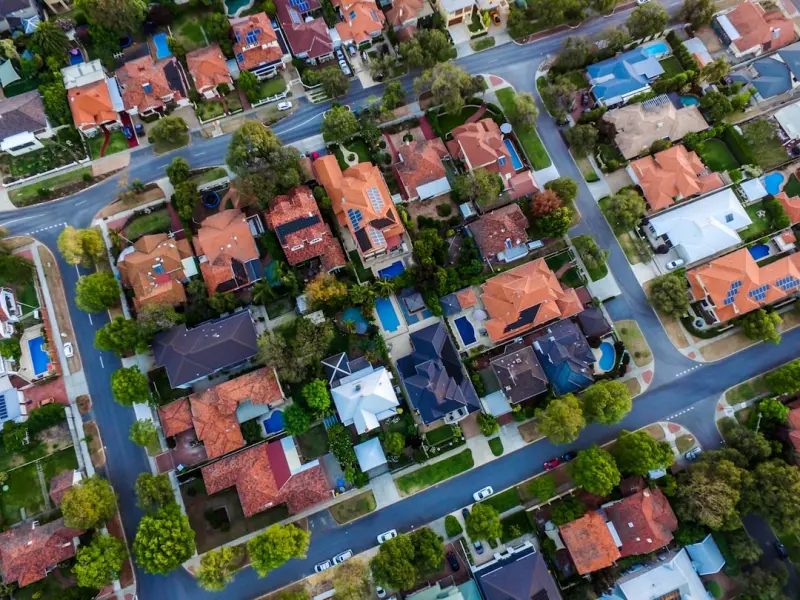
Why Climate Resilience Is the New Legal Frontier in Real Estate
When I first cut my teeth on property transactions, the biggest legal headaches were boundary disputes and financing contingencies. Fast‑forward a decade, and the conversation now centers on climate‑driven risk. Floodplain re‑maps, wild‑fire‑prone zones, and mandatory net‑zero building standards are no longer niche concerns—they’re reshaping the very foundation of real‑estate law.
The Shift From “What Can We Build?” to “What Must We Build?”
Traditional zoning codes asked developers, “What type of use is permissible here?” Today, municipal planners are asking, “Can this structure survive the next 30 years of climate stress?” This shift forces lawyers, investors, and architects to ask a new set of questions:
- Risk Allocation: Who bears the cost when a flood overtops a newly built mixed‑use tower?
- Disclosure Obligations: How detailed must climate‑impact statements be in offering memoranda?
- Contractual Flexibility: Can lease agreements accommodate future retrofits mandated by emerging ordinances?
Answering these questions requires a blend of statutory interpretation, emerging case law, and a dash of forward‑looking engineering insight.
Redefining Zoning and Land‑Use Controls
Many jurisdictions have begun to layer climate data onto existing zoning maps. In coastal cities, privacy‑by‑design frameworks are being integrated into GIS platforms to protect resident data while still delivering granular flood risk layers to developers.
Legal practitioners must now navigate two parallel regulatory tracks:
- Traditional Zoning Ordinances: Setbacks, height limits, and use classifications.
- Climate Overlay Districts: Requirements for elevated foundations, fire‑resistant materials, and green infrastructure.
When these tracks intersect, conflicts arise. For example, a historic preservation district might prohibit any alteration to a building’s façade, yet the same structure may need fire‑resistant cladding to meet a new climate overlay. In such cases, the doctrine of “reasonable accommodation”—borrowed from disability law—has begun to surface in municipal rulings, allowing for carefully calibrated exceptions when public safety is at stake.
Insurance Law Meets ESG Mandates
Insurance carriers are recalibrating their underwriting models to reflect climate volatility. This trend dovetails with the broader ESG (Environmental, Social, and Governance) push, creating a new legal nexus where insurance law in the ESG era directly influences real‑estate transactions.
Key developments include:
- Dynamic Premium Structures: Premiums that adjust annually based on updated climate projections, requiring contracts that can accommodate fluctuating costs.
- Mandatory Climate Disclosure: Some insurers now demand that sellers disclose historical climate‑risk data as a condition of coverage, echoing securities‑law disclosure standards.
- Loss‑Mitigation Clauses: Lease and purchase agreements increasingly embed clauses obligating tenants or owners to implement specific mitigation measures—such as green roofs or storm‑water management systems—to qualify for reduced premiums.
From a lawyer’s perspective, the challenge is to draft agreements that are both enforceable and adaptable, allowing parties to respond to evolving risk without triggering default provisions.
Financing the Resilient Property
Traditional lenders have been wary of high‑risk zones, but the rise of “green” financing instruments—green bonds, sustainability‑linked loans, and climate‑resilient mortgages—offers new avenues. These instruments often tie interest rates to measurable resilience benchmarks (e.g., LEED certification, on‑site renewable energy capacity).
Legal counsel must scrutinize:
- The definition of “benchmark” to avoid ambiguous performance targets.
- Reporting obligations and verification mechanisms, which can be fraught with technical complexity.
- Default triggers tied to non‑compliance, ensuring they are not overly punitive or vague.
Negotiating these terms demands a cross‑disciplinary fluency: an understanding of climate science, finance, and the evolving jurisprudence around ESG‑linked credit.
Contractual Innovation: Adaptive Lease and Purchase Agreements
One of the most exciting legal frontiers is the emergence of adaptive contracts. These are agreements that embed pre‑determined pathways for future modifications, should regulatory or environmental conditions shift.
Typical adaptive clauses include:
- Force‑Majeure 2.0: Expanding traditional force‑majeure language to expressly cover climate events, with built‑in mechanisms for rent abatement or temporary suspension of performance.
- Retrofit Triggers: Obligations that kick in when a municipality adopts new resiliency standards, mandating upgrades within a specified timeframe.
- Escrow for Resilience Funds: Setting aside a portion of the purchase price in escrow to fund future upgrades, released upon verification of compliance.
These provisions not only allocate risk more fairly but also incentivize proactive mitigation, aligning the interests of landlords, tenants, and investors.
Data, Transparency, and the Role of Technology
Technology is a double‑edged sword in this arena. On one hand, advanced data analytics provide granular climate risk assessments that can be embedded directly into transaction documents. On the other, the same data pipelines raise privacy concerns—especially when they involve resident location data or building performance metrics.
Lawyers must therefore balance:
- Data Accuracy: Ensuring that the data underpinning risk assessments meets legal standards of reliability.
- Privacy Compliance: Aligning data collection with emerging privacy statutes, which often require explicit consent for location‑based data.
- Disclosure Consistency: Maintaining consistent disclosures across all parties—buyers, lenders, insurers—to avoid claims of misrepresentation.
In practice, this means collaborating with data scientists to craft “data‑trust” agreements that define ownership, usage rights, and retention periods for climate data.
Case Study: A Mixed‑Use Development in a Flood‑Prone City
To illustrate these principles, let’s walk through a hypothetical transaction:
- The Situation: A developer plans a 12‑story mixed‑use tower on a site recently re‑designated as a 100‑year floodplain.
- The Legal Hurdles: The city’s new climate overlay demands that the first three floors be elevated at least 3 feet above the projected base flood elevation. Existing zoning permits a ground‑level retail component, but the overlay effectively prohibits it unless the elevation requirement is met.
- The Solution: The parties negotiate an adaptive purchase agreement that:
- Sets an escrow of 5% of the purchase price for elevation work.
- Includes a retrofit trigger: if the city updates the floodplain map within the next five years, the developer must re‑evaluate elevation requirements.
- Links the lender’s mortgage interest rate to the completion of the elevation work, using a sustainability‑linked loan structure.
- Mandates that the building’s flood‑risk data be stored in a privacy‑compliant cloud platform, referencing the privacy‑by‑design framework for property tech.
- The Outcome: By front‑loading risk mitigation into the contract, the developer secures financing at a favorable rate, the insurer offers a reduced premium, and the city approves the project with confidence that it meets long‑term resiliency goals.
This case underscores how a forward‑thinking legal strategy can turn a potential deal‑breaker into a competitive advantage.
Looking Ahead: The Legal Landscape Over the Next Decade
While we cannot predict every regulatory twist, a few trends are unmistakable:
- National Climate Disclosure Mandates: Anticipate federal legislation requiring standardized climate‑risk disclosures for all commercial real‑estate transactions.
- Dynamic Zoning: Cities will likely adopt “adaptive zoning” models that automatically adjust requirements based on real‑time climate data.
- Technology‑Driven Enforcement: Drones and satellite imagery will become admissible evidence for compliance verification, raising new evidentiary standards.
- Cross‑Border Harmonization: As investors increasingly operate globally, we’ll see a push toward harmonized resilience standards, much like the International Building Code’s climate‑adaptation annex.
For practitioners, the takeaway is clear: develop a toolbox that includes climate analytics, ESG‑focused financing structures, and adaptive contract drafting. Those who do will not only protect their clients but also position themselves as leaders in a market that values resilience as much as location.
Practical Steps for Real Estate Professionals
To translate these insights into action, consider the following checklist:
- Conduct a Climate Risk Audit: Use reputable data sources to assess flood, wildfire, and heat‑wave exposure for any target property.
- Integrate Climate Clauses Early: Draft force‑majeure, retrofit, and escrow provisions during the term sheet stage, not as an after‑thought.
- Align Financing with Resilience: Explore green bonds or sustainability‑linked loans that reward proactive mitigation.
- Engage an Insurance Strategist: Ensure that policy terms reflect the latest ESG‑driven underwriting standards.
- Adopt Privacy‑by‑Design Practices: When leveraging location‑based risk data, embed privacy safeguards from the outset, referencing the privacy‑by‑design framework for guidance.
- Stay Informed on Regulatory Changes: Subscribe to municipal planning bulletins and ESG regulatory updates to anticipate shifts before they become binding.
By embedding these steps into your due‑diligence workflow, you’ll not only mitigate risk but also unlock value—buyers and tenants are increasingly willing to pay a premium for properties that can demonstrably withstand climate challenges.
Conclusion: Embrace Resilience as a Competitive Edge
Real‑estate law is undergoing a transformation that mirrors the physical transformation of the built environment. Climate resilience is no longer a peripheral concern; it is a core legal and financial driver. By mastering the interplay between zoning, insurance, financing, and data privacy, you can help clients navigate this evolving landscape with confidence.
In my practice, I’ve seen the difference between a deal that stalls at a flood‑plain designation and one that thrives because the parties built flexibility into the contract. The latter is not a fluke—it’s the result of proactive, interdisciplinary legal thinking. As the climate narrative continues to unfold, let’s ensure that our legal frameworks are as adaptable and robust as the structures we help create.

Kris M. Chen is a dedicated legal paralegal based in Texas, specializing in delivering comprehensive case management and litigation support. Known for a meticulous approach to legal research and document preparation, Kris plays a vital role in navigating complex legal workflows and ensuring seamless trial preparation.
Related Posts

Adaptive Reuse and Zoning: A Real‑Estate Lawyer’s Playbook for the Post‑Pandemic Landscape
A deep dive into how real‑estate attorneys can navigate zoning variances, historic preservation, e... Read More

How to Future‑Proof Your Short‑Term Rental Business Amid Shifting Regulations
A comprehensive guide for property owners on mastering short‑term rental regulations, risk managem... Read More

Adaptive Reuse: Legal Pitfalls When Converting Industrial Spaces to Mixed‑Use Hubs
Adaptive reuse offers a sustainable path to revitalizing industrial sites, but it brings complex leg... Read More
Top Posts

Digital Nuptials: Redefining Marriage Law for the Connected Era
A deep dive into the emerging legal challenges couples face in the digital age, from AI‑drafted prenups and blockchain‑based vows to privacy clauses for wed...Read More

The Evolution of Family Law: Trends, Challenges, and Insights
The landscape of family law has undergone significant changes in recent years, reflecting shifting societal values, advances in technology, and evolving cultura...Read More

The Deepfake Dilemma: Legal Battles in a World of Synthetic Media
Deepfakes are reshaping the legal landscape, raising urgent questions about defamation, privacy, election integrity, and liability. This article dissects the ch...Read More

Who Really Owns a No‑Code App? Unpacking the IP Puzzle in the Low‑Code Boom
Low‑code platforms empower citizen developers, but they also raise complex IP questions. This guide reveals how to secure ownership of code, data, and brand a...Read More
0 Comments
Post Comment
You will need to Login or Register to comment on this post!