
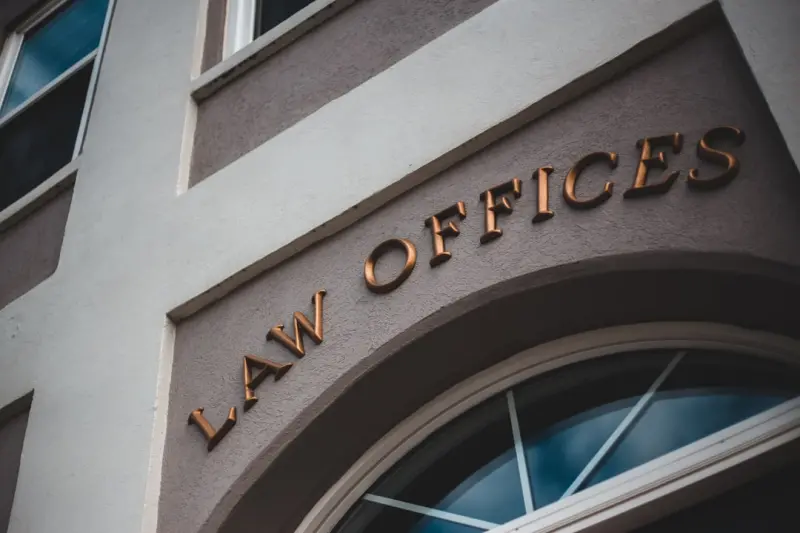
Why Your Traditional Trust Is No Longer Enough in a Connected World
When I first started advising high‑net‑worth families, the conversation revolved around real estate, stocks, and the occasional family business. Fast‑forward a few years, and the most valuable line items on my clients’ balance sheets are often digital: cryptocurrencies, non‑fungible tokens (NFTs), and even the intangible worth of a social media following. The legal frameworks that protected brick‑and‑mortar assets for decades are suddenly being stretched to accommodate code, keys, and cloud‑based identities.
The Digital Asset Explosion and Its Estate Planning Implications
It’s tempting to think of crypto‑coins as just another investment vehicle. In reality, they are self‑custodied assets that reside on blockchains, controlled by private keys. Lose a key, and the asset vanishes forever—no probate court can retrieve it. The same holds true for NFTs, which can represent anything from digital art to virtual real‑estate in the metaverse. If your estate plan doesn’t specifically address these assets, you risk:
- Complete loss of wealth for your heirs.
- Prolonged probate battles as courts grapple with unfamiliar technology.
- Unintended tax consequences due to mischaracterization of the assets.
In short, the traditional “will and trust” combo is increasingly being treated like an antique map for navigating a modern metropolis.
Why Conventional Wills Fall Short
Most wills are drafted with a general language that assumes assets are tangible and transferable through traditional channels. Digital assets, however, often require:
- Explicit authorization to access private keys. Courts cannot compel a third‑party custodian to hand over a key without clear instructions.
- Designated custodial arrangements. A trusted individual or a professional service must be empowered to manage the asset safely.
- Specific tax treatment guidance. Cryptocurrencies can be taxed as property, leading to capital gains implications at the moment of transfer.
Without these details, your heirs may inherit a paper trail but no way to actually claim the wealth.
Building a Digital Asset Trust: A Step‑by‑Step Blueprint
Here’s a practical framework I’ve refined for clients who want to future‑proof their estates.
- Inventory Every Digital Holding. List wallets, exchanges, NFT marketplaces, and any online accounts with monetary value. Include usernames, email addresses, and two‑factor authentication (2FA) details.
- Classify the Asset. Determine whether each item is a security, a collectible, or a utility token. This classification dictates the tax regime and the level of fiduciary oversight required.
- Choose the Right Trust Vehicle. A revocable living trust works for most assets, but for high‑risk holdings, a special purpose digital asset trust—often a separate entity with limited liability—offers added protection.
- Draft Precise Access Instructions. Use clear language: “The Trustee shall obtain the private key for wallet X by contacting the designated custodian, ABC Custody Services, and shall transfer the assets to the Beneficiary’s newly created wallet within 30 days of my death.”
- Integrate Tax Planning. Align the trust’s distribution schedule with the most tax‑efficient timing. For instance, staggering crypto distributions over multiple years can mitigate capital gains spikes. For deeper insight on how tax structures can be optimized, see our tax landscape analysis.
- Appoint a Tech‑Savvy Trustee. Not every fiduciary understands blockchain. Choose a trustee with proven technical competence or a professional digital asset management firm.
- Plan for Succession of Access. Include a “digital key escrow” clause, where the private key is stored with a third‑party escrow service that releases it only upon verified death certification.
- Review and Update Annually. The digital world evolves rapidly; new tokens, platforms, and regulatory guidance appear each quarter.
AI‑Generated Wills: Convenience Meets Caution
Artificial intelligence has entered the estate planning arena, offering template‑driven, “do‑it‑yourself” wills at a fraction of the cost. While AI can accelerate the drafting process, it also introduces pitfalls:
- Lack of Personalization. AI may miss nuances like family dynamics, charitable intentions, or the unique handling required for digital assets.
- Regulatory Uncertainty. Many jurisdictions still lack clear statutes on the validity of electronically signed, AI‑generated documents.
- Security Risks. Uploading sensitive information to a cloud‑based AI platform could expose your data to breaches.
My advice? Use AI as a research tool—not as a final author. Draft the skeleton with AI, then bring a qualified attorney—preferably one familiar with both trusts & estates and emerging tech—to polish and validate the document.
Cross‑Border Digital Assets and the Tax Maze
High‑net‑worth individuals increasingly hold assets across multiple jurisdictions. A crypto wallet hosted on a foreign exchange can trigger foreign tax reporting, and the same applies to NFTs purchased on overseas marketplaces. Navigating these obligations is a specialty in its own right. For a broader view of how cross‑border tax compliance can become tangled, check out our piece on cross‑border tax compliance. The same principles—understanding nexus, reporting thresholds, and withholding rules—apply when your estate includes digital holdings scattered around the globe.
Pet Trusts: Securing the Future of Your Furry Companions
Pet trusts have surged in popularity, and for good reason. They allow you to allocate funds, appoint a caretaker, and set guidelines for the ongoing care of your beloved animals. When combined with a digital asset trust, you can even fund a pet’s needs with a steady stream of crypto‑generated income, ensuring that your pet’s lifestyle remains consistent with the one you provided in life.
Purpose Trusts and ESG: Aligning Wealth with Values
Beyond financial security, many families are eager to embed their values into their legacy. Purpose trusts—structures designed to pursue a specific charitable, environmental, or social objective—offer a way to lock in a mission for generations.
Consider a family that owns a sizable portfolio of renewable‑energy tokens. By establishing a purpose trust that earmarks a percentage of token yields for climate‑action projects, the family not only preserves wealth but also creates a measurable impact aligned with their ESG goals.
Practical Checklist: Updating Your Trust for the Digital Age
Use this quick‑reference list to ensure your estate plan stays current:
- ✔️ Conduct a comprehensive digital asset inventory.
- ✔️ Verify that your trust language explicitly addresses private key access.
- ✔️ Confirm that your trustee has the technical expertise to manage blockchain assets.
- ✔️ Review tax classifications for each digital holding.
- ✔️ Incorporate a digital key escrow arrangement.
- ✔️ Add provisions for AI‑generated documents, emphasizing attorney review.
- ✔️ Include a pet trust clause if applicable.
- ✔️ Align any purpose or ESG trusts with your broader family mission.
- ✔️ Schedule an annual review with your legal and tax advisors.
Conclusion: The Time to Future‑Proof Your Estate Is Now
The legal landscape is catching up to the digital revolution, but you don’t have to wait for courts to set precedents. By proactively integrating digital asset strategies, AI considerations, and purpose‑driven provisions into your trust, you safeguard not only your wealth but also the values you hold dear.
If you’re uncertain where to start, I’m always happy to walk you through a personalized audit. The goal is simple: create a digital fortress that protects your legacy across both physical and virtual realms.

Liam James Professor with a PHD. & content creator with a passion for sparking curiosity and sharing knowledge. Driven by the joy of learning and storytelling, I bring ideas to life in every project. Always exploring, always teaching.
Related Posts

Navigating the New Frontier: NFTs, Virtual Real Estate, and Your Legacy
A deep dive into integrating NFTs, virtual land, and other digital collectibles into trusts, coverin... Read More

Why Family Trusts Are the Secret Weapon for Multi‑Generational Wealth
A deep dive into why family trusts outperform wills, offering tax efficiency, asset protection, and ... Read More
Reimagining Trusts for the Digital Age: Safeguarding Data, AI Assets, and Virtual Identities
A forward‑looking guide to integrating digital assets, AI‑generated income, and virtual identiti... Read More
Top Posts

Navigating Liability in the Age of Tele‑Health, AI Diagnostics, and Data Privacy
Medical law now grapples with cross‑state tele‑health licensing, AI‑driven diagnostic errors, and complex data‑privacy consent. This article breaks down...Read More

Digital Asset Trusts: Safeguarding Crypto and NFTs in Modern Estate Planning
Digital assets are reshaping wealth, and traditional trusts aren’t enough. This post outlines why digital asset trusts are essential, how to structure them, a...Read More
Deepfakes on Trial: How the Law Is Catching Up with Synthetic Media
Deepfakes are reshaping the legal landscape, from defamation and privacy to election interference. This post breaks down emerging statutes, liability debates, a...Read More

Inside the Lens: How Body Camera Footage Is Rewriting Personal Injury Law
Body‑camera footage is rapidly becoming a cornerstone of personal injury litigation, offering objective, time‑stamped evidence that can tilt settlements and...Read More
0 Comments
Post Comment
You will need to Login or Register to comment on this post!