

In the quiet moments between courtroom battles and client consultations, I often find myself staring at the latest headline about a new forensic breakthrough or a legislative tweak that promises to tighten the net around crime. The excitement is palpable, but so is a lingering unease. As a criminal defense attorney who has spent decades navigating the gray zones of law, I’ve watched technology evolve from a peripheral curiosity into a central pillar of the justice system. Today, I want to pull back the curtain on one of the most profound—and contentious—shifts: the integration of genetic data into policing and prosecution.
The All‑Seeing Double Helix
When I first heard about the concept of a national DNA database, I thought of the classic detective story: a lone officer matching a blood spatter to a suspect. Fast forward to the present, and the reality is far more expansive. Law enforcement agencies now collect DNA not only from convicted felons but also from arrestees, volunteers, and, in some jurisdictions, even from discarded items found in public spaces. The promise is clear—accelerated identification, cold‑case breakthroughs, and, ostensibly, a safer society.
Yet, each strand of DNA is a repository of intimate personal information: ancestry, predisposition to certain diseases, even familial relationships. The question that haunts me is whether the pursuit of security is eclipsing the fundamental right to privacy enshrined in our Constitution.
Legal Precedents: From Maryland v. King to the Present
The Supreme Court’s decision in Maryland v. King gave police a green light to collect DNA from individuals arrested for serious offenses. While the ruling was framed around “identifying suspects,” it opened a Pandora’s box of downstream implications. Since then, state legislatures have raced to expand the scope of collection, often without robust public debate.
What’s striking is the lack of consistent standards across states. Some require a conviction before a DNA profile is entered; others accept an arrest. A few allow retroactive uploads from old case files, effectively turning the database into a living archive that grows even after the original investigation has closed. This patchwork approach makes it difficult for defendants to anticipate whether their genetic information might surface in an unexpected corner of the legal system.
Privacy versus Public Safety: The Balancing Act
Proponents argue that a comprehensive DNA repository is a powerful tool for solving crimes that would otherwise remain cold. The case of the “Golden State Killer” is frequently cited—a triumph of genetic genealogy that brought closure to victims after decades of silence. However, this success story is the tip of an iceberg that includes less glamorous, and potentially more troubling, uses.
Imagine a scenario where a suspect’s DNA is matched to a relative who has never been on law‑enforcement’s radar. Suddenly, an innocent person finds themselves under investigation simply because of a family tie. The ripple effect raises questions about guilt by association and the ethical boundaries of familial searching.
Moreover, the potential for misuse extends beyond criminal investigations. Private companies already offer direct‑to‑consumer genetic testing, and the data they collect could, under certain circumstances, be subpoenaed or accessed through legal loopholes. The line between a tool for public safety and a weapon for surveillance becomes alarmingly thin.
Predictive Policing and Algorithmic Bias
Genetic data is only one piece of the broader technological puzzle reshaping criminal law. Predictive policing platforms now ingest a multitude of data points—crime statistics, social media activity, even weather patterns—to forecast where crimes might occur. While these tools promise efficient allocation of resources, they also risk perpetuating existing biases.
When algorithms are trained on historical data that reflects past over‑policing of certain neighborhoods, the output can create a feedback loop: more police presence leads to more arrests, which then feeds the algorithm with more data confirming its original bias. The result is a self‑fulfilling prophecy that undermines the fairness of the criminal justice system.
To illustrate how technology can simultaneously empower and endanger civil liberties, consider the rise of new criminal enterprises that operate like subscription services. These illicit operations leverage sophisticated platforms to sell illicit tools and services on a recurring‑basis, blurring the line between victim and perpetrator. While the criminal law community grapples with how to prosecute these novel offenses, the same predictive tools that help police anticipate traditional crimes may be co‑opted to anticipate the next wave of digital wrongdoing, further complicating the ethical landscape.
The Courtroom Challenges of Synthetic Evidence
Another frontier that intersects with genetic data is the advent of synthetic media—deepfakes, AI‑generated audio, and manipulated video. While my focus today is DNA, it’s impossible to ignore the broader trend of technologically engineered evidence. In recent cases, defense teams have had to dissect the authenticity of a video that appeared to show a defendant at a crime scene, only to discover it was a courtroom challenge posed by synthetic media. The stakes are high: a single misstep in evaluating such evidence can tip the scales of justice.
This confluence of genetic data and synthetic evidence underscores a critical point—our legal doctrines, many of which were drafted in an era before DNA sequencing, are now being forced to adapt to technologies they could never have anticipated. The doctrine of “best evidence” now demands expertise in molecular biology and computer science alike.
Policy Recommendations: Charting a Responsible Path Forward
Given the complexity of these issues, I propose a set of pragmatic steps that legislators, law‑enforcement agencies, and the courts can adopt to safeguard both security and liberty:
- Uniform Standards for DNA Collection: Establish clear, nationwide criteria that limit DNA collection to individuals convicted of serious offenses, with stringent safeguards for any data retained from arrestees.
- Strict Limits on Familial Searching: Require a court order before investigators can extend a DNA match to relatives, ensuring due process and protecting innocent family members.
- Transparent Algorithms: Mandate that predictive policing tools disclose their data sources, weighting mechanisms, and error rates, allowing independent audits for bias.
- Robust Oversight Bodies: Create independent commissions with the authority to review DNA database practices, handle complaints, and enforce compliance.
- Defendant Access to Genetic Evidence: Guarantee that defendants have the right to access, challenge, and, if necessary, request the destruction of any genetic material held by the state.
- Training for Legal Professionals: Incorporate genetic literacy and digital forensics into continuing legal education, ensuring that attorneys can competently argue cases involving complex scientific evidence.
Implementing these measures won’t eliminate the tension between safety and privacy, but it will provide a structured framework that respects constitutional protections while still leveraging the undeniable benefits of scientific advancement.
Looking Ahead: The Future of Criminal Law in a Genomic Age
The integration of DNA into criminal investigations is still in its early chapters. As sequencing becomes faster, cheaper, and more pervasive, we can anticipate a future where a simple swipe of a phone could reveal a person’s genetic profile, linking them to a crime scene in real time. Such a reality forces us to confront uncomfortable questions: Will we accept a world where our biological code is a public ledger? Or will we erect robust walls to protect the sanctity of our genetic privacy?
My hope, as someone who has spent a lifetime defending the rights of the accused, is that the answer lies somewhere in the middle—a balanced approach that harnesses technology’s power without surrendering our core liberties. The law has always been a living organism, evolving to meet the challenges of its time. It is now our responsibility to ensure that evolution is guided by reason, transparency, and an unwavering commitment to justice.
In the end, the story of genetic data in criminal law is still being written. It will be shaped by legislators, technologists, judges, and, importantly, the public who must stay informed and engaged. Only then can we craft a future where the promise of science enhances, rather than erodes, the principles that underpin a free and fair society.

Related Posts

Bail Reform and the Future of Pretrial Detention
A deep dive into bail reform’s promises, challenges, and future, highlighting impacts on marginali... Read More

Beyond the Badge: How Digital Forensics Is Redefining Criminal Law
The article examines the transformative impact of digital forensics, artificial intelligence, and da... Read More
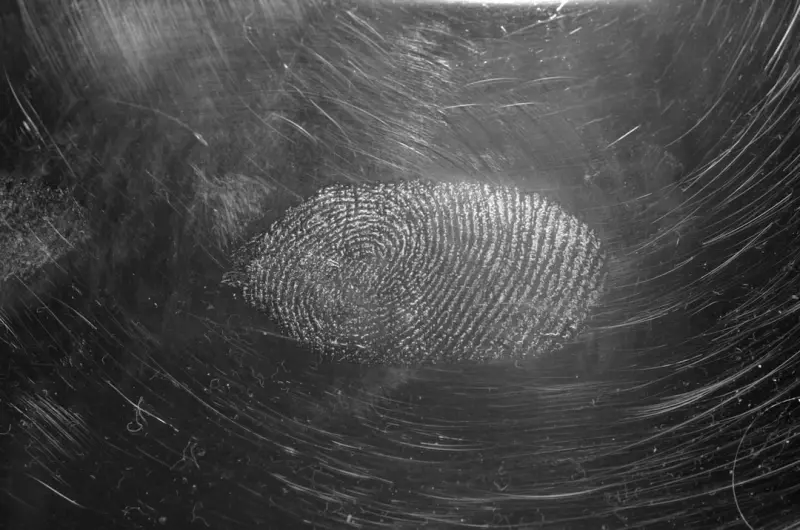
When Fingerprints Lie: The Criminal Law Battle Over Biometric Spoofing
Biometric spoofing is emerging as a powerful tool for fraudsters, forcing criminal law to evolve. Th... Read More
Top Posts

When Cyber Insurance Meets the Law: Protecting Your Business from Coverage Pitfalls
A deep dive into cyber‑insurance contracts, covering hidden exclusions, claim‑handling, and actionable steps to ensure your coverage truly works when a brea...Read More

Navigating Today’s Employment Law Minefield: What Workers and Employers Must Know
A deep dive into the fast‑changing world of employment law, covering remote work, employee classification, wage rules, harassment, privacy, benefits, and liti...Read More
Navigating High‑Conflict Child Custody: A Practical Guide for Resilient Parents
High-conflict custody fights can feel overwhelming, but with a clear roadmap—covering communication, legal safeguards, and emotional support—you can protect...Read More

AI, Telehealth & Liability: The New Frontier in Medical Law
A deep dive into how AI-driven diagnostics, cross‑border telemedicine, and privacy‑by‑design reshape liability and consent in modern medical law, offering...Read More
0 Comments
Post Comment
You will need to Login or Register to comment on this post!