
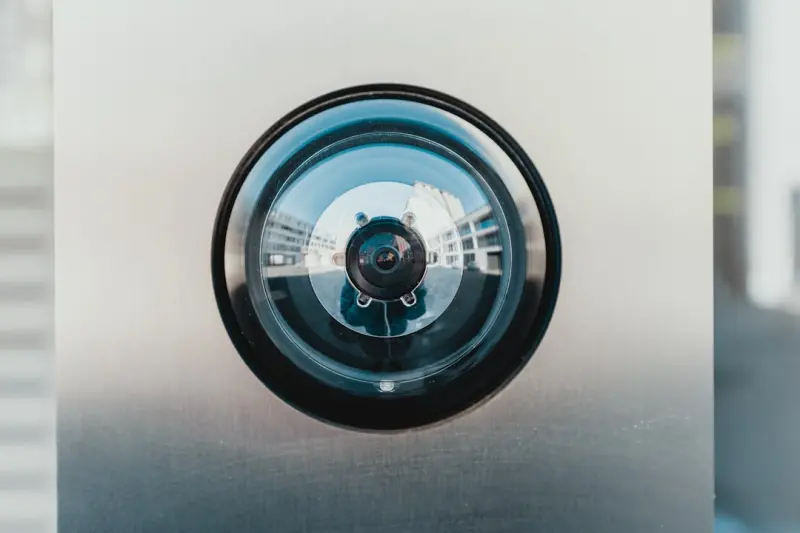
Inside the Lens: How Body Camera Footage Is Rewriting Personal Injury Law
When I first walked onto the scene of a downtown sidewalk accident three years ago, the only visual record I had was a grainy photo taken on a commuter’s phone. The image was blurry, the lighting was poor, and the perspective offered little help in reconstructing what really happened. Fast forward to today, and a single, high‑definition body‑camera clip can turn that same ambiguous scene into a crystal‑clear narrative that speaks louder than any witness testimony.
Body‑worn cameras, once the exclusive domain of law enforcement, have surged into the public sphere. Ride‑share drivers, construction workers, delivery cyclists, and even private citizens now carry small, unobtrusive devices that automatically record interactions. For personal injury litigators, this technological diffusion is not just a curiosity—it’s a game‑changer.
The Evolution From Optional to Expected
Two trends have converged to make body‑camera footage a staple in injury cases. First, there is an industry‑wide push toward transparency. Companies such as Uber, Lyft, and DoorDash have adopted internal camera policies to protect drivers and passengers alike. Second, courts are increasingly recognizing the evidentiary weight of video, especially when it captures the “moment of impact” in real time.
In my practice, I’ve seen a shift in the pre‑litigation discovery checklist. Where we once asked for “any available surveillance footage,” we now ask, “Do any parties have body‑worn recordings of the incident?” This seemingly minor change has profound implications for case strategy, settlement negotiations, and trial preparation.
Why Video Beats Testimony (Almost Every Time)
- Objectivity. A video provides an unfiltered view of events, reducing the reliance on human memory, which is notoriously fallible.
- Chronology. Footage timestamps each frame, creating an immutable timeline that can confirm or refute claims about speed, distance, or sequence.
- Emotional Impact. Judges and juries respond viscerally to visual evidence. A well‑framed clip of a driver’s reckless lane change can sway a verdict more effectively than a written police report.
- Discovery Leverage. Possessing a video can force the opposition to settle early, fearing that the clip will undermine their defense.
That said, video is not a silver bullet. Poor lighting, obstructed angles, or missing audio can dilute its power. Moreover, the legal admissibility of footage hinges on authentication, chain‑of‑custody, and privacy considerations. Understanding these nuances is where a seasoned attorney can turn a raw clip into courtroom gold.
Authentication: Proving the Video Is What It Claims to Be
Courts demand a clear chain‑of‑custody. Who recorded the video? Was the device tampered with? Was the footage edited? In most jurisdictions, a sworn declaration from the camera operator, coupled with metadata from the device, satisfies the authentication requirement.
Take the case of a delivery cyclist who recorded an intersection collision with a delivery van. The cyclist’s device logged GPS coordinates, timestamps, and an automatic checksum that confirmed the file’s integrity. When the defense attempted to question the clip’s authenticity, the cyclist’s sworn affidavit and the device’s metadata proved decisive, leading the judge to admit the evidence without objection.
Privacy Pitfalls and the “Reasonable Expectation” Standard
Even if a video is technically admissible, privacy concerns can still arise. The “reasonable expectation of privacy” test varies by jurisdiction. For example, recording in a private home without consent is typically prohibited, whereas public spaces are generally permissible.
One recent lawsuit involved a rideshare driver who recorded a passenger’s injury inside the vehicle. The passenger argued that the interior of a private vehicle is a space where they have a reasonable expectation of privacy. The court ultimately ruled that because the driver’s camera was disclosed in the rideshare app’s terms of service, the expectation was diminished, and the video was admissible.
Strategic Use of Body‑Camera Footage in Settlement Talks
Beyond trial, video can be a powerful negotiation lever. The visual certainty it provides often forces insurers to reassess the risk of a trial. In a recent case involving a construction site injury, the plaintiff’s attorney presented a clip showing a foreman ignoring a safety protocol sign. The insurer, faced with undeniable proof, offered a settlement that was 35 % higher than their initial offer.
When negotiating, it’s essential to frame the footage not just as evidence but as a narrative device. Highlight the human element—pain, confusion, the split‑second decisions—that a static report cannot convey. This storytelling approach resonates with both legal teams and the human decision‑makers behind insurance desks.
Integrating Video with Other Modern Evidence
Body‑camera footage rarely stands alone. It works best when combined with other data sources—telemetry from vehicle black boxes, GPS logs, and even AI‑driven analytics that reconstruct impact forces.
For instance, in a multi‑vehicle pile‑up on a highway, the plaintiff’s lawyer secured dash‑cam footage from a passing truck, the driver’s body‑camera clip from a nearby police officer, and the vehicle’s Event Data Recorder (EDR) logs. By cross‑referencing these sources, we built a precise reconstruction that demonstrated the defendant’s failure to maintain a safe following distance.
The Rise of “On‑Demand” Video Review Platforms
Technology providers now offer cloud‑based platforms where parties can upload, tag, and share video evidence securely. These platforms often include AI tools that flag relevant frames, detect motion, and even transcribe audio. While some attorneys remain skeptical of AI’s role, the efficiency gains are undeniable.
One firm I consulted with integrated an on‑demand video review service into its workflow. The platform reduced the time spent reviewing hours of footage from days to minutes, allowing attorneys to focus on strategic analysis rather than manual scrubbing.
Challenges and Pitfalls to Watch Out For
- Technical Glitches. Low‑light conditions or motion blur can render a clip unusable. Always request multiple angles when possible.
- Chain‑of‑Custody Gaps. If the device’s storage is wiped or the file is transferred without proper documentation, the defense can move to suppress the evidence.
- Selective Disclosure. Opposing counsel may argue that the video has been edited. Be prepared to produce the original file and a forensic analysis.
- Overreliance. Remember that video is a piece of the puzzle, not the whole picture. Corroborate with witness statements, medical records, and expert testimony.
Future Outlook: The Convergence of Wearables and AI
The next frontier isn’t just more cameras—it’s smarter cameras. Wearable devices equipped with accelerometers, heart‑rate monitors, and AI that can flag anomalous movements in real time are already on the market. Imagine a scenario where a cyclist’s smartwatch records a sudden impact, triggers an automatic video capture, and sends the data to the plaintiff’s attorney in real time.
This convergence will further tilt the evidentiary balance toward plaintiffs, but it also raises new legal questions about data ownership, consent, and the scope of discovery. Staying ahead of these developments will be essential for any attorney who wishes to remain competitive in personal injury litigation.
Practical Checklist for Attorneys
- Identify Potential Video Sources Early. Ask clients about any devices that may have recorded the incident.
- Preserve the Original Files. Secure the raw footage before anyone edits or compresses it.
- Gather Metadata. Extract timestamps, GPS coordinates, and device identifiers.
- Secure Affidavits. Have the camera operator provide a sworn statement regarding the recording.
- Analyze with Experts. Use forensic video analysts to verify authenticity and enhance clarity.
- Integrate with Other Evidence. Combine video with EDR data, medical records, and eyewitness accounts.
- Leverage in Settlement. Use the narrative power of video to negotiate from a position of strength.
- Stay Updated on Privacy Law. Monitor changes in state and federal privacy statutes that affect admissibility.
Conclusion: The Lens Is Now Part of the Toolbox
Body‑camera footage is no longer a novelty; it’s a core component of modern personal injury practice. When used wisely, it can illuminate the truth, accelerate settlements, and secure justice for injured parties. As technology continues to embed itself in everyday life, attorneys who master the art and science of video evidence will not just survive—they’ll lead the field.
Whether you’re a seasoned litigator or just starting your practice, embracing this visual revolution is essential. The next time you walk onto a scene, remember that the story might already be captured in high definition, waiting for you to bring it to life in the courtroom.

Steven McClurry is a freelance writer. He loves to write controversial topics and on a wide rang of topics. When is not online he is hanging out at his college campus or playing online games.
Related Posts

Micro‑Mobility Meets Personal Injury: What Every Rider Should Know
Micro‑mobility devices like e‑scooters and bike‑shares are reshaping transportation, but they ... Read More

When Drones Crash: Personal Injury Law Takes Flight
A deep dive into how the rise of autonomous drones is challenging traditional personal injury law, c... Read More

Beyond the Bruise: Uncovering Hidden Costs in Personal Injury Cases
Discover how minor injuries can lead to hidden long‑term costs and why a strategic legal approach ... Read More
Top Posts
Navigating the New Frontier of Insurance Laws
Insurance law is evolving fast with climate risk, cyber threats, and autonomous tech driving new regulations. Learn practical steps to stay compliant and protec...Read More

When Data Becomes Evidence: Modern Financial Forensics in Divorce
A deep dive into how modern technology—from AI‑driven forensic accounting to digital asset trusts—transforms the financial side of divorce, offering pract...Read More

When the Home Office Becomes a Hazard Zone: Personal Injury Law in the Remote‑Work Era
The rise of remote work has turned kitchens and spare rooms into daily workplaces, spawning a wave of personal injury claims. This article breaks down employer ...Read More

When Facial Recognition Meets the Law: Navigating Privacy in a Biometric Age
A deep dive into the legal landscape of facial recognition, covering global regulations, corporate risks, recent lawsuits, and practical steps to protect biomet...Read More
0 Comments
Post Comment
You will need to Login or Register to comment on this post!