

When the Home Office Becomes a Hazard Zone: Personal Injury Law in the Remote‑Work Era
It’s hard to believe that a decade ago the phrase “working from home” sounded like a perk reserved for the ultra‑elite. Today, millions of professionals log on from kitchen tables, spare rooms, and even coffee‑shop corners. While the flexibility is a win for work‑life balance, it has also opened a new frontier for personal injury claims that many employers—and employees—still don’t fully understand.
In my ten‑plus years as a personal injury attorney, I’ve watched the landscape shift dramatically. From classic slip‑and‑fall cases on office carpets to ergonomic injuries sustained on makeshift desks, the legal terrain is evolving faster than the furniture‑assembly manuals that accompany our home‑office setups.
Why Remote‑Work Injuries Are Different
Traditional workplace injury claims rely on a well‑defined employer‑controlled environment. The employer knows the layout of the office, the exact placement of equipment, and the safety protocols that have been communicated to staff. Remote work, however, scatters that control across thousands of living rooms, each with its own quirks.
Here are three ways remote work throws a wrench into the usual personal injury calculus:
- Lack of Uniform Safety Standards: There’s no “ OSHA‑approved” home office checklist that every employer can enforce. What counts as a safe chair in a corporate setting may be a reclaimed dining chair in a client’s apartment.
- Blurry Lines of Liability: When a worker trips over a rug in their own home, is the employer responsible? Courts are still wrestling with the “negligent entrustment” doctrine in the context of remote setups.
- Technology‑Driven Risks: Video‑conferencing fatigue, eye strain from prolonged screen time, and even injuries caused by smart‑home devices are emerging as claim catalysts.
Common Personal Injury Claims from the Home Office
Below is a non‑exhaustive list of the injuries I’ve seen surface more frequently in the remote‑work era:
- Ergonomic Injuries: Carpal tunnel syndrome, chronic back pain, and neck strain caused by poorly positioned monitors or makeshift workstations.
- Trip & Fall Incidents: Cables, rugs, and cluttered spaces leading to sprains, fractures, or even traumatic brain injuries.
- Electrical Hazards: Overloaded power strips or faulty home wiring causing shocks, burns, or fires.
- Dog‑Bite or Pet‑Related Injuries: While seemingly trivial, a bite that occurs during a video call can result in medical expenses and emotional distress claims.
- Eye Strain & Vision Damage: Prolonged exposure to blue‑light screens without adequate breaks.
How Courts Are Interpreting Employer Responsibility
One of the biggest challenges for both plaintiffs and defendants is deciphering how traditional doctrines apply when the “workplace” is a client’s living room. Recent case law shows a split in judicial approaches:
- “Control Theory” Courts: Some judges focus on whether the employer exercised control over the environment. If the employer mandated specific equipment (e.g., a company‑provided ergonomic chair), they may be on the hook for injuries stemming from that equipment.
- “Foreseeability” Courts: Other courts look at whether the employer could have reasonably foreseen the risk. For instance, if a company required employees to log in via a particular video‑conferencing platform known to cause eye strain, foreseeability may be established.
The inconsistency makes it essential for both employers and employees to adopt proactive strategies that minimize risk and clarify responsibilities.
Preventative Measures: A Roadmap for Employers
Below is a practical checklist that I recommend to any business with a remote workforce. Implementing these steps can dramatically reduce the likelihood of a personal injury claim—and protect you from costly litigation.
- Conduct a Remote‑Work Safety Assessment: Use virtual walkthroughs or self‑assessment questionnaires to identify hazards in each employee’s home setup.
- Provide Ergonomic Resources: Offer stipends for ergonomic chairs, standing desks, or monitor risers. A small investment now can save thousands in future settlements.
- Establish Clear Policies on Equipment Use: If you supply devices, include safety instructions and maintenance guidelines. Conversely, if employees use personal equipment, set minimum standards and require periodic checks.
- Implement Mandatory Breaks: Encourage the “20‑20‑20” rule (every 20 minutes, look at something 20 feet away for 20 seconds) to combat eye strain and mental fatigue.
- Offer Training on Home‑Office Safety: Host webinars that cover topics like proper cable management, fire safety, and the correct setup of video‑conference lighting.
- Secure Adequate Insurance Coverage: Review your workers’ compensation policy and consider supplemental coverage for remote‑work injuries. The insurance‑as‑a‑service legal essentials article offers insight into tailoring coverage for modern workplaces.
Employee Best Practices: Protecting Yourself While Working From Home
Even with employer safeguards, employees hold the primary responsibility for maintaining a safe workspace. Here are actionable tips to keep yourself out of the injury line‑up:
- Invest in a Proper Chair: A supportive, adjustable chair isn’t a luxury; it’s a necessity for spinal health.
- Set Up an Ergonomic Workstation: Position your monitor at eye level, keep wrists neutral, and use a keyboard tray if possible.
- Keep Cables Organized: Use zip ties or cable organizers to prevent tripping hazards.
- Maintain a Clean Work Area: Declutter the floor and keep the space free of obstacles.
- Stay Informed About Equipment: If you receive a company laptop, read the safety manual. Report any defects immediately.
- Document Your Setup: Take photos of your workstation. In the event of an injury, visual evidence can support your claim or defend you against liability.
The Role of Technology in Mitigating Risks
Paradoxically, the same tech that fuels remote work also offers tools to reduce injury risk. For example, predictive automation can monitor posture through webcam analytics and prompt users to adjust. While this technology is still in its infancy, early adopters report a measurable drop in musculoskeletal complaints.
Wearable devices that track movement, heart rate, and even exposure to blue light are becoming more affordable. When integrated with corporate wellness platforms, these wearables can generate real‑time alerts—preventing an ergonomic issue from escalating into a full‑blown injury.
When Injuries Do Occur: Navigating the Claim Process
Should you sustain an injury, understanding the claim pathway is critical. Here’s a step‑by‑step guide:
- Seek Immediate Medical Attention: Prompt treatment not only safeguards your health but also creates essential documentation.
- Report the Incident: Notify your employer in writing as soon as possible, detailing the circumstances and any equipment involved.
- Document Everything: Preserve medical records, photos of the injury site, and any correspondence with your employer.
- Consult a Personal Injury Attorney: Early legal counsel can help you assess liability and preserve evidence.
- File a Workers’ Compensation Claim (if applicable): Some states extend workers’ comp coverage to remote employees; verify your eligibility.
- Consider a Separate Personal Injury Lawsuit: If employer negligence is evident—such as providing defective equipment—a personal injury suit may be appropriate.
Remember, statutes of limitations vary by jurisdiction. Delaying action can jeopardize your right to compensation.
Future Outlook: Will Remote‑Work Injuries Remain a Legal Hotspot?
As remote work solidifies its place in the modern economy, the legal community will continue to grapple with the gray areas of liability. I anticipate three major developments:
- Standardized Home‑Office Safety Regulations: Governments may enact legislation requiring employers to meet baseline safety standards for remote workers.
- Evolution of Workers’ Compensation: More states are likely to expand workers’ comp statutes to explicitly cover home‑office injuries.
- Increased Use of AI‑Driven Safety Tools: Companies will adopt AI that can predict ergonomic risks before they manifest, shifting liability toward technology providers.
Staying ahead of these trends is not just a legal imperative; it’s a competitive advantage. Organizations that prioritize remote‑work safety will attract top talent, reduce turnover, and avoid the costly fallout of injury claims.
Closing Thoughts
Personal injury law has always been about protecting individuals from preventable harm. The remote‑work revolution simply changes the battleground. By adopting proactive safety measures, leveraging emerging tech, and understanding the evolving legal landscape, both employers and employees can turn the home office from a potential hazard zone into a truly safe, productive space.
If you’re an employer unsure where to start, or an employee wondering about your rights after a mishap, don’t wait for the injury to become a legal nightmare. Reach out, get the facts, and protect your future—today.

Related Posts

When Delivery Robots Collide: Personal Injury Law in the Age of Autonomous Streets
A deep dive into the emerging legal complexities surrounding autonomous delivery robots, outlining l... Read More

When Drones Crash: Navigating Personal Injury Law in the Sky
Drones are no longer just a novelty; they’re a source of personal injury claims. This article brea... Read More

When Nature Strikes: Protecting Your Rights After a Disaster Injury
Discover essential steps to protect your rights and claim compensation after suffering a personal in... Read More
Top Posts

Insurance Law in 2026: AI, Climate Risk, and the Rise of Personalized Policies
In 2026, insurance law is being reinvented by AI, climate risk, and hyper‑personalized policies. Margaret Strawbridge breaks down the trends, challenges, and ...Read More

Rethinking Impaired Driving: From Human Behavior to Insurance Innovation
A fresh look at impaired driving reveals that beyond breathalyzers, we need behavioral nudges, drug‑impairment standards, insurance incentives, and community ...Read More
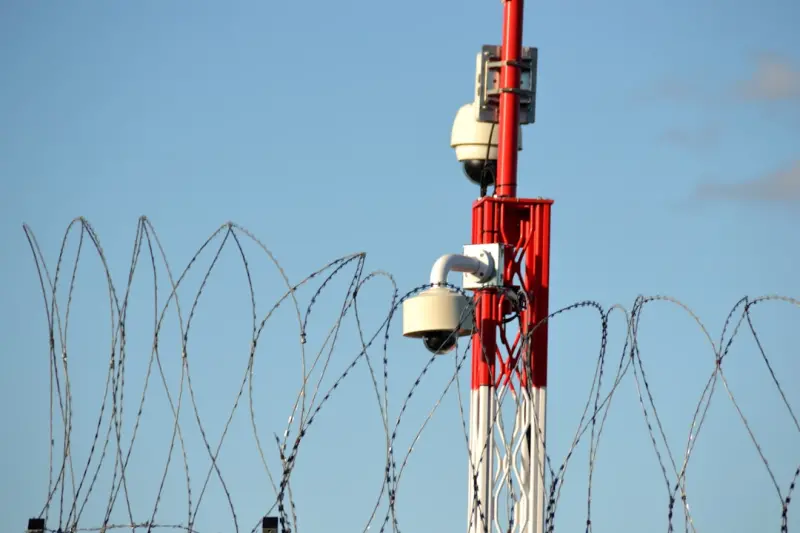
When Your Office Becomes a Surveillance Zone: Navigating Privacy Law for Employee Monitoring
A deep dive into employee monitoring, biometric data, and cross‑border privacy challenges, offering SaaS leaders a practical playbook to stay compliant while ...Read More

The Intersection of Automotive Law and Family Law: A Complex Web of Liability
The intersection of automotive law and family law can be complex. Learn how to navigate liability in car accidents and ensure fair compensation for your family ...Read More
0 Comments
Post Comment
You will need to Login or Register to comment on this post!