
The AI Wave Reshaping Underwriting
When I first drafted a policy in the early 2020s, I could still hear the faint hum of legacy rating engines struggling to keep pace with a flood of new data, but by 2026 those engines have become intelligent partners that learn, predict, and personalize in real time, turning what once felt like a static contract into a living, breathing risk profile. The convergence of generative AI, granular health data, and wearable tech has birthed underwriting models that can assess a claimant’s likelihood of loss with a confidence interval once reserved for actuarial scientists, and the ripple effect is evident in every line of coverage—from life insurance that adjusts premiums month‑by‑month based on fitness trends to property policies that factor in micro‑climate forecasts delivered by satellite‑grade AI. To understand how this data‑driven transformation aligns with broader legal shifts, I often reference the 2026 Medical Law Revolution, where similar AI‑enabled diagnostics forced courts to rethink standards of care and evidentiary burdens, a precedent that is now echoing through insurance disputes.
One of the most striking consequences of AI‑powered underwriting is the emergence of “dynamic policies,” contracts that automatically recalibrate coverage limits and deductibles as risk factors evolve, a concept that would have seemed speculative fiction a decade ago but is now a regulatory reality in several forward‑looking jurisdictions. Insurers are leveraging continuous data streams—think smart home sensors that detect water leaks the instant they occur—to trigger automatic claim settlements, effectively bypassing traditional adjuster workflows and raising fresh questions about due process and the right to a fair hearing. In my practice, I’ve seen judges grapple with the tension between efficiency and transparency, often turning to the principles outlined in the 2024 Insurance Law trends to balance innovation with consumer protections.
Yet the promise of AI does not come without ethical pitfalls; bias in training data can inadvertently skew risk assessments against protected classes, leading to a new wave of discrimination claims that demand a nuanced blend of technology expertise and civil rights law. I advise clients to embed audit clauses that require insurers to disclose model inputs and to conduct periodic fairness reviews, a strategy that not only mitigates litigation risk but also aligns with the growing legislative push for algorithmic transparency. By treating the algorithm as a joint‑venture partner rather than a black box, insurers can demonstrate good faith—a cornerstone of insurance law—while staying ahead of the regulatory curve that increasingly treats data stewardship as a core fiduciary duty.
Climate and Technology Meet in Risk Assessment
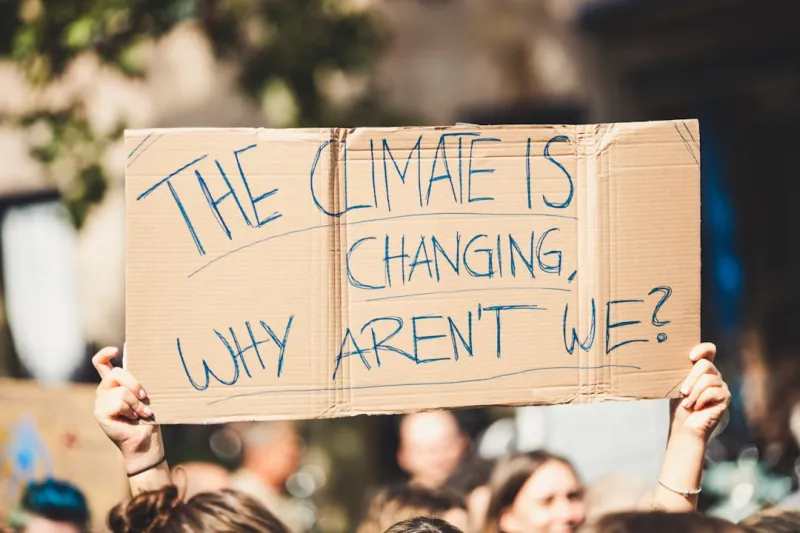
The climate crisis has forced the insurance industry to abandon the notion of “historical loss patterns” and adopt predictive analytics that incorporate real‑time environmental data, a shift that has turned climate science into a de‑facto legal discipline. Advanced geospatial modeling now maps flood exposure at the parcel level, allowing insurers to price risk with a granularity that would have been unthinkable in the era of broad, zip‑code‑based rating tables, and this hyper‑precision is reshaping reinsurance treaties that now reference climate‑adjusted loss caps instead of static aggregate limits. From my courtroom experience, I’ve observed that plaintiffs increasingly cite these models as evidence of insurer negligence, arguing that a failure to adopt the latest climate analytics constitutes a breach of the duty of utmost good faith.
Reinsurance markets, once the calm back‑stop for catastrophic events, are now demanding “climate‑adjusted” capital reserves, prompting primary insurers to partner with tech firms that specialize in AI‑driven catastrophe modeling, a partnership that raises novel contractual questions about data ownership, liability for model error, and the allocation of “model risk” among parties. I have advised clients to negotiate clear indemnification provisions that delineate responsibility for erroneous forecasts, a practice that mirrors the collaborative clauses emerging in the autonomous‑vehicle sector, as detailed in How Autonomous Vehicles Are Redefining Automotive Law in 2026. By treating the model as a third‑party service provider rather than a proprietary tool, insurers can create a contractual safety net that survives even the most unexpected climate shock.
At the consumer front, policyholders are demanding more transparency about how climate data influences their premiums, a demand that has given rise to “climate disclosure statements” embedded directly in policy documents, written in plain language to satisfy both regulatory mandates and the modern insured’s appetite for narrative‑driven communication. I encourage insurers to adopt a storytelling approach—explaining, for example, how a projected rise in sea‑level risk translates into a $150 increase in annual premium—because courts have begun to treat clarity of disclosure as a key factor in determining bad‑faith violations. This narrative focus not only reduces the likelihood of litigation but also builds trust, positioning insurers as partners in climate resilience rather than mere profit‑seeking entities.
Litigation and Consumer Power in 2026
Litigation trends in insurance law have pivoted dramatically toward data‑centric disputes, where the battleground is often a cloud‑based claims database rather than a traditional courtroom archive, and this shift demands that lawyers become fluent in both legal doctrine and data analytics. Bad‑faith claims now frequently hinge on whether an insurer’s AI engine flagged a claim as “low‑risk” without human review, prompting plaintiffs to subpoena algorithmic decision logs under the newly‑adopted Insurance Data Transparency Act, a statute that I helped shape through advisory panels and that mandates real‑time access to model outputs for any contested claim. In practice, this has transformed the discovery process into a forensic data excavation, where expert witnesses must decode model weights, feature importance, and confidence intervals to establish whether the insurer acted reasonably.
- Key litigation hotspots include:
- AI‑driven denial of coverage for emerging risks (e.g., cyber‑theft, climate‑induced loss).
- Disputes over dynamic policy adjustments that retroactively affect settled claims.
- Consumer class actions alleging systematic bias in underwriting algorithms.
Simultaneously, the rise of “policy marketplaces”—digital platforms that allow consumers to compare and purchase micro‑policies on demand—has democratized access but also introduced new avenues for consumer empowerment and, consequently, for legal challenges. These platforms often bundle standard policy language with algorithmically generated risk scores, and when a score appears to contradict a user’s self‑reported data, the consumer can trigger an instant “appeal” workflow that forces the insurer to provide a human‑readable justification, a feature that courts have praised as a modern embodiment of the right to explanation. My advice to insurers is to embed clear escalation pathways and to train claim adjusters in narrative communication, because the ability to tell a coherent, empathetic story about why a claim was denied can be the difference between a dismissed case and a costly settlement.
Looking ahead, I see three forces converging to define the next era of insurance law: the relentless march of AI, the escalating urgency of climate risk, and a consumer base that refuses to accept opaque, one‑size‑fits‑all contracts. Lawyers who can translate complex data into compelling legal arguments, who can draft contracts that anticipate algorithmic error, and who can champion transparent, narrative‑driven disclosures will not only protect their clients from litigation but will also help shape a market where technology serves the human story rather than eclipsing it. In 2026, the most successful insurers will be those that view the law as a collaborative partner in innovation, embracing the very tools that once threatened to render traditional practices obsolete.

Kris M. Chen is a dedicated legal paralegal based in Texas, specializing in delivering comprehensive case management and litigation support. Known for a meticulous approach to legal research and document preparation, Kris plays a vital role in navigating complex legal workflows and ensuring seamless trial preparation.
Related Posts

The Interplay Between Insurance Law and Family Dynamics: A Complex Web of Rights and Responsibilities
The relationship between insurance law and family dynamics is multifaceted. Learn how family dynamic... Read More

Insurance Law in 2024: Trends, Tech, and the Human Story
Margaret Strawbridge breaks down the biggest 2024 insurance law trends, from AI‑driven underwritin... Read More
Smart-Contract Insurance: Legal Shifts You Can’t Ignore
Smart contracts are turning insurance policies into executable code, redefining underwriting, claims... Read More
Top Posts

The Intersection of Medical Law and Family Dynamics: A Complex Web of Rights and Responsibilities
The intersection of medical law and family dynamics is a complex web of rights and responsibilities. Understanding this intersection is crucial for families, he...Read More

The Digital Shift in Child Custody: What Parents Need to Know
Explore the impact of technology on child custody battles, including digital evidence, virtual visits, and co‑parenting apps, and get practical tips to safegu...Read More

Short‑Term Rentals vs. Historic Preservation: Legal Playbook
Short‑term rentals offer lucrative income for owners of historic buildings, but they also raise legal challenges with preservation ordinances. This guide outl...Read More

The Complex World of Divorce: Understanding the Challenges and Opportunities
Divorce is a complex and multifaceted issue that requires a deep understanding of the legal, emotional, and financial aspects involved. Learn how to navigate th...Read More
0 Comments
Post Comment
You will need to Login or Register to comment on this post!