

Why Medical Law Is the Hot New Frontier in 2026
In the whirlwind of post‑pandemic reform, medical law has vaulted from a niche specialty to a central arena where technology, ethics, and public policy collide, and I’m watching it from the front lines of a practice that once felt static. Patients now demand instant access to virtual care, while regulators scramble to codify consent for algorithms that can diagnose with a keystroke, forcing us to rewrite the rulebook on the fly. The surge of AI‑driven diagnostics, data‑rich wearables, and cross‑border telehealth platforms means every case feels like a live‑wire experiment, and the stakes—both legal and human—have never been higher.
The Telemedicine Tsunami and Its Legal Ripple
Telemedicine exploded in 2020, but 2026 is the year we finally see the long‑term legal scaffolding taking shape, and I’ve spent countless evenings mapping the new contours of licensure, malpractice, and privacy. States are converging on a “national telehealth compact,” yet the patchwork remains, creating a labyrinth where a doctor in New York can treat a patient in Texas but must navigate a maze of differing statutes. For a deep dive into the regulatory currents that preceded this moment, see Medical Law insights from 2024, which predicted the data‑privacy clash we’re now living through.
AI Diagnostics: Who Holds the Liability When Machines Diagnose?
When an algorithm flags a malignant tumor that a human radiologist missed, the courtroom becomes a battlefield of expertise, and I often find myself questioning whether the liability should rest on the software developer, the healthcare provider, or the institution that deployed the tool. Courts are beginning to treat AI as a “product” under traditional negligence principles, yet the line blurs when continuous learning models evolve after deployment. The conversation mirrors the challenges in autonomous vehicle regulations, where manufacturers, drivers, and regulators all share a tangled web of responsibility.
Gene Editing, CRISPR, and the New Consent Paradigm
CRISPR’s promise of curing hereditary disease has leaped from the lab to the courtroom, and I’m now drafting consent forms that must explain not only immediate risks but also the potential for germline alterations that echo through generations. The legal community is wrestling with whether traditional informed‑consent standards suffice, or if a new, layered framework is required to capture the speculative nature of gene editing. In practice, this means collaborating with bioethicists, scientists, and patient advocacy groups to forge a narrative that respects autonomy while safeguarding against unforeseen consequences.
Health Data Ownership: The Rise of Patient‑Controlled Marketplaces
Data has become the new currency of health, and patients are demanding the right to monetize their own medical records, turning hospitals into data brokers overnight. I’ve counseled hospitals on structuring data‑sharing agreements that honor the patient’s ownership rights while complying with HIPAA, GDPR, and emerging state statutes that treat health data as personal property. The tension lies in balancing innovation—like AI‑powered research platforms that rely on massive datasets—with the moral imperative to protect individuals from exploitation.
Cross‑Border Care and the Push for Harmonized Standards
Medical tourism is no longer a fringe phenomenon; it’s a global industry where a patient from Dubai can schedule a robotic surgery in Singapore with a single click, and the legal fallout of a complication can span continents. I’ve observed a growing chorus of international bodies advocating for harmonized standards, yet sovereign legal systems resist ceding control, leading to a patchwork of liability regimes. The challenge for practitioners is to draft contracts that anticipate jurisdictional quirks while ensuring continuity of care across borders.
Litigation Trends: From Classic Malpractice to Class‑Action Data Breaches
Traditional malpractice suits still dominate the docket, but a new wave of class‑action lawsuits targeting massive health‑data breaches is reshaping the insurance landscape. Insurers are responding with bespoke policies that cover cyber‑risk alongside clinical negligence, prompting lawyers to develop hybrid expertise. I find myself advising clients on both the nuances of medical negligence and the intricacies of data‑security compliance, a duality that was unimaginable a decade ago.
Future‑Proofing Your Practice: Narrative‑Driven, Tech‑Savvy Strategies
To stay ahead, medical law practitioners must adopt a narrative‑driven approach that translates complex technology into compelling stories for judges, juries, and regulators—a skill I’ve honed through relentless client collaboration. Embracing tools like AI‑assisted research, real‑time data dashboards, and immersive case simulations can turn a legal brief into a living, breathing argument. For a broader view of how narrative is reshaping legal practice, explore family law tech narrative, which offers transferable insights for our own field.

Related Posts
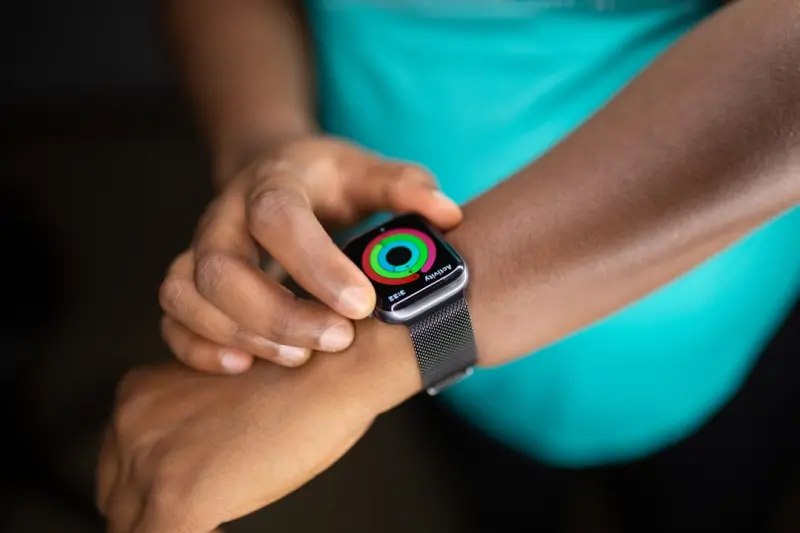
Wearable Health Tech: The Emerging Legal Landscape
Wearable health devices are reshaping medical care, but they also raise complex legal issues. This a... Read More

Navigating the Legal Labyrinth of Medical Law in 2024: An Insider’s Guide
Allison Jarvis breaks down the 2024 medical law landscape, from telehealth regulations to AI liabili... Read More

Cross‑Border Medical Tourism: Legal Pitfalls Every Provider Must Avoid
Medical tourism offers cost savings and access to cutting‑edge care, but it also brings complex le... Read More
Top Posts

The Evolution of Child Custody Laws: A Comprehensive Overview
The landscape of child custody laws has undergone significant transformations, reflecting changes in societal values, family structures, and the understanding o...Read More

Telehealth Malpractice: Navigating the New Frontiers of Medical Law
A deep dive into the evolving legal landscape of telemedicine, covering liability, licensing, consent, privacy, and actionable guidance for providers....Read More

Employment Law Trends 2024: Margaret Strawbridge’s Insider Perspective
Margaret Strawbridge breaks down the 2024 employment‑law landscape, covering AI surveillance, remote‑work classification, wage transparency, and the union r...Read More

Self-Driving Cars and the New Frontier of Personal Injury Law
The rise of self‑driving cars is redefining personal injury law, introducing complex fault theories, data‑driven evidence, and novel insurance models that l...Read More
0 Comments
Post Comment
You will need to Login or Register to comment on this post!