
Why Insurance Law Feels Like a Roller‑Coaster in 2026
Every morning I sip my coffee while scrolling through the latest AI‑driven underwriting dashboards, and I’m reminded that the insurance sector is the most dynamic legal playground on the planet right now. Regulators, insurers, and policy‑holders are all scrambling to keep pace with algorithms that can predict risk in seconds, a stark contrast to the spreadsheet‑heavy methods of a decade ago. The convergence of climate data, biometric analytics, and real‑time pricing engines means that the traditional “one‑size‑fits‑all” policy is disappearing faster than a summer snowstorm, and the law is forced to evolve in lockstep. In this post I’ll unpack the three megatrends reshaping the field and offer a roadmap for lawyers who want to stay ahead of the curve.
AI‑Powered Underwriting: From Black Box to Legal Battlefield
Artificial intelligence has moved from a promising prototype to the backbone of most underwriting decisions, and that shift is raising unprecedented legal questions. Insurers now rely on neural networks that ingest everything from social media footprints to satellite imagery, producing risk scores that are both precise and opaque. When a claim is denied based on an algorithmic decision, policy‑holders are demanding transparency, and courts are beginning to treat these “black boxes” as subject to due‑process scrutiny. I’ve seen judges in several jurisdictions require insurers to provide “explainable AI” documentation, a practice that is quickly becoming a compliance imperative. As we navigate this brave new world, the interplay between technology and liability will define the next generation of insurance law.
Climate Risk Modeling: The Legal Stakes of a Warming Planet
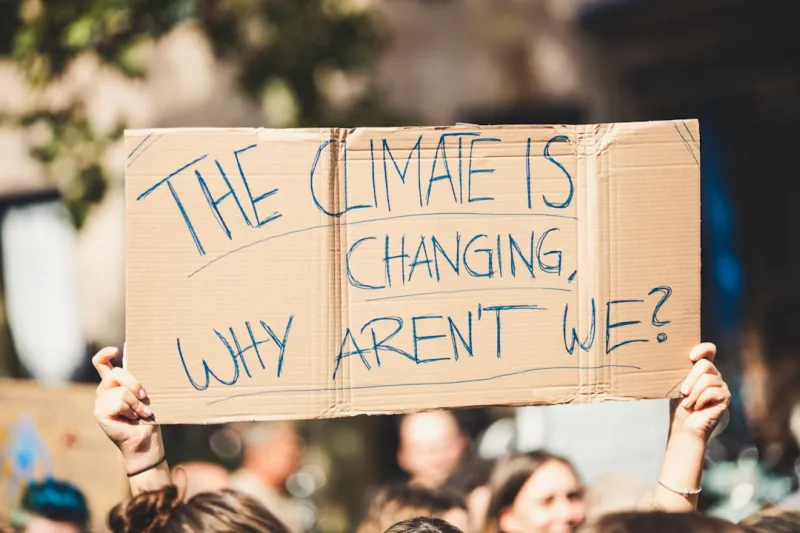
Climate change is no longer a distant threat; it’s a daily reality that insurers must quantify, price, and disclose. Advanced predictive models now incorporate sea‑level rise, wildfire frequency, and even permafrost melt to determine exposure, and the resulting premiums can swing dramatically from one year to the next. This volatility is prompting legislators to consider mandatory climate‑risk disclosures, similar to the ESG reporting mandates already in place for corporations. I recently referenced Insurance Law in 2026: Navigating AI, Climate Risk, and the Personalized Policy Revolution to illustrate how courts are holding insurers accountable for failing to adjust rates in line with emerging scientific data. The legal community must therefore master both climate science and data analytics if we are to protect consumers and sustain market stability.
Personalized Policies: The Rise of the Consumer‑Centric Contract
Gone are the days when a homeowner’s policy was a monolithic document; today, insurers craft micro‑policies that adjust in real time based on lifestyle choices, IoT sensor readings, and even driving habits. This hyper‑personalization offers unprecedented value but also creates a labyrinth of contractual terms that can be difficult for the average consumer to decipher. From a legal perspective, the challenge lies in ensuring that these dynamic contracts remain enforceable and that “fair surprise” doctrines are not violated. I often advise clients to embed clear opt‑out clauses and to use plain‑language summaries that can be accessed via mobile apps, thereby mitigating the risk of inadvertent coverage gaps. As the industry leans into this model, the role of the insurance lawyer is shifting from drafting static clauses to orchestrating living agreements that evolve with the policy‑holder’s data footprint.
Regulatory Response: From Reactive Rules to Proactive Frameworks
Regulators are finally waking up to the speed at which technology is reshaping risk, and they are moving from reactive enforcement to proactive rulemaking. In several states, insurance commissioners have introduced sandbox programs that allow insurers to test AI‑driven products under a supervised environment before full market rollout. These sandboxes are designed to surface potential compliance gaps early, but they also require lawyers to be fluent in both regulatory language and technical specifications. Moreover, the Federal Insurance Office is drafting guidance on the use of climate‑adjusted rating models, signaling a future where federal oversight will intersect with state‑level initiatives. Staying ahead means participating in policy‑making workshops, submitting comments on proposed rules, and continuously monitoring the evolving regulatory landscape.
Data Privacy and Consumer Rights: The New Frontier of Liability
The explosion of personal data in insurance underwriting has triggered a parallel surge in privacy concerns, and the law is responding with a patchwork of state and federal statutes. When an insurer leverages biometric data to set premiums, it must navigate the Illinois Biometric Information Privacy Act, the European GDPR, and emerging California privacy statutes—all at once. Failure to obtain proper consent or to secure the data can result in class‑action lawsuits that dwarf the original claim. I advise firms to adopt a “privacy by design” approach, embedding encryption, anonymization, and robust consent mechanisms directly into their AI pipelines. By doing so, insurers not only reduce litigation risk but also build consumer trust, a critical asset in an industry where brand loyalty is fragile.
Claims Automation and Dispute Resolution: Efficiency Meets Fairness
Claims processing has become a race between bots that can assess damage in minutes and litigators who argue that speed should not sacrifice fairness. Automated claim adjudication platforms now use computer vision to estimate repair costs from photos, triggering instant payouts for low‑value claims. However, when a dispute arises—say, a disagreement over the valuation of a flood‑damaged home—policy‑holders often feel disenfranchised by the lack of human interaction. Courts are beginning to recognize the need for a hybrid model that pairs AI efficiency with human oversight, especially in high‑stakes disputes. I have seen arbitration clauses evolve to require a “human‑in‑the‑loop” review before any AI‑generated decision becomes final, a compromise that preserves both speed and due process.
The Road Ahead: Preparing for a Legal Landscape That Never Stands Still
Looking forward, the insurance law arena will continue to be shaped by rapid technological advances, climate imperatives, and an increasingly data‑savvy consumer base. Lawyers who can translate complex algorithms into actionable legal advice will become the most valuable partners for insurers navigating this turbulence. I encourage colleagues to dive into interdisciplinary study—take a data‑science bootcamp, attend climate‑risk webinars, and read the latest AI ethics papers—to stay relevant. For those ready to embrace the challenge, the payoff is a practice that not only survives but thrives in the age of AI, climate awareness, and personalized risk. Let’s shape the future of insurance law together, one smart contract at a time.

Allison Jarvis is a dynamic digital media and marketing professional dedicated to driving brand growth through impactful storytelling. With a sharp eye for market trends and a passion for data-driven strategies, she specializes in building cohesive online identities that resonate with modern audiences. Allison blends creative content production with robust analytics to maximize engagement and deliver measurable ROI. She continuously explores emerging digital tools to keep her projects ahead of the curve.
Related Posts

Navigating the New Frontiers of Insurance Law
A deep dive into AI underwriting, cyber insurance gaps, and climate risk—essential reading for mod... Read More

On‑Demand Insurance: Legal Essentials for the Gig Economy’s Next Wave
On‑demand insurance is booming in the gig economy, but legal uncertainties threaten its promise. T... Read More

Decoding the Insurance Law Landscape: What Clients Need to Know
A deep dive into the evolving world of insurance law, covering AI underwriting, cyber‑risk, climat... Read More
Top Posts

Cross‑State Telemedicine Licensing: Walking the Legal Tightrope
A deep dive into the complex world of cross‑state telemedicine licensing, offering actionable tips, case studies, and future trends for providers seeking to e...Read More

Inside the Deal: How Plea Bargaining Shapes Modern Criminal Justice
An in‑depth look at plea bargaining’s role in today’s criminal courts, revealing its benefits, pitfalls, and impact on justice....Read More

When the Unexpected Hits: Uncovering Hidden Liability Gaps in Ride‑Share and Delivery Driver Injuries
Ride‑share and delivery drivers face unique personal injury challenges due to ambiguous liability and insurance coverage; this article breaks down the gaps, o...Read More

Mental Health Duty of Care: A Labour Law Playbook
A deep dive into the evolving duty of care for employee mental health, offering legal insights, actionable steps, and future‑looking trends for businesses nav...Read More
0 Comments
Post Comment
You will need to Login or Register to comment on this post!