
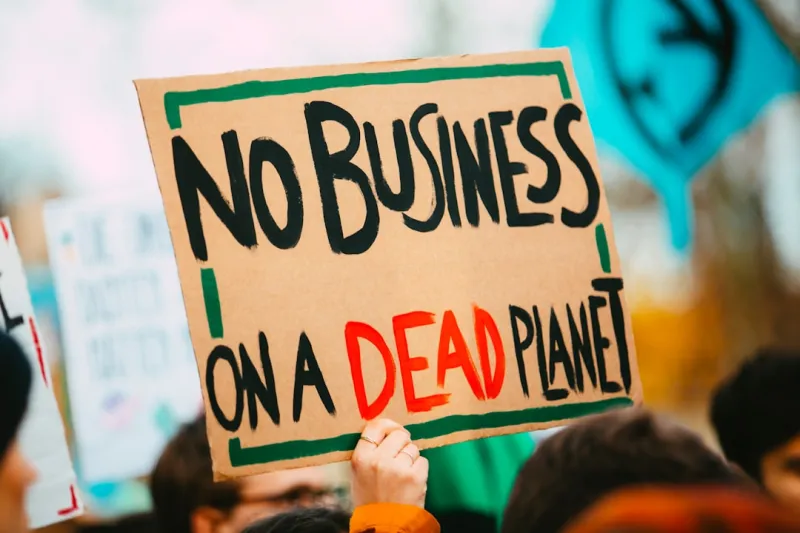
The Insurance Landscape in 2026
When I first stepped into the courtroom a decade ago, insurance disputes felt like a static field governed by age‑old statutes and predictable actuarial tables; today, the very definition of risk has been rewired by algorithms that can predict a tornado’s path before the clouds even gather. AI‑driven underwriting is no longer a futuristic promise but a daily reality, allowing insurers to slice risk into hyper‑granular segments that were unimaginable in the pre‑digital era, and this shift is forcing judges to grapple with evidentiary standards that were designed for paper‑based policies. As a practitioner, I’ve learned that the most successful arguments now hinge less on the fine print of a policy and more on the transparency of the data pipelines that fed the pricing engine, a nuance that demands both legal acumen and a comfortable fluency in data science.
The surge of AI in underwriting has also sparked a parallel explosion of litigation over algorithmic bias, especially when climate‑related data is layered onto models that were originally built for stable, low‑variance markets. In my recent brief, I cited a case where an insurer’s reliance on a machine‑learning model inadvertently penalized homeowners in low‑income coastal neighborhoods, prompting a court to demand an independent audit of the algorithm’s training set; this precedent underscores the emerging duty of insurers to prove that their predictive tools do not discriminate on the basis of geography or socioeconomic status. For lawyers, this means we must now be as skilled at interrogating code as we are at cross‑examining witnesses, a duality that has reshaped the skill set of modern insurance counsel.
Technology, Climate, and the Human Factor
Climate risk has vaulted from a peripheral concern to the centerpiece of every underwriting decision, and the legal fallout is as complex as the climate models themselves. Recent catastrophes in the Gulf and the Pacific have forced insurers to recalibrate exposure calculations in real time, and courts are increasingly scrutinizing whether these adjustments comply with state‑mandated rate‑filing procedures, a tension highlighted in the Insurance Law in 2026: AI, Climate Risk, and the Rise of Personalized Policies analysis. The result is a new breed of litigation where plaintiffs argue that insurers failed to disclose “climate‑adjusted” premium increases, while defendants claim they are merely reflecting scientifically validated risk, a paradox that demands a delicate balance between transparency and proprietary modeling techniques.
At the same time, the rise of autonomous vehicles has introduced a fresh layer of complexity, merging product liability with traditional insurance coverage in ways that were once confined to speculative law review articles. When a self‑driving car involved in a multi‑vehicle pile‑up in Arizona was deemed at fault by an AI sensor suite, the ensuing dispute forced courts to decide whether the driver, the vehicle manufacturer, or the insurer bore ultimate responsibility, a conundrum explored in depth in How Autonomous Vehicles Are Redefining Automotive Law in 2026. This tri‑party liability model is prompting insurers to draft new exclusions and endorsements that specifically address software failures, and lawyers must now anticipate not only physical damage but also algorithmic error as a claimable element.
Personalized policies, powered by granular data streams from wearable devices, smart home sensors, and even social media footprints, promise lower premiums for low‑risk behavior, yet they also raise profound privacy concerns that are quickly becoming litigation fodder. In a landmark ruling last month, a federal judge held that an insurer’s practice of harvesting real‑time health metrics without explicit consumer consent violated the Fair Credit Reporting Act, a decision that has reverberated across the industry and forced a wave of policy revisions; this development highlights the delicate dance between innovation and regulation, and it underscores why every attorney advising insurers must now be fluent in both data protection law and the emerging standards of ethical AI use.
Practical Takeaways for Practitioners
For lawyers navigating this shifting terrain, the first rule of thumb is to demand full documentation of any algorithmic decision‑making process that influences coverage or pricing, treating the model’s source code and training data as discoverable evidence much like a contract’s underlying terms. In practice, I advise clients to embed “algorithmic audit clauses” in their reinsurance agreements, specifying the frequency, scope, and independence of third‑party reviews, a strategy that not only mitigates regulatory risk but also builds a defensible narrative should a policyholder challenge a denied claim on the grounds of biased modeling. Moreover, staying ahead of state‑by‑state climate disclosure mandates—especially those that require insurers to publish projected loss maps—can spare firms from costly retroactive compliance battles.
When dealing with autonomous vehicle claims, it is essential to draft clear delineations of liability that account for both hardware malfunction and software error, and to incorporate “technology failure” endorsements that outline the insurer’s obligations in the event of an AI‑driven accident; this proactive approach reduces ambiguity during settlement negotiations and can preempt protracted litigation over who ultimately “owns” the fault. Additionally, insurers should consider establishing a rapid response protocol that engages both technical experts and legal counsel simultaneously, ensuring that the technical root cause is identified while preserving the evidentiary chain for any ensuing dispute.
Looking Ahead
As we peer into the next five years, the convergence of AI, climate science, and hyper‑personalization will continue to reshape insurance law, demanding that practitioners evolve from traditional policy interpreters into interdisciplinary strategists who can bridge the gap between code, climate data, and courtroom precedent. I anticipate that regulators will soon mandate algorithmic transparency standards akin to the EU’s AI Act, compelling insurers to publish model explainability reports and to obtain certifications for fairness—a development that will likely spawn a new niche of “algorithmic compliance” law firms. For those of us who thrive on the front lines of legal innovation, the challenge—and the opportunity—lies in turning these technological disruptions into defensible, client‑centric solutions that honor both the letter of the law and the spirit of equitable risk distribution.

Kris Kennel is a Paralegal outside of Austin, Texas where he spends most of his time helping users with legal matters that concern them. When he is not working he enjoys time with his wife and kids.
Related Posts

Embedded Insurance: Seamless Coverage in the Digital Economy
Embedded insurance integrates coverage directly into product purchases, offering frictionless protec... Read More

Parametric Insurance: A New Legal Frontier for Climate‑Driven Risks
Parametric insurance pays out based on objective triggers, offering rapid relief in climate disaster... Read More
Insurance Law in 2026: How AI and Climate Risk Are Reshaping Coverage
In 2026, AI and climate risk are redefining insurance law. Discover the legal shifts, consumer right... Read More
Top Posts

When Algorithms Diagnose: Unraveling Liability in AI‑Powered Medicine
AI tools are revolutionizing diagnostics, but they also raise complex liability questions. Discover how doctors can navigate malpractice risks, regulatory hurdl...Read More

When Serverless Turns Hazardous: Hidden Risks in the Cloud’s Most Agile Model
Serverless promises simplicity, but hidden perils—from cold‑starts and vendor lock‑in to observability gaps—can turn it into a dangerous operation. This...Read More

Smart Buildings, Climate Risks, and Algorithmic Tenancy: Legal Strategies for Modern Real‑Estate Professionals
A deep dive into how AI‑powered valuations, climate‑risk obligations, and algorithmic tenant screening are reshaping real‑estate law, with actionable chec...Read More

Redefining Worker Classification in the Platform Era
The gig economy’s surge has reignited the debate over employee versus contractor status. This article dissects the legal tests, emerging statutes, and practic...Read More
0 Comments
Post Comment
You will need to Login or Register to comment on this post!