
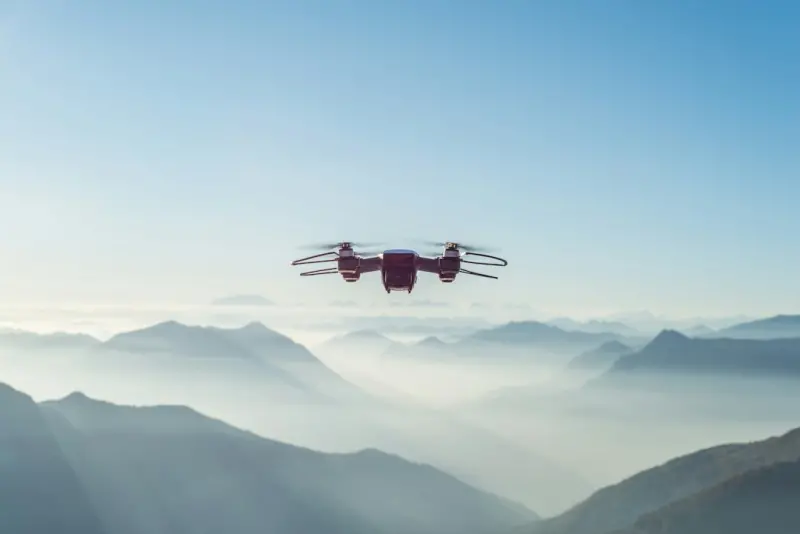
When I first saw a sleek quadcopter humming over a downtown café, I thought it was a futuristic art piece. Fast‑forward a few months, and those same drones are ferrying parcels, medical supplies, and even fragile electronics across bustling cityscapes. The sight is exhilarating—until a gust of wind sends a payload spiraling into a glass storefront, or a software glitch redirects a fleet into a no‑fly zone. In the world of “dangerous operation,” autonomous delivery drones sit at a volatile intersection of technology, law, and public safety.
Why Drones Are the New High‑Risk Playgrounds
Unlike traditional delivery trucks, drones operate three‑dimensionally, sharing airspace with helicopters, birds, and the occasional hobbyist flyer. This vertical freedom creates a set of hazards that most logistics managers have never had to consider:
- Unpredictable Weather: Sudden gusts, temperature inversions, and precipitation can destabilize even the most robust rotor systems.
- Software Vulnerabilities: An exploited API can reroute a drone, change its payload, or even commandeer its camera feed.
- Urban Obstacles: High‑rise windows, power lines, and dense crowds raise the stakes for any miscalculation.
- Regulatory Gaps: Many jurisdictions are still drafting rules for commercial UAVs, leaving operators in a legal limbo.
These challenges aren’t theoretical. A recent incident in a mid‑size city saw a delivery drone crash into a public park, injuring a jogger. The operator faced lawsuits, insurance claims, and a media frenzy that threatened to stall the entire program.
Mapping the Liability Landscape
When an autonomous system causes harm, pinpointing responsibility can feel like untangling a knot of code, contracts, and statutes. The key questions are:
- Is the drone operator strictly liable for any damage, regardless of fault?
- Does the manufacturer share liability if a hardware defect is at fault?
- Can a third‑party software provider be sued for an algorithmic error?
In most jurisdictions, the doctrine of negligence still applies, meaning the party who failed to take reasonable precautions can be held accountable. However, the rapid evolution of AI‑driven navigation systems blurs the line between “reasonable” and “technologically impossible.” This gray area is why many forward‑thinking firms are turning to comprehensive robust documentation strategies—not just for SEO, but to create immutable records of system updates, safety checks, and incident response protocols.
Building a Safety‑First Culture for Drone Operations
Safety isn’t just a checklist; it’s a cultural shift. Below are three pillars that have helped companies transform a risky operation into a controlled, auditable process:
- Pre‑Flight Risk Audits: Every mission begins with a dynamic risk assessment that pulls real‑time weather data, airspace restrictions, and payload weight. The audit generates a digital “flight ticket” that must be signed off by a certified operator before takeoff.
- Continuous Learning Loops: After each flight, drones automatically upload telemetry logs to a central analytics hub. Machine‑learning models sift through the data, flagging anomalies that could indicate wear‑and‑tear or software drift.
- Transparent Incident Reporting: When something goes wrong, the incident report is shared across the organization and, where required, with regulators. This openness builds trust and accelerates corrective action.
These steps echo the principles found in AI liability frameworks—the same rigor needed when algorithms make life‑or‑death decisions in healthcare now applies to drones making life‑or‑death navigation choices.
Protecting Your Brand in the Skies
One mishap can tarnish a brand faster than a viral tweet. Companies must treat drone operations as an extension of their corporate identity, guarding both the physical and digital footprints:
- Intellectual Property: The proprietary routing algorithms and sensor fusion software are valuable assets. Just as you would guard your brand in the metaverse, you must secure patents and trade secrets for your drone tech.
- Data Privacy: Drones often capture high‑resolution imagery. Misuse of this data can trigger privacy lawsuits and erode public confidence.
- Public Relations: Proactive communication—like releasing a safety report after an incident—can mitigate reputational damage.
Insurance Solutions for High‑Altitude Risks
Traditional commercial general liability (CGL) policies rarely cover aerial mishaps. Specialized drone insurance products have emerged, offering coverage for:
- Third‑party bodily injury and property damage.
- Hull loss (damage to the drone itself).
- Cyber liability arising from hacking or data breaches.
- Business interruption if a regulatory shutdown halts operations.
When evaluating policies, look for clauses that address “act of God” scenarios—those sudden weather events that can render even the best‑engineered drone helpless. Also, ensure the insurer requires documented safety protocols, as many policies will void coverage if the operator cannot demonstrate compliance with industry best practices.
Regulatory Outlook: From Patchwork to Cohesion
Globally, regulators are moving from ad‑hoc permits to comprehensive frameworks. In the United States, the FAA’s Part 107 rules set baseline standards, but many cities are adopting “local drone ordinances” that impose stricter height limits, noise thresholds, and privacy safeguards. In Europe, the European Union Aviation Safety Agency (EASA) is drafting a unified set of regulations that will require remote identification and mandatory safety case submissions for any commercial drone operation.
Staying ahead means:
- Maintaining a regulatory watchlist that tracks federal, state, and municipal updates.
- Participating in industry working groups to influence policy development.
- Building flexibility into your tech stack so you can quickly adapt to new compliance demands.
Case Study: A Mid‑Size Retailer’s Drone Rollout
To illustrate the practical steps, let’s walk through a fictional, yet plausible, scenario:
- Initial Assessment: The retailer partnered with a drone manufacturer to pilot a “last‑mile” delivery service in a dense urban district. A cross‑functional team conducted a hazard analysis, identifying high‑rise construction sites and a nearby helipad as critical risk zones.
- Technology Integration: The drones were equipped with real‑time obstacle detection and a geofencing module that automatically rerouted flights around the helipad. The software stack was documented in a living knowledge base, satisfying both internal audit requirements and searchable documentation standards.
- Regulatory Approval: The team filed a safety case with the local aviation authority, including flight simulation data, risk mitigation plans, and an insurance binder covering $5 million in liability.
- Launch & Learn: After a soft launch, telemetry revealed a recurring issue with GPS drift near tall glass towers. The data fed into a machine‑learning model that adjusted the flight algorithm, reducing deviation by 87 % within two weeks.
- Incident Management: Two weeks post‑launch, a sudden wind gust caused a drone to lose altitude and land on a sidewalk, startling pedestrians but causing no injuries. The incident report was automatically generated, shared with the regulator, and the company issued a public statement outlining corrective actions—a move that preserved consumer trust.
This case underscores the importance of marrying technology, compliance, and communication to tame a dangerous operation.
Future Trends: From Delivery to Emergency Response
As drone technology matures, we’ll see a shift from pure commercial delivery to critical services:
- Medical Supply Drops: In remote regions, drones can deliver blood, vaccines, or life‑saving drugs faster than any road transport.
- Disaster Assessment: Post‑storm aerial surveys can map damage in real time, aiding first responders.
- Infrastructure Inspection: Drones equipped with LiDAR can examine bridges and power lines, reducing human exposure to hazardous heights.
Each new application brings its own risk matrix. For instance, medical drones must comply with health‑care data regulations, while disaster‑response drones may need rapid‑deployment waivers from aviation authorities. Anticipating these nuances now will give forward‑looking companies a competitive edge.
Actionable Checklist for Operators
If you’re considering or already running a drone delivery program, keep this checklist handy:
- Conduct a comprehensive risk assessment before each flight.
- Maintain up‑to‑date, searchable documentation of software versions, hardware maintenance, and safety procedures.
- Secure specialized drone insurance with clear coverage for third‑party claims and cyber risks.
- Implement real‑time telemetry monitoring and automated anomaly detection.
- Establish a transparent incident reporting protocol.
- Stay current on local, state, and federal regulations, and engage with industry advocacy groups.
- Protect intellectual property around navigation algorithms and sensor data.
- Plan for future use‑cases that may demand additional compliance (e.g., medical or emergency services).
By treating drone operations as a high‑stakes, high‑visibility venture, you’ll turn potential danger into a differentiator that showcases your commitment to safety, innovation, and responsibility.
In the end, the sky isn’t the limit—it’s the next frontier of risk management. With the right blend of technology, policy, and culture, we can keep our delivery drones aloft and our customers—and our reputations—grounded in safety.

Related Posts

When Feature Flags Turn Into a Minefield: Surviving Dangerous Deployments
Feature flags promise agility but can become a dangerous operation if unchecked. This guide explores... Read More

When the Factory Floor Turns Into a Battleground: Managing Dangerous Operations in the Age of Autonomous Robotics
A deep dive into the hidden risks of autonomous robotics on the factory floor, offering a safety‑f... Read More

Navigating the Legal Minefield of Hazardous Waste Transport
A deep dive into the legal challenges of moving hazardous waste, highlighting compliance, liability,... Read More
Top Posts

Virtual Visitation: Crafting Digital Custody Plans That Work
Virtual visitation is becoming a cornerstone of modern custody arrangements. This article explains the legal shifts, key considerations, and practical steps par...Read More

Balancing Employee Side Hustles with Legal Compliance: A Modern Moonlighting Playbook
Moonlighting is no longer a fringe issue. This guide breaks down the legal framework, privacy concerns, and practical steps to develop a balanced side‑hustle ...Read More

Beyond the Courtroom: Hidden Costs and Long‑Term Strategies in Child Custody
Child custody isn’t just about where the kids sleep—it's a web of hidden expenses, emotional ripple effects, and future‑focused planning. Learn how to see...Read More

Finding Freedom: Reclaiming Your Narrative After Divorce
A personal guide to turning divorce into a catalyst for self‑discovery, financial empowerment, and a future shaped by your own story....Read More
0 Comments
Post Comment
You will need to Login or Register to comment on this post!