
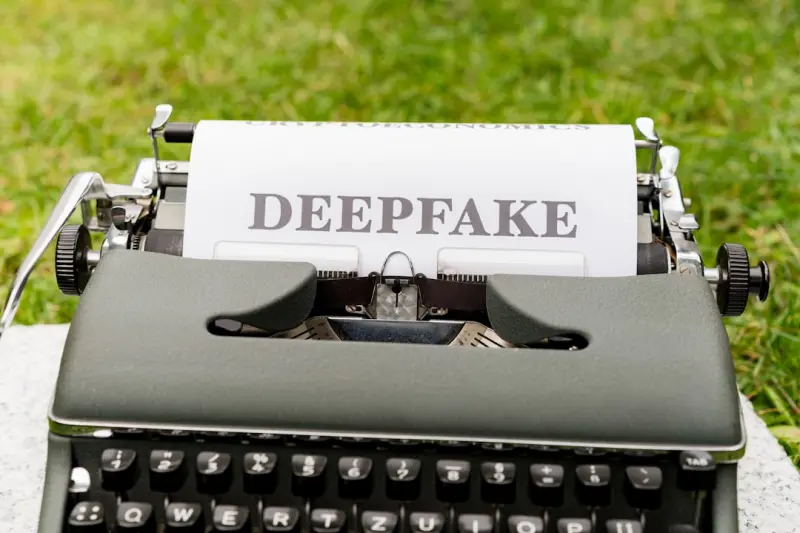
The Rise of Deepfake Technology in Litigation
In the courtroom of tomorrow, the most persuasive witness may not be a living person at all, but a computer‑generated video that looks eerily authentic, a product of the deepfake revolution that is reshaping the very definition of evidence and forcing judges to reconsider the weight they assign to visual testimony, and, crucially, to the standards of admissibility that have guided American jurisprudence for centuries. As a practicing attorney who has spent countless nights poring over motion practice, I have watched the line between reality and fabrication blur at an alarming rate, turning what was once a novelty into a strategic weapon for litigants seeking to sway juries with fabricated narratives, and the ethical dilemmas that accompany the ease with which such fabrications can be disseminated across global platforms. This surge has sparked a quiet, urgent conversation among my peers about how to protect the integrity of the fact‑finding process while still embracing the technological tools that can enhance, rather than undermine, the pursuit of truth.
How Deepfakes Are Engineered
At the heart of a deepfake lies a neural network—typically a generative adversarial network (GAN)—that learns to map facial movements, speech patterns, and lighting conditions from vast datasets, allowing it to splice a target’s likeness onto any audio‑visual source with unsettling precision. The process demands not only massive computational power but also a repository of high‑resolution images and voice recordings, which can be harvested from social media, public archives, or even hacked databases, turning everyday digital footprints into raw material for deception. What once required a Hollywood budget can now be accomplished by a lone programmer in a home office, and the resulting content can be amplified in seconds across platforms that lack robust verification mechanisms, creating a perfect storm for legal abuse.
Evidence Authentication in the Age of Synthetic Media
The traditional chain‑of‑custody model, which hinges on the preservation of original, unaltered evidence, is being upended by the existence of media that can be altered post‑capture without any discernible artifact, forcing courts to rely on forensic expertise that is still evolving. Experts now employ techniques such as pixel‑level analysis, eye‑movement tracking, and audio waveform comparison, yet the lack of standardized protocols means that the admissibility of a deepfake challenge can vary dramatically from one jurisdiction to another, creating a patchwork of outcomes that undermines predictability. As we grapple with these technical hurdles, the Virtual Courtrooms movement offers a promising venue for real‑time collaboration between judges, technologists, and parties, but it also raises questions about whether digital platforms themselves can guarantee the integrity of the evidence they host.
Statutory Landscape: What Laws Already Exist?
While federal legislation has begun to address maliciously created synthetic media—most notably the DEEPFAKES Accountability Act, which criminalizes the distribution of non‑consensual deepfakes intended to deceive—many states still lack clear statutes, leaving a legal vacuum that savvy litigants can exploit. Existing provisions on defamation, fraud, and harassment are sometimes stretched to cover deepfake harms, yet these doctrines were never drafted with algorithmic manipulation in mind, leading to interpretive challenges that courts must resolve on a case‑by‑case basis. Moreover, the intersection of intellectual property law, particularly the right of publicity, introduces another layer of complexity, as victims may claim unauthorized use of their likeness while simultaneously arguing that the work is a protected form of expression.
Best Practices for Legal Practitioners
Given the technical sophistication of deepfakes, attorneys must adopt a multidisciplinary approach that blends traditional litigation tactics with cutting‑edge forensic analysis, beginning with a rigorous authentication protocol that includes hash verification, metadata inspection, and consultation with certified digital analysts. Engaging expert witnesses early in the discovery phase can prevent costly delays, as these specialists can not only identify manipulations but also explain their findings in lay terms that jurors can grasp. For those seeking to stay ahead of the curve, the recent scholarship on AI‑Generated Art and Copyright provides valuable insights into how courts evaluate algorithmic creation, a framework that can be adapted to assess the originality—or lack thereof—of deepfake content.
Defamation, Privacy, and the Human Cost
When a deepfake weaponizes a public figure’s image to spread false statements, the resulting defamation claim can be amplified by the viral nature of social media, inflating reputational damage and triggering swift, often irreversible, public backlash. Conversely, private individuals may suffer intimate violations when fabricated pornographic videos surface, intertwining privacy invasion with emotional trauma that traditional tort remedies struggle to quantify. Courts must balance the First Amendment’s protection of speech against the tangible harms inflicted by synthetic media, a delicate calculus that demands nuanced jurisprudence capable of distinguishing satire from malicious deceit. The ripple effects extend beyond the courtroom, eroding public confidence in authentic video as a cornerstone of accountability.
Platform Liability and the Moderation Imperative
Digital platforms that host user‑generated content are increasingly being called upon to shoulder responsibility for the proliferation of deepfakes, prompting debates over the scope of Section 230 protections and the feasibility of pre‑emptive moderation without stifling legitimate expression. Some jurisdictions have introduced “notice‑and‑take‑down” obligations specifically tailored to synthetic media, requiring platforms to develop detection algorithms and rapid response teams, yet the technical arms race between creators and detectors means that no solution is foolproof. As legal counsel for tech companies, I advise a layered strategy: invest in AI‑driven detection, maintain transparent policies that outline removal criteria, and establish clear channels for victims to request takedowns, thereby mitigating liability while fostering user trust.
Cross‑Border Challenges and International Cooperation
Deepfake content knows no borders, and the transnational nature of its distribution complicates enforcement, as differing privacy standards, evidentiary rules, and criminal statutes can create jurisdictional loopholes that perpetrators exploit to evade accountability. International bodies such as the Council of Europe have begun drafting guidelines for synthetic media, emphasizing the need for harmonized definitions of “manipulated content” and cooperative investigative frameworks, yet implementation remains uneven across member states. Lawyers practicing in multinational contexts must navigate a labyrinth of extraterritorial claims, often resorting to civil litigation in the forum most favorable to their client while advocating for treaties that standardize penalties and streamline extradition procedures for deepfake offenders.
Future Outlook: Shaping Policy Before the Crisis Escalates
The legal community stands at a pivotal moment where proactive legislation can either curb the destructive potential of deepfakes or surrender to a future where truth becomes a negotiable commodity, subject to the whims of sophisticated algorithms. I urge lawmakers to craft statutes that define synthetic media, mandate disclosure of AI‑generated content, and allocate resources for public education, thereby equipping citizens with the critical thinking skills needed to discern fact from fabrication. Simultaneously, the bar association should develop continuing‑education modules that demystify the technology for practicing attorneys, ensuring that the next generation of legal professionals can both challenge and harness deepfake tools responsibly. By aligning policy, practice, and public awareness, we can safeguard the courtroom’s role as a bastion of truth in an increasingly virtual world.

Liam James Professor with a PHD. & content creator with a passion for sparking curiosity and sharing knowledge. Driven by the joy of learning and storytelling, I bring ideas to life in every project. Always exploring, always teaching.
Related Posts
When Courts Become Climate Guardians: The Surge of Environmental Litigation
A deep dive into the rise of climate litigation, examining key legal theories, strategic tactics for... Read More

The 2024 Family Law Revolution: Trends, Tech, and Tactical Moves
Steven McClurry breaks down 2024’s biggest family law shifts—digital divorces, nuanced custody, ... Read More
Beyond the Gavel: How Autonomous Algorithms Are Reshaping Legal Practice
Autonomous algorithms are moving from novelty to necessity in law, automating contracts, predicting ... Read More
Top Posts

Virtual Mediation: The Tech‑Powered Path to Collaborative Child Custody
Virtual mediation combines secure video, collaborative docs, and AI scheduling to make child‑custody negotiations faster, cheaper, and more child‑focused, w...Read More

When Divorce Becomes Your Springboard: Rebuilding Life with Intent
Divorce can feel like an ending, but it also offers a unique chance to redesign your future. This post guides you through reclaiming your finances, redefining y...Read More

AI Hiring Tools: Balancing Efficiency, Bias, and Legal Risk
AI-driven hiring promises speed and fairness, but it brings new legal challenges. This post unpacks discrimination risks, privacy duties, and liability, offerin...Read More

Beyond the Breathalyzer: How Biometric Tech Is Redefining Impaired Driving Prevention
Biometric monitoring offers a proactive alternative to traditional breathalyzers, prompting new legal, ethical, and insurance considerations. This post delves i...Read More
0 Comments
Post Comment
You will need to Login or Register to comment on this post!