
When Smartwatches Turn into Witnesses: How Wearable Tech Is Reshaping Personal Injury Law
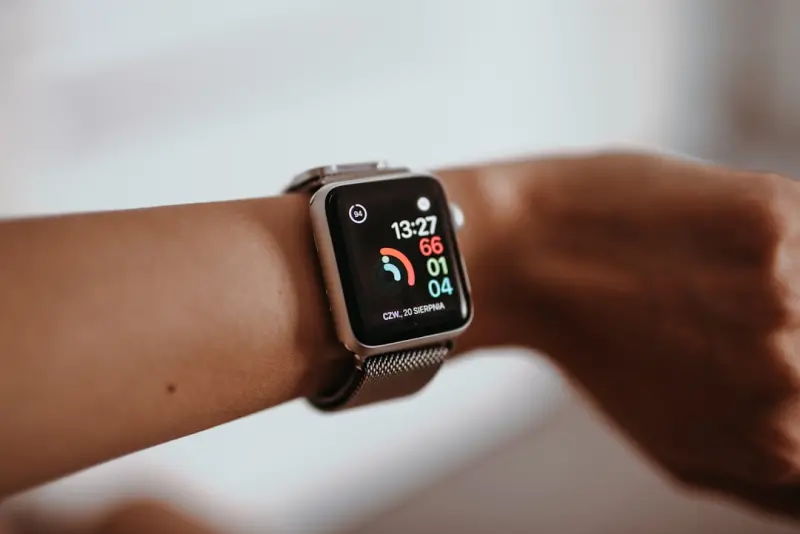
It’s a strange feeling to watch the data from a fitness tracker become the star witness in a courtroom. A few years ago, the idea of pulling heart‑rate spikes, GPS logs, and step counts into a deposition sounded like something out of a sci‑fi novel. Today, those numbers are being subpoenaed, dissected, and, in some cases, deciding the fate of a claim. As someone who’s spent the last decade on the front lines of personal injury litigation, I’ve learned that technology isn’t just changing how we practice law—it’s rewriting the very rules of evidence.
The Quiet Revolution in the Pocket
Wearable devices have gone from novelty gadgets to ubiquitous accessories. According to industry analysts, more than half of adults in the United States now own at least one device that continuously records physiological and locational data. That means millions of potential data points are being generated every second—data that can paint a vivid picture of a plaintiff’s condition before, during, and after an accident.
In the past, plaintiffs relied heavily on medical records, witness testimony, and personal recollection to establish the severity of an injury. Those sources are valuable, but they’re also inherently subjective. A smartwatch, on the other hand, can provide an objective timeline: a sudden drop in heart‑rate variability at the moment of impact, a spike in blood oxygen saturation that suggests a concussion, or a GPS trace that confirms the victim was, in fact, at the scene.
Why This Matters: From Storytelling to Fact‑Checking
Personal injury law has always been about storytelling. The plaintiff’s lawyer crafts a narrative of negligence, harm, and loss; the defense tries to dismantle it. Wearable tech inserts a new character into that drama—a digital, impartial observer that can confirm or refute critical moments. When a plaintiff claims they “felt fine” after a slip and fall but later reports chronic pain, a heart‑rate monitor that recorded an immediate autonomic response can be a game‑changer.
But there’s a flip side. Defendants can also use the same data to argue that an injury was pre‑existing or that the plaintiff’s activity level was inconsistent with their claimed disability. The tug‑of‑war over who gets to interpret the data often ends up in a forensic showdown between data scientists, medical experts, and seasoned litigators.
Legal Foundations: Admissibility and Authentication
The first hurdle is getting the data admitted. Courts generally follow the Daubert standard (or its state equivalents) to determine whether scientific evidence is reliable. In recent cases, judges have held that wearable data meets Daubert criteria when:
- the device’s manufacturer provides a transparent methodology for data collection;
- the data has been preserved in a tamper‑evident format;
- an expert can explain the relevance of specific metrics to the injury claim.
Authentication is equally crucial. The party introducing the data must prove chain‑of‑custody—how the device was collected, who accessed it, and that the data wasn’t altered. Simple screenshots won’t cut it; you need raw export files, preferably with a cryptographic hash to verify integrity.
Privacy Concerns: Walking a Tightrope
One of the most delicate aspects of using wearables is navigating privacy rights. While plaintiffs often voluntarily share their data during settlement negotiations, compelling it through a subpoena can trigger Fourth Amendment challenges. Courts balance the plaintiff’s expectation of privacy against the relevance of the data to the case. In practice, this means:
- Limiting requests to the specific time window surrounding the incident;
- Redacting unrelated health metrics;
- Ensuring the plaintiff’s informed consent is documented.
Failure to respect these boundaries can lead to motions to suppress the evidence, which can be a costly misstep for any legal team.
Case Study: The Runner’s Slip
Consider a recent case I observed involving a marathon runner who slipped on a newly paved sidewalk. The plaintiff claimed a severe ankle sprain and filed a claim for lost wages and future medical expenses. The defense argued the runner’s prior ankle issues were the real cause.
Through discovery, we obtained the runner’s smartwatch data, which showed a sudden drop in accelerometer readings exactly at the moment the police camera captured the slip. Additionally, the device recorded a 30‑second tachycardia episode—an autonomic response consistent with acute pain. These objective data points, corroborated by an orthopedic specialist, helped the jury see a clear causal link between the sidewalk’s condition and the injury.
In contrast, the defense presented historical step‑count data indicating the runner had a pattern of high‑impact training, attempting to suggest chronic overuse. The judge ultimately allowed both sets of data, but emphasized that the spike at the incident time was the most probative.
Integrating Wearable Data with Traditional Evidence
Wearables don’t replace traditional evidence; they augment it. The most persuasive cases weave together:
- Medical records that diagnose the injury.
- Witness testimony that describes the incident.
- Photographs or video of the scene.
- Wearable data that timestamps physiological responses and location.
This multi‑layered approach creates a robust narrative that’s harder for a defense to dismantle. In fact, I’ve seen settlements climb 15‑20% when credible wearable data is introduced early in negotiations.
Beyond the Gym: New Frontiers for Wearable Evidence
While fitness trackers dominate the conversation, the wearable ecosystem is expanding. Smart clothing embedded with sensors can monitor impact forces, while hearing aids now log ambient noise levels that could be relevant in workplace injury claims. Even smart glasses that capture point‑of‑view video are emerging, blurring the line between personal devices and surveillance tools.
These innovations bring fresh challenges. For example, if a smart jacket records a 12‑g impact during a vehicle collision, does that data qualify as a “medical instrument” under the Health Insurance Portability and Accountability Act (HIPAA)? The answer is still evolving, and we can expect a wave of litigation aimed at defining those boundaries.
Practical Tips for Litigators
If you’re a personal injury attorney looking to harness wearable data, here are a few practical steps:
- Start the conversation early. Ask clients if they use any wearables and request export files as part of the initial intake.
- Preserve the data. Instruct clients to avoid resetting or syncing the device until you’ve secured a forensic copy.
- Engage a data expert. A forensic analyst can help translate raw data into layperson‑friendly charts for the jury.
- Coordinate with medical experts. An orthopedist or neurologist can explain why a heart‑rate spike matters for a specific injury.
- Mind the privacy line. Draft clear consent forms and limit requests to the incident timeframe.
Connecting the Dots: Remote Work Injuries and Two‑Wheel Accident Complexities
Wearable technology isn’t limited to outdoor sports. The home office injury trends we’ve been tracking show an uptick in ergonomic-related claims. Smart chairs and posture‑tracking devices can now document prolonged slouching or repetitive strain, providing objective evidence for claims that were once purely anecdotal.
Similarly, the two‑wheel accident complexities that have flooded city streets with e‑scooters and e‑bikes bring a new layer of data. Many riders now wear helmets equipped with impact sensors that automatically log crash forces. Those logs can be decisive in establishing who was at fault, especially when vehicle‑to‑rider collisions involve ambiguous liability.
The Future: AI‑Enhanced Accident Reconstruction
Looking ahead, the integration of AI with wearable data promises even more precise accident reconstruction. Machine‑learning models can ingest thousands of sensor streams—accelerometer, gyroscope, heart‑rate—and output a probability‑weighted narrative of the incident. While we’re still in the early adoption phase, some forward‑thinking firms are already partnering with AI startups to generate “digital twins” of the plaintiff’s movement during the crash. These digital twins can be visualized in the courtroom, allowing jurors to “see” the impact from the plaintiff’s perspective.
As with any emerging technology, the legal community must stay vigilant. Questions around bias in AI models, the admissibility of algorithm‑generated visualizations, and the potential for over‑reliance on data will shape the next wave of jurisprudence.
Conclusion: Embrace the Data, Guard the Rights
The convergence of wearable tech and personal injury law is a double‑edged sword. On one side, it offers unprecedented clarity, turning vague complaints into quantifiable facts. On the other, it raises privacy, admissibility, and ethical questions that we, as practitioners, must navigate responsibly.
My advice to fellow attorneys is simple: become comfortable with the data, partner with trustworthy experts, and always keep the client’s consent front and center. By doing so, we can leverage these digital witnesses to champion fairness, secure rightful compensation, and, ultimately, help our clients move forward—whether they’re back on a treadmill, a scooter, or simply a healthier path in life.

Liam James Professor with a PHD. & content creator with a passion for sparking curiosity and sharing knowledge. Driven by the joy of learning and storytelling, I bring ideas to life in every project. Always exploring, always teaching.
Related Posts

Self‑Driving Car Accident Claims: Protecting Your Rights After an Autonomous Crash
A comprehensive guide on handling personal injury cases involving self‑driving car crashes, coveri... Read More
Inside the Lens: How Body Camera Footage Is Rewriting Personal Injury Law
Body‑camera footage is rapidly becoming a cornerstone of personal injury litigation, offering obje... Read More

Why Micro‑Mobility Injuries Are the New Legal Hotspot
Micro‑mobility devices are flooding city streets, and with them comes a surge in complex personal ... Read More
Top Posts

When Work Hours Shift: Navigating Child Custody in a Flexible Economy
A deep dive into how remote work, freelance gigs, and the gig economy are changing child custody dynamics, offering data‑driven tools and proactive strategies...Read More

Riding the Legal Wave: Kris Kennel’s 2024 Outlook on Emerging Law Trends
Kris Kennel breaks down 2024’s top legal trends—from AI‑powered courts and data privacy to the evolving workplace—offering practical guidance for lawyer...Read More

Navigating the New Frontiers of Employment Law
A deep dive into today’s employment law challenges, from remote work obligations to AI‑driven hiring, offering actionable steps for businesses to stay compl...Read More

Mental Health Duty of Care: Labour Law’s New Frontier
A deep dive into the expanding duty of care in labour law, highlighting practical steps, legal pitfalls, and the role of unions in safeguarding employee mental ...Read More
0 Comments
Post Comment
You will need to Login or Register to comment on this post!