
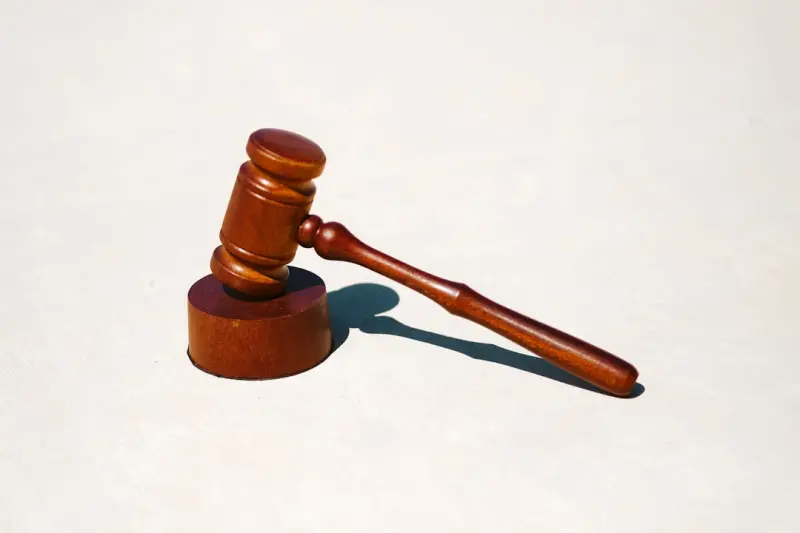
The Digital Turn in Criminal Trials
In the past decade, the courtroom has quietly become a data‑rich arena where the flicker of a phone screen or the hum of a smart thermostat can tip the scales of justice, and I’ve watched this shift with both fascination and caution, recognizing that every byte of information carries the potential to rewrite a defendant’s narrative; this evolution is not merely a technical upgrade but a fundamental redefinition of what constitutes “evidence,” compelling lawyers to master not only statutes but also servers, and I find myself constantly balancing the allure of high‑tech proof against the timeless principle that truth must be proved beyond a reasonable doubt. Digital footprints now trail suspects from the moment they wake, and prosecutors have learned to trace those trails with a precision that would have been science fiction a generation ago, yet the same tools that illuminate a crime scene also cast shadows over privacy rights, prompting heated debates about the boundaries of lawful search. As I draft motions and interrogate experts, I am reminded that every advancement in forensic capability must be matched by an equally rigorous scrutiny of its legal footing, lest we trade justice for convenience.
Admissibility Standards: From Frye to Daubert and Beyond
When a digital forensic report lands on the bench, the judge’s first question is whether the methodology meets the established admissibility threshold, a test that has evolved from the simple “general acceptance” of Frye to the more flexible reliability analysis of Daubert, and I often find myself navigating these doctrinal waters by translating algorithmic jargon into the language of case law, ensuring that the court understands not just the “what” but the “why” behind each technical step; this transformation is crucial because a misstep in explaining a hash verification or a metadata extraction can render an otherwise compelling piece of evidence inadmissible, effectively stripping the prosecution of a key pillar. Moreover, the Supreme Court’s recent rulings on electronic surveillance have begun to carve out nuanced exceptions that demand a fresh look at the “known error rate” and “peer review” criteria, prompting me to demand rigorous validation studies before leaning on new tools like cloud‑based log analysis. In practice, the battle over admissibility often unfolds in pre‑trial hearings where a well‑crafted Daubert argument can either open the floodgates for digital proof or close them shut, underscoring the pivotal role of scholarly scrutiny in the modern criminal docket.
Mapping the Digital Landscape: From Phones to IoT
The modern crime scene is a networked tapestry, and I have learned to chart its many threads—from the ubiquitous cell phone, whose GPS pings and call logs can pinpoint a suspect’s movements with forensic precision, to the burgeoning universe of Internet‑of‑Things devices that silently record temperature, motion, and even conversations, each sensor becoming a potential witness that never takes the stand; these sources, when harvested correctly, can construct a chronological mosaic that corroborates or refutes alibis, and I often collaborate with cybersecurity specialists to extract data from smart locks, wearables, and voice assistants, turning ordinary household objects into pivotal pieces of the evidentiary puzzle. Yet the sheer volume of data presents its own challenges, as prosecutors must sift through terabytes of logs to isolate relevant fragments, and defense teams—myself included—must be vigilant against cherry‑picking that paints an incomplete picture, a practice that can mislead jurors and undermine the fairness of the trial. In this era, the phrase “digital footprint” has taken on literal weight, and mastering its contours is no longer optional but essential for any attorney seeking to navigate the labyrinth of modern criminal law.
Authenticity and Chain of Custody in the Digital Age
Just as a physical object can be tampered with, so too can electronic evidence be altered, and I have spent countless hours drafting chain‑of‑custody logs that capture every handoff, hash verification, and timestamp, because any break in that trail can give a defense team the leverage to argue that the data is unreliable, a point that judges have increasingly emphasized in rulings that treat a missing hash as a red flag equivalent to a broken seal on a physical exhibit; the process begins with a forensic image taken using write‑blockers, proceeds through secure storage on encrypted drives, and culminates in meticulous documentation that tracks each analyst’s interaction, a practice that not only safeguards the evidence but also builds credibility before the jury. Courts have become less forgiving of shortcuts, especially when the evidence originates from cloud services where data can be duplicated or overwritten without a clear audit trail, prompting me to request preservation orders and to subpoena logs that confirm the integrity of the original files. In my experience, the narrative of a case can hinge on whether the digital artifact survived the forensic gauntlet unscathed, and that narrative must be communicated with clarity to both the judge and the trier of fact.
Privacy, Warrants, and the Fourth Amendment
The intersection of digital evidence and constitutional rights is a hotbed of controversy, and I have argued before judges that a search warrant must be as precise in describing electronic data as it is in naming a drawer of documents, because the Fourth Amendment’s protection against unreasonable searches extends to the intangible realm of metadata, browsing histories, and encrypted communications; the Supreme Court’s decision in Carpenter v. United States set a precedent that location data stored by cell carriers is protected, and I routinely leverage that precedent to challenge broad subpoenas that seek “all” of a suspect’s digital records without particularized suspicion. Moreover, the advent of real‑time tracking technologies forces courts to grapple with the concept of “continuous surveillance,” a notion that I have explored through amicus briefs arguing that prolonged GPS monitoring constitutes a search requiring a warrant, a stance that resonates with privacy advocates and increasingly influences prosecutorial strategies. In practice, obtaining a warrant that meets the heightened standards for digital searches often involves presenting detailed affidavits that explain the specific relevance of each data element, a meticulous process that underscores the delicate balance between law‑enforcement efficiency and individual liberty.
The Human Element: Forensic Analysts and Bias
Behind every byte of digital evidence sits a forensic analyst, and I have observed that their interpretations can be subtly swayed by cognitive biases, a reality that courts are beginning to recognize by demanding that expert testimony include disclosures of potential conflicts of interest and methodological limitations; when an analyst is hired by the prosecution, there is an inherent risk that their conclusions may unconsciously align with the narrative they are asked to support, and I counter this risk by commissioning independent examinations or by cross‑examining the expert on the validation of their tools, especially when proprietary software is involved. The credibility of a forensic report hinges on transparent documentation of the software version, the algorithmic parameters, and the error rates, and I have found that judges are increasingly demanding peer‑reviewed studies or standards from bodies such as the National Institute of Standards and Technology to ensure that the science is sound. This scrutiny is not merely academic; it directly affects sentencing outcomes, as a mischaracterized digital artifact can lead to inflated charges or wrongful convictions, making the analyst’s impartiality a cornerstone of procedural justice in the digital age.
Jury Perception: The Storytelling Power of Screens
When a prosecutor projects a sleek dashboard of geolocation points or a timeline of social‑media posts onto the courtroom screen, the impact on jurors can be profound, and I have learned to harness that visual power to either bolster a defense narrative or to expose the seductive allure of technology that may mask underlying uncertainties; the key is to contextualize the data, explaining not only what the numbers show but also their limits, such as GPS drift, signal loss, or the possibility of spoofed accounts, thereby preventing the jury from treating the digital evidence as infallible proof. I often employ analogies—comparing a digital trail to a breadcrumb path that can be disturbed by wind—to illustrate that while data can guide, it does not guarantee a single, unambiguous route to the truth, a technique that helps jurors maintain a healthy skepticism. Additionally, the use of demonstrative exhibits, like side‑by‑side comparisons of original logs and edited screenshots, can reveal manipulation attempts, turning what might seem like high‑tech wizardry into a transparent, understandable story that aligns with the legal standard of proving guilt beyond a reasonable doubt.
Emerging Threats: AI‑Generated Evidence and Deepfakes
As artificial intelligence matures, the courtroom is poised to confront evidence that may be fabricated with astonishing realism, and I have already begun preparing for scenarios where deepfake videos or AI‑synthesized audio clips are presented as authentic, a challenge that demands new forensic methodologies and legal frameworks to authenticate the source, analyze the algorithmic fingerprints, and assess the likelihood of manipulation; courts are gradually adopting standards that require a “trust but verify” approach, and I advocate for pre‑emptive motions that call for independent AI‑expert testimony to dissect the provenance of such media before they become persuasive weapons. The stakes are high, because a convincing deepfake could falsely implicate an innocent person, and the law must evolve to provide defendants with the tools to rebut such attacks, including the right to compel disclosure of the model’s training data and the parameters used to generate the content. In my practice, I am already drafting guidelines for preserving original metadata and employing cryptographic hashes at the point of capture, measures that can later serve as a bulwark against claims that the evidence was altered after the fact, thereby safeguarding the integrity of the judicial process in an era where reality itself can be engineered.
Practical Strategies for Practitioners
For attorneys navigating this digital frontier, the most effective defense begins with early engagement of qualified forensic experts, a step I emphasize in every case briefing, because proactive analysis can uncover procedural missteps—such as improper warrant scope or chain‑of‑custody gaps—before the prosecution leverages the evidence at trial; I also recommend conducting independent preservation of the suspect’s devices, a tactic that not only safeguards potential exculpatory material but also positions the defense to challenge any later claims of spoliation. Moreover, staying informed about related technological legal developments, such as the implications of drone surveillance regulations or the privacy concerns highlighted in AI monitoring cases, can provide valuable analogies that strengthen arguments about unreasonable searches and the reliability of automated data collection. Ultimately, the goal is to transform the courtroom from a passive display of flashy screens into a venue where each digital artifact is subjected to rigorous scrutiny, ensuring that the promise of technology serves justice rather than undermining it.

Kris M. Chen is a dedicated legal paralegal based in Texas, specializing in delivering comprehensive case management and litigation support. Known for a meticulous approach to legal research and document preparation, Kris plays a vital role in navigating complex legal workflows and ensuring seamless trial preparation.
Related Posts
The Unseen Power of Plea Bargaining: What Every Defendant Must Know
Explore why plea bargains dominate criminal cases, the hidden consequences for defendants, and pract... Read More
Bail Reform and the Future of Pretrial Detention
A deep dive into bail reform’s promises, challenges, and future, highlighting impacts on marginali... Read More
Navigating Criminal Law in 2026: Tech, Ethics, and the Human Story
A deep dive into 2026’s criminal law trends—AI, autonomous cars, cybercrime—and strategies for... Read More
Top Posts

When OTA Updates Fail: Liability, Warranty, and the New Road Ahead
Over‑the‑air software updates are revolutionizing vehicle safety, but they also raise complex liability, warranty, and data‑privacy questions. This articl...Read More

From Data to Dominance: Rethinking SEO for an AI‑First World
Explore a fresh SEO playbook that blends AI research, content clusters, and structured data to build authority, trust, and lasting search success....Read More
Collaborative Law and Cross-Border Divorce: A Compassionate Path Forward
A fresh look at cross‑border divorce reveals collaborative law as a humane, efficient solution that safeguards finances, children, and cultural connections....Read More

Why Modern Business Owners Need Trusts for Seamless Succession
A comprehensive guide on why founders and business owners should adopt trusts for smoother succession, asset protection, and lasting legacy....Read More
0 Comments
Post Comment
You will need to Login or Register to comment on this post!