
The Gig Economy’s Hidden Injury Crisis
When I first started covering personal injury law, the headlines were dominated by car‑accident lawsuits, slip‑and‑fall cases, and the occasional workplace catastrophe. Fast forward a few years, and a new class of plaintiffs is flooding the courts: gig‑economy delivery workers. From bike couriers darting through city streets to rideshare drivers logging endless miles, the modern “independent contractor” model has created a legal battlefield that most traditional personal injury practitioners have never navigated.
Why Delivery Riders Are a Perfect Storm for Litigation
Three forces converge to make gig‑workers especially vulnerable:
- Speed and volume. Apps incentivize “fast‑track” deliveries, turning every order into a race against the clock.
- Fragmented employer‑employee relationships. Companies label drivers as independent contractors, limiting traditional workers’ compensation benefits.
- Technology‑driven risk. Real‑time routing, GPS tracking, and algorithmic dispatching create new avenues for error—and new evidence for courts.
Each of these elements reshapes how liability is assigned, how evidence is gathered, and ultimately, how victims recover compensation.
From “Driver” to “Independent Contractor”: The Legal Quagmire
The first hurdle for any personal injury claim in the gig economy is establishing who—if anyone—is responsible. Traditional employers are easy targets: they owe a duty of care, have insurance, and can be sued directly. Gig platforms, however, argue that they merely provide a “digital marketplace” and that the driver’s own negligence caused the injury.
Courts are split. Some jurisdictions adopt the “joint employer” doctrine, holding the platform liable for failing to enforce safety standards. Others cling to a strict contractor model, leaving injured workers to shoulder the burden of proving negligence against a third‑party (often a vehicle owner) or to pursue a costly personal injury suit against the driver themselves.
One emerging trend is the use of “benefit‑sharing” insurance pools that platforms create to cover driver injuries. While these pools can speed up payouts, they also raise questions about adequacy, transparency, and the rider’s right to sue the platform for negligence beyond the policy’s limits.
The Role of Wearables and Real‑Time Data
Imagine a courier wearing a smart helmet that records impact force, heart rate spikes, and even a live video feed of the crash. That data can be a goldmine for plaintiffs, offering objective proof of injury severity and, crucially, the exact moment the platform’s algorithm sent the driver onto a hazardous route.
Conversely, platforms can use the same data to argue that the driver ignored safety warnings or that the injury was pre‑existing. The courtroom is rapidly evolving into a digital forensics lab, where wearable logs, GPS breadcrumbs, and app‑generated alerts become the new testimony.
For attorneys, mastering this tech‑savvy evidence is no longer optional. It’s a competitive edge that can tip a settlement from a few thousand dollars to a multi‑digit figure.
Smart‑Phone Footage: The Double‑Edged Sword
Every gig worker carries a smartphone, and many instinctively record accidents. While a shaky video can capture the chaos of a collision, it can also expose the driver’s behavior—speeding, texting, or ignoring traffic signals.
Lawyers must therefore balance the probative value of video evidence with its potential to undermine the client’s credibility. Skilled counsel will often:
- Preserve the original file’s metadata to prove authenticity.
- Engage forensic experts to verify that the video wasn’t edited.
- Contextualize any driver fault by highlighting platform‑imposed pressures (e.g., “accept this order in 30 seconds or lose it”).
When Algorithms Become Accused Parties
It may sound like science fiction, but algorithmic dispatch systems are now being treated as “actors” in personal injury cases. In a recent AI‑powered healthcare liability discussion, legal scholars argued that software can bear responsibility when its output directly leads to harm. The same logic is spilling into the gig world.
Consider a scenario where a routing algorithm repeatedly sends a cyclist through a high‑traffic intersection during rush hour, despite clear data showing a pattern of accidents at that location. If an injury results, plaintiffs may allege that the platform’s negligent algorithm design contributed to the harm. This argument is still nascent, but it signals a future where software engineers could find themselves on the defendant side of a personal injury suit.
Insurance Gaps and the Rise of “Self‑Insurance” Models
Many gig platforms claim that they provide “on‑demand” insurance that activates the moment a driver logs into the app. In practice, these policies often have high deductibles, limited coverage caps, and exclusions for “intentional misconduct.”
Workers who suffer severe injuries—think broken limbs, traumatic brain injury, or long‑term disability—may quickly outgrow the policy’s limits, forcing them to seek additional compensation from the platform or the driver’s personal assets.
One workaround gaining traction is self‑insurance collectives. Groups of drivers pool resources to purchase supplemental coverage, much like a union‑style safety net. While promising, these collectives also raise legal questions about fiduciary duties and the platform’s role in facilitating—or obstructing—such arrangements.
Cross‑Jurisdictional Challenges: When a Ride Crosses State Lines
Delivery apps operate on a national, even global, scale. A driver based in State A may accept a job that drops off a package in State B. This raises a perplexing question: Which state’s personal injury statutes apply?
The answer often hinges on the “place of injury” rule, but platforms can argue that the driver’s “home state” dictates liability. Some courts have begun to adopt a “most‑significant‑relationship” test, looking at where the alleged negligence occurred, where the injury was sustained, and where the driver was based.
For practitioners, this means drafting pleadings that anticipate multiple jurisdictional analyses, and being ready to argue for venue in the state with the most plaintiff‑friendly statutes.
Settlement Strategies in the Gig Era
Traditional personal injury settlements rely on clear causation and well‑established insurance frameworks. In gig cases, the lack of a single, robust insurer forces attorneys to be more creative:
- Negotiated platform settlements. Even if a platform denies liability, the threat of a costly class‑action suit can coax a settlement.
- Third‑party driver insurance. Some drivers maintain personal auto policies that include “non‑owner” coverage, which can be tapped for compensation.
- Future earnings calculations. Because many gig workers lack stable employment history, experts must project income based on app metrics, rating scores, and seasonal demand trends.
Successful negotiators blend these tactics, leveraging data from the platform’s own dashboards to demonstrate the worker’s earning potential and the economic impact of the injury.
Pre‑Litigation Best Practices for Injured Gig Workers
If you or someone you know has been injured while working for a delivery platform, consider these steps:
- Document everything immediately. Take photos, preserve video, and record the exact time and location of the incident.
- Secure the app’s data. Screenshot the order details, any safety alerts, and the driver’s earnings dashboard.
- Seek medical attention promptly. A thorough medical record is the backbone of any claim.
- Notify the platform. Most apps have an in‑app incident report feature—use it, but keep a copy of the submission.
- Consult a personal injury attorney experienced with gig work. The nuances of platform liability are too complex for a generic lawyer.
Future Outlook: Regulation, Litigation, and Technology
Legislators are catching up. Several states are drafting “Gig Worker Protection Acts” that would require platforms to provide a minimum level of workers’ compensation coverage, regardless of contractor status. If passed, these laws could dramatically shift the litigation landscape, moving many claims from the courtroom to a statutory benefits system.
Meanwhile, technology continues to evolve. The rise of autonomous delivery robots and drones introduces new categories of injury—think a pedestrian struck by a self‑driving parcel bot. The legal principles we apply today will need to expand to cover these emerging threats.
Finally, the integration of autonomous vehicle regulations will influence how liability is apportioned when a driverless delivery van collides with a human cyclist. Courts will grapple with questions of software defect, manufacturer duty, and platform oversight, echoing the early debates around autonomous cars.
Conclusion: A Call for Proactive Advocacy
The gig economy isn’t a passing fad; it’s a structural shift in how work gets done. As personal injury law adapts, attorneys, legislators, and platforms must collaborate to ensure that the very people who keep our cities moving are not left defenseless when accidents happen.
For plaintiffs, the key is to harness every piece of digital evidence—wearable data, app logs, and algorithmic insights—and to push back against the myth that “independent contractor” means “no safety net.” For platforms, the message is clear: proactive safety policies, transparent insurance, and responsible algorithm design are not just good PR—they’re essential legal safeguards.
In this evolving arena, the only constant is change. Staying ahead of the curve means learning the language of technology, understanding the intricacies of cross‑state liability, and, above all, championing the rights of those who risk their health for the click of a button.

Kris M. Chen is a dedicated legal paralegal based in Texas, specializing in delivering comprehensive case management and litigation support. Known for a meticulous approach to legal research and document preparation, Kris plays a vital role in navigating complex legal workflows and ensuring seamless trial preparation.
Related Posts
When Your Smartphone Becomes Your Lawyer: Wearable Tech and the Future of Personal Injury Litigation
Wearable devices now capture objective injury data—impact forces, heart rate spikes, location—gi... Read More

When Smart Homes Slip: Navigating Personal Injury Claims in the Age of Connected Devices
A deep dive into the emerging world of personal injury claims stemming from smart‑home technology,... Read More
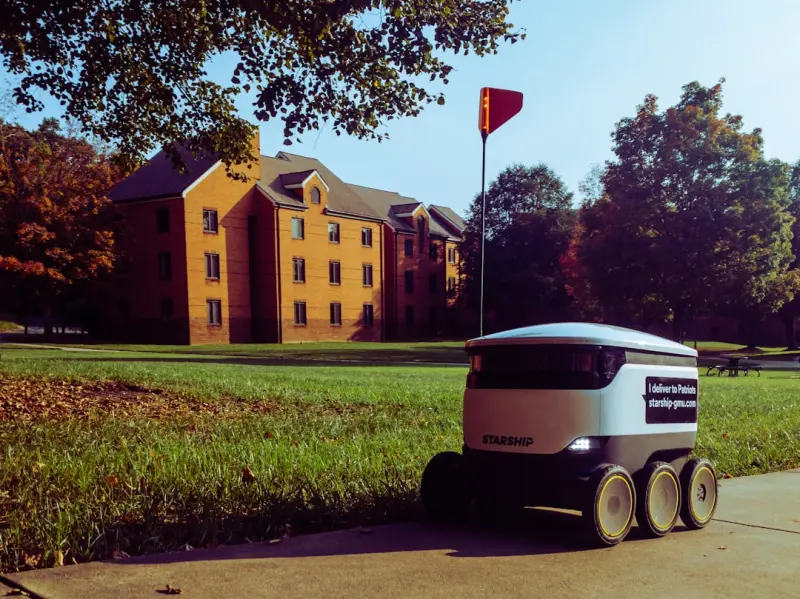
Beyond the Crash: How Drones and Delivery Robots Are Redefining Personal Injury Law
A deep dive into the emerging challenges personal injury law faces with autonomous drones, ground‑... Read More
Top Posts

The Future of Child Custody: A Forward‑Looking Guide from Kris M. Chen
Kris M. Chen breaks down evolving child custody dynamics, tech’s impact, and forward‑looking legal strategies for today’s families....Read More

Divorce as a Strategic Pivot: Rebuilding Business After the Split
Divorce forces a deep dive into assets, liabilities, and brand narrative, offering a unique opportunity to restructure your business, protect legal interests, a...Read More

Beyond the Breathalyzer: Tech, Law, and Culture Tackling Impaired Driving
A deep dive into the emerging technologies, legal shifts, and corporate responsibilities that are redefining impaired‑driving prevention beyond traditional br...Read More

Steering the Subscription Shift: Legal Essentials for Modern Vehicle Leasing‑as‑a‑Service
Vehicle subscriptions blend leasing, insurance, and tech into a single offering, but the legal landscape is still forming. This article breaks down contracts, c...Read More
0 Comments
Post Comment
You will need to Login or Register to comment on this post!