
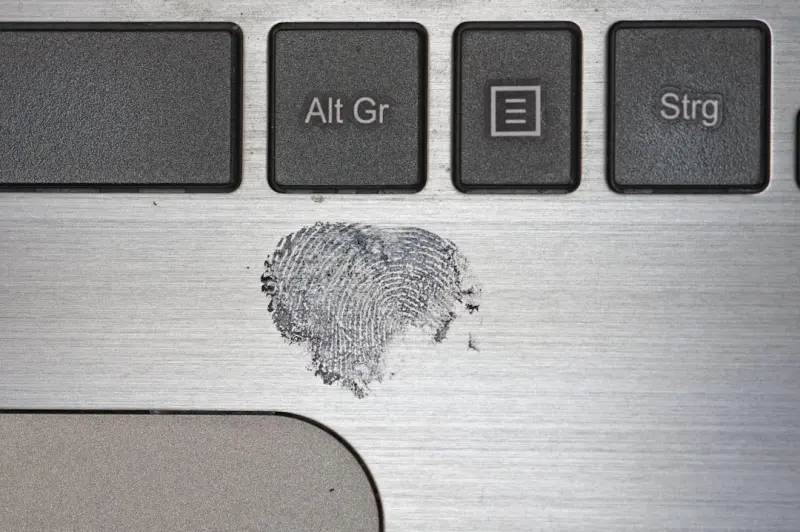
The Biometric Boom and Why It Matters to Your Privacy
Every swipe of a fingerprint to unlock a phone, every facial scan at an airport, and every heart‑rate monitor on a smartwatch is quietly turning the most intimate parts of our bodies into data points that companies can collect, analyze, and monetize, and the speed of that transformation has left lawmakers scrambling to keep pace. Biometric identifiers—including fingerprints, iris patterns, voice prints, and even gait—are now embedded in everyday consumer products, and the line between convenient technology and invasive surveillance is blurring faster than most users realize. As a privacy‑focused attorney who has watched the legal landscape evolve from the early days of cookie consent to the complex web of data‑subject rights, I can say with confidence that the stakes are higher when your body itself becomes the source of personal information.
What the Law Currently Says About Your Body Data
At the core of today’s legal framework are statutes like the Illinois Biometric Information Privacy Act (BIPA), the European Union’s General Data Protection Regulation (GDPR) which treats biometric data as a “special category” requiring explicit consent, and emerging state‑level reforms that echo these protections, all of which attempt to give individuals control over the collection and use of their biological signatures. However, the patchwork nature of these regulations creates uncertainty for businesses that operate across multiple jurisdictions, forcing them to navigate a maze of consent thresholds, storage mandates, and disclosure requirements that can differ dramatically from one region to another. Understanding these nuances is essential not only for compliance officers but also for everyday consumers who deserve to know when and how their most personal traits are being harvested.
Consent Is Not a One‑Size‑Fits‑All Solution
While many privacy regimes hinge on the concept of informed consent, the reality of biometric collection often defeats the spirit of that requirement, as users are presented with lengthy, jargon‑filled terms that they rarely read before a quick “Agree” tap, and the opt‑out mechanisms are either hidden or technically burdensome, effectively rendering consent a formality rather than a genuine choice. Courts have increasingly scrutinized such practices, with landmark cases under BIPA awarding millions in damages for mere failures to obtain proper written releases before scanning an employee’s fingerprint, demonstrating that consent without transparency can quickly become a legal liability. Organizations that truly respect privacy must therefore adopt a clear, layered consent model that separates biometric data requests from other service agreements and provides real-time, user‑friendly ways to revoke permissions at any moment.
Secure Storage and the High Cost of Breaches
Once biometric data is captured, the obligation to safeguard it escalates dramatically, because unlike passwords, you cannot simply change a fingerprint or a voice print after a breach, making the long‑term ramifications of a leak far more severe and permanent. Legal precedents are beginning to reflect this reality, with several courts holding that negligent storage—such as retaining raw biometric templates on unencrypted servers—constitutes a breach of statutory duties, opening the door to class‑action lawsuits and regulatory penalties that can dwarf those associated with traditional data breaches. To mitigate these risks, companies should implement end‑to‑end encryption, employ tokenization techniques that replace the actual biometric template with a non‑reversible reference, and conduct regular third‑party audits that verify the integrity of their security controls.
Cross‑Border Transfers and the Rise of Data Trusts
Biometric information does not respect national borders, and the global supply chain of wearable devices, cloud‑based analytics, and AI‑driven health platforms means that data often travels from a user’s wrist in one country to a data center in another, creating a tangled web of jurisdictional obligations that can trigger compliance headaches under both the GDPR’s “adequacy” standards and emerging U.S. state privacy statutes. One innovative response gaining traction is the creation of data trusts, legal entities that act as fiduciaries for personal information, including biometrics, and negotiate the terms of cross‑border sharing on behalf of individuals, thereby providing a layer of accountability and a mechanism for enforcing data‑subject rights across disparate legal regimes. While still nascent, these trusts represent a promising model for balancing the commercial benefits of biometric analytics with the fundamental privacy expectations of consumers worldwide.
Embedding Privacy by Design Into Biometric Solutions
Forward‑thinking organizations are moving beyond reactive compliance and embedding privacy considerations into the very architecture of their biometric products, a practice known as “privacy by design,” which requires that data minimization, purpose limitation, and user control be baked into each stage of the development lifecycle, from sensor selection to algorithmic processing. This proactive stance not only reduces the likelihood of regulatory penalties but also builds consumer trust, as users increasingly demand transparency around how their bodily data is being used for purposes such as targeted advertising, insurance underwriting, or law‑enforcement profiling. Implementing privacy‑by‑design principles often involves conducting thorough Data Protection Impact Assessments (DPIAs), adopting edge‑computing strategies that keep raw biometric data on the device rather than transmitting it to the cloud, and ensuring that any machine‑learning models are auditable and free from bias that could amplify discriminatory outcomes.
AI‑Driven Privacy Tools and the Shadow of Algorithmic Surveillance
The intersection of artificial intelligence and biometric data is creating powerful tools that can both protect and threaten privacy, as sophisticated algorithms can detect anomalies in usage patterns to flag potential fraud while simultaneously enabling unprecedented levels of algorithmic surveillance that erodes anonymity in public spaces. AI-driven privacy tools—such as automated consent managers, real‑time anonymization engines, and adaptive access‑control systems—offer promising ways to strike a balance, yet they also raise new questions about transparency, accountability, and the potential for hidden biases to creep into decision‑making processes that affect individuals’ rights. Stakeholders must therefore demand rigorous third‑party validation of these AI systems, ensuring that the same technology that secures biometric data does not become a conduit for covert monitoring or discriminatory profiling.
Workplace Biometric Monitoring: Employee Rights in the Age of Continuous Authentication
Employers are increasingly turning to biometric authentication for time‑keeping, secure facility access, and even health‑screening protocols, arguing that these measures enhance security and productivity, but the practice also collides with employee privacy expectations and emerging labor protections that extend beyond the traditional “right to disconnect.” When biometric data is collected in the workplace, workers are entitled to clear notice of the purpose, strict limits on how long the data will be retained, and robust safeguards against secondary use for performance evaluation or disciplinary actions without explicit consent. Companies that ignore these obligations risk not only costly litigation under statutes like BIPA but also damaging employee morale and public reputation, underscoring the need for transparent policies that respect the dignity of the workforce while achieving legitimate security objectives.
Looking Ahead: The Future Legal Landscape of Biometric Privacy
As biometric technologies become more pervasive—from contactless payment cards that read palm veins to immersive virtual‑reality headsets that track eye movement—the legal community is poised to craft more cohesive, internationally harmonized standards that address the unique permanence and sensitivity of body‑based data, potentially introducing new rights to “biometric erasure” and stricter penalties for non‑compliance that reflect the gravity of a compromised physical identity. In the meantime, individuals can protect themselves by regularly reviewing the privacy settings of their devices, demanding opt‑in rather than opt‑out consent, and staying informed about legislative developments that could reshape their rights overnight. By championing a proactive, education‑focused approach, we can ensure that the promise of biometric innovation is realized without sacrificing the fundamental privacy that underpins a free and democratic society.

Allison Jarvis is a dynamic digital media and marketing professional dedicated to driving brand growth through impactful storytelling. With a sharp eye for market trends and a passion for data-driven strategies, she specializes in building cohesive online identities that resonate with modern audiences. Allison blends creative content production with robust analytics to maximize engagement and deliver measurable ROI. She continuously explores emerging digital tools to keep her projects ahead of the curve.
Related Posts

Biometric Surveillance and Privacy Law: What SaaS Must Know
Biometric data—from fingerprints to heart‑rate monitors—poses unique legal challenges. This ar... Read More

Privacy Law’s Next Evolution: Data Fiduciary Duties for SaaS Providers
Privacy law is shifting from simple notice‑and‑consent to enforceable data fiduciary duties. Thi... Read More

Biometric Privacy: What Companies Must Do Before You Touch the Sensor
A deep dive into the legal and practical challenges of biometric data, offering a comprehensive chec... Read More
Top Posts

Why the Road to Legal Clarity Is Getting Bumpy (And How to Stay Ahead)
Automotive law is accelerating into uncharted territory. From self‑driving cars to climate‑linked claims, drivers must grasp new risks and rights to stay pr...Read More

Reimagining Impaired Driving: Data, Duty, and the Future of Corporate Responsibility
A deep dive into the evolving legal landscape of impaired driving, highlighting sensor data, AI oversight, and corporate duty of care in today’s data‑driven...Read More

Digital Disruption in Family Law: How Tech Is Redefining Courts
A deep dive into the tech wave sweeping family law, examining AI-driven decisions, virtual hearings, and the new strategies lawyers must adopt to stay ahead....Read More

Dynamic Trusts for the Digital Age: Protecting Modern Wealth Across Generations
A dynamic trust is the new strategic tool for today’s wealth owners, offering flexible structures to protect crypto, intellectual property, and online identit...Read More
0 Comments
Post Comment
You will need to Login or Register to comment on this post!