
The SEO Revolution Isn’t Coming – It’s Here
When I first cut my teeth on keyword stuffing, I never imagined the algorithm would become a living, breathing entity that learns, adapts, and occasionally throws a curveball that sends us scrambling for fresh tactics. Today, search intent reigns supreme, meaning every piece of content must answer a question before the user even finishes typing it, and this shift forces us to think like psychologists rather than mere optimizers. The rise of AI-driven SERPs also means that the traditional page‑rank hierarchy is being supplemented by semantic relevance, so a well‑structured, context‑rich article can outrank a backlink‑heavy page if it truly satisfies the query. In this climate, the only constant is change, and embracing that volatility is the first step toward sustainable traffic growth.
Why Intent‑First Content Beats Volume Every Time
Google’s BERT and MUM updates have taught us that the engine can now parse nuance, tone, and even implied questions, so stuffing a page with high‑search‑volume keywords without delivering value is akin to shouting into a void. The smarter approach is to map the full user journey: identify the problem, outline the steps to solve it, and anticipate follow‑up queries, then embed those insights naturally within the copy. By doing so, you not only satisfy the algorithm’s semantic analysis but also keep readers engaged long enough for dwell time to improve, sending a positive signal back to the crawler. Remember, a single, deeply relevant article can capture multiple long‑tail queries, multiplying its visibility without the need for endless content farms.
Link Building in an Era of Trust Signals
Backlinks remain a cornerstone of authority, but the quality‑over‑quantity mantra has never been more critical; a single endorsement from a reputable site now carries more weight than a dozen from low‑authority blogs. The secret sauce lies in building relationships—guest posts, expert roundups, and digital PR campaigns that position you as a thought leader in your niche. When you secure a link from a site that shares a similar audience and demonstrates expertise, Google interprets that as a vote of confidence, boosting both your domain authority and your page’s relevance. Moreover, internal linking strategies, such as contextual anchors that guide users through a logical content flow, amplify the impact of each external endorsement.
Technical Foundations: Crawlability and Core Web Vitals
Even the most compelling content will sputter if search bots can’t access it, making technical SEO the unsung hero of any successful campaign. A clean URL structure, proper use of robots.txt, and an XML sitemap that reflects the current site hierarchy are non‑negotiable fundamentals. Beyond crawlability, Google’s Core Web Vitals—Largest Contentful Paint, First Input Delay, and Cumulative Layout Shift—now directly influence rankings, meaning page speed and visual stability are as important as keyword relevance. Investing in server‑side optimizations, image compression, and lazy loading can shave seconds off load times, translating into lower bounce rates and higher conversion potential.
Schema Markup: Giving Search Engines the Shortcut They Crave
Structured data is the digital equivalent of a well‑labeled filing cabinet, allowing search engines to quickly understand the context of your content and display rich results that stand out on the SERP. Implementing schema types such as Article, FAQ, and How‑To can unlock coveted features like featured snippets, answer boxes, and carousel displays, dramatically increasing click‑through rates. The key is to keep the markup accurate and up to date; mismatched or outdated schema can lead to manual actions that hurt visibility. By pairing thoughtful schema with high‑quality content, you create a synergy that both users and crawlers appreciate, elevating your brand’s presence in the crowded search landscape.
Content Refresh: Breathing New Life into Evergreen Assets
Rather than constantly churning out brand‑new posts, I’ve found that revisiting existing evergreen articles with fresh data, updated statistics, and expanded sections can yield a 30% boost in rankings within weeks. This strategy leverages the historical authority of the page while signaling to Google that the content remains relevant and current. A systematic audit—checking for broken links, outdated references, and keyword shifts—allows you to prioritize which pieces need a makeover. When you add new subsections, incorporate recent case studies, or embed multimedia, you also increase dwell time and user engagement, reinforcing the page’s value in the eyes of the algorithm.
Leveraging Internal Links for SEO Equity
Strategic internal linking acts as a roadmap for both users and crawlers, distributing link equity throughout your site and highlighting the most important pages. By using descriptive anchor text that mirrors user intent, you guide search engines toward the thematic relevance of each target page, improving its chances of ranking for related queries. For example, linking to our comprehensive guide on Mastering Modern SEO from a post about algorithm updates signals that the guide is a definitive resource, thereby boosting its authority. Likewise, weaving in links to related legal‑tech pieces like Navigating Family Law in a Digital World creates topical clusters that search engines love.
Measuring Success: Metrics That Matter Beyond Rankings
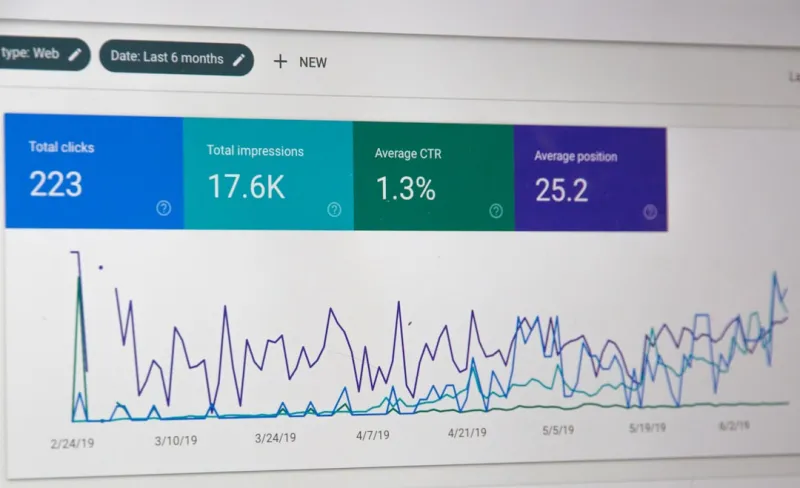
While position on the SERP is still a key KPI, modern SEO requires a broader lens that includes user‑centric metrics such as conversion rate, average session duration, and assisted conversions. Tools like Google Search Console and Analytics provide insight into how organic traffic interacts with your site, revealing bottlenecks in the conversion funnel that pure ranking data can’t expose. By setting up goal tracking for newsletter sign‑ups, product demos, or contact form submissions, you can directly tie SEO efforts to revenue impact, justifying budget allocations and informing future strategy adjustments.
Future‑Proofing Your SEO Playbook
The only way to stay ahead in the SEO game is to adopt a mindset of continuous learning, treating every algorithm update as an invitation to refine your craft. Emerging trends such as voice search optimization, AI‑generated content detection, and the integration of visual search demand that we expand our skill set beyond text‑centric tactics. Building a culture of experimentation—A/B testing meta tags, trying new content formats, and monitoring real‑time SERP changes—ensures that you can pivot quickly when the landscape shifts. In the end, the most resilient SEO strategies are those that blend technical rigor, creative storytelling, and a deep understanding of human intent.
Closing Thoughts: SEO as an Ongoing Conversation
SEO is no longer a one‑time project; it’s an ongoing dialogue between your brand, your audience, and the search engines that mediate that relationship. By prioritizing user intent, nurturing high‑quality backlinks, optimizing technical foundations, and embracing data‑driven insights, you create a virtuous cycle that fuels sustainable growth. Remember, each tweak you make is a note in a larger symphony—when all the instruments play in harmony, the result is a resonant, lasting presence that dominates the digital stage.

Steven McClurry is a freelance writer. He loves to write controversial topics and on a wide rang of topics. When is not online he is hanging out at his college campus or playing online games.
Related Posts
Visual Search Optimization: How Images Are Redefining SEO
Explore the rise of visual search and master image SEO with practical tactics, structured data tips,... Read More

Mastering Modern SEO: Strategies That Outpace the Algorithm
Explore advanced SEO techniques—from semantic cores to AI tools—that boost rankings, enhance use... Read More

Redefining SEO: A Human‑First Narrative for Sustainable Rankings
A fresh take on SEO that blends authentic storytelling, micro‑moment targeting, and solid technica... Read More
Top Posts

Guarding Trade Secrets in a Remote‑First World
Learn essential steps for protecting trade secrets in remote teams, from airtight NDAs to tech safeguards and rapid breach response....Read More

Finding Emotional Agility After Divorce: A Practical Guide for Professionals
Divorce reshapes life, but you can reclaim control by mastering emotional agility. This guide offers practical steps—from feelings inventories to tech toolsâ€...Read More

The Gig Economy’s Tax Revolution: What Companies and Contractors Must Know
The gig economy is redefining labor, and tax law must keep pace. This guide explains worker classification, estimated taxes, cross‑border issues, and practica...Read More

Gig Economy Worker Classification: Legal Minefield & Strategies
The gig economy’s rapid growth has sparked a legal battle over worker classification. This article breaks down the employee vs. independent contractor debate,...Read More
0 Comments
Post Comment
You will need to Login or Register to comment on this post!