

Why Traditional SEO Tactics No Longer Cut It
When I first fell in love with search engine optimization, I chased backlinks like a dog after a squirrel, believing that sheer quantity would drown out any algorithmic nuance; today, that naïve approach feels as outdated as dial‑up internet, and the industry has moved toward a far more sophisticated dance of relevance, experience, and intent. Google’s evolving AI layers now evaluate content the way a human editor would, rewarding pages that demonstrate genuine expertise, comprehensive coverage, and a clear answer hierarchy over those that merely hoard link juice. The shift means that semantic relevance and user satisfaction metrics have become the new currency, and any strategy still rooted in keyword stuffing or low‑quality link farms is destined to tumble into the abyss of lost rankings.
The Power of Semantic Core & User Intent
In my recent audits, I’ve discovered that the most resilient rankings come from building a robust semantic core—clusters of related terms, entities, and questions that together paint a full picture of the topic at hand, satisfying the myriad ways a searcher might phrase a need. By mapping out primary, secondary, and tertiary keywords and weaving them naturally into headings, FAQs, and supporting copy, you create a knowledge hub that signals authority to both users and crawlers alike. This approach not only aligns with the latest Google Helpful Content Update but also prepares your site for the inevitable rise of voice and conversational queries, where context trumps exact match.
Leveraging Structured Data for Visibility
Structured data is the quiet backstage crew that makes your content shine on SERPs, turning ordinary listings into rich results, FAQ boxes, and even sitelinks that capture attention before a user even reads a snippet. Implementing schema.org markup for articles, products, and breadcrumbs tells search engines exactly what each element represents, reducing ambiguity and increasing the chance of featured snippets—a prized real‑estate spot that drives clicks without the need for ad spend. The trick is to keep the markup clean, up‑to‑date, and reflective of the actual page content; otherwise, Google may penalize you for deceptive practices, eroding trust and visibility.
Building Authority in a Link‑Scarce World
With the link economy tightening, the emphasis has shifted from the sheer number of backlinks to the quality, relevance, and contextual fit of each reference, making outreach a strategic art rather than a numbers game. I now prioritize earning links from niche publications, industry forums, and authoritative blogs that share a genuine audience overlap, as these signals carry more weight in Google’s eyes than a flood of low‑authority mentions. One effective tactic is to create data‑driven studies or original research that naturally attract citations—a method I’ve used to turn a modest case study into a backlink magnet across reputable sites.
Content Refresh: The Secret Sauce for Evergreen Rankings
Content is not a set‑it‑and‑forget‑it asset; it’s a living organism that must evolve alongside user expectations, algorithmic changes, and emerging trends, which is why regular audits and updates are non‑negotiable for sustained SEO health. By revisiting older posts, adding current statistics, updating internal links, and expanding on newly relevant subtopics, you signal to Google that the page remains a trusted, up‑to‑date resource, often resulting in a ranking boost that rivals the impact of a brand‑new piece. Remember to republish with a refreshed date stamp only when the changes are substantive, and always maintain a changelog for transparency.
Internal Linking as an Authority‑Building Engine
Effective internal linking is the circulatory system of your website, delivering link equity, context, and crawlability to the pages that need it most, while simultaneously guiding users along logical pathways that keep them engaged longer. I recommend a hierarchical approach: core pillar pages receive inbound links from supporting articles, each of which contains contextual outbound links back to the pillar and to related clusters, forming a web of relevance that search engines love. For example, when discussing the legal nuances of digital marketing, a well‑placed link to When Criminal Law Meets the Digital Age: Navigating Modern Challenges adds depth and authority, showing that your content lives within a broader, expert ecosystem.
Embracing AI‑Powered Tools Without Losing the Human Touch
Artificial intelligence has become a double‑edged sword in SEO, offering powerful data analysis, content generation, and predictive insights while also raising the bar for originality and authenticity. I harness AI for keyword clustering, SERP feature tracking, and content gap identification, but I always layer human expertise on top to ensure tone, nuance, and brand voice remain unmistakably yours—a balance that prevents your pages from sounding like generic robot output. The ultimate goal is to let AI handle the heavy lifting of research and optimization, freeing you to craft compelling narratives that resonate emotionally with readers, a factor that still drives click‑through and dwell time.
Measuring Success: Beyond Rankings to Real Business Impact
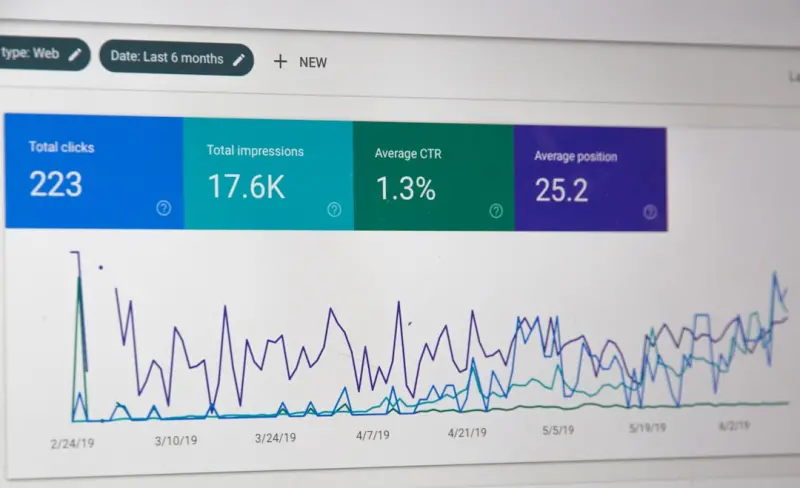
SEO success metrics have matured beyond mere position tracking; today, we must tie organic performance to tangible business outcomes like lead quality, conversion rates, and customer lifetime value, which requires robust analytics setups and clear attribution models. By integrating Google Search Console data with CRM systems, you can trace keyword clicks to actual sales pipelines, revealing which content pieces truly move the needle and which are merely vanity traffic. This data‑driven perspective not only justifies SEO spend to stakeholders but also uncovers hidden opportunities for content expansion, product development, and personalized user experiences.

Steven McClurry is a freelance writer. He loves to write controversial topics and on a wide rang of topics. When is not online he is hanging out at his college campus or playing online games.
Related Posts

The Evolution of SEO: A Comprehensive Guide
The evolution of SEO is complex and influenced by various factors, including family law. Learn how t... Read More
Semantic Content Clusters: The New Frontier for Voice Search
Discover a step‑by‑step framework for creating semantic content clusters that align with voiceâ€... Read More

The Impact of Family Law on SEO Strategies
The intersection of family law and SEO presents a complex landscape that requires a deep understandi... Read More
Top Posts

AI‑Powered Workplace Surveillance: Legal Risks and How to Protect Employee Rights
AI monitoring tools promise efficiency but raise serious legal and privacy concerns. Discover the risks, emerging case law, and actionable strategies for worker...Read More

When the Storm Hits: How Parametric Insurance is Rewriting Risk in the Age of Climate Uncertainty
Parametric insurance offers near‑instant payouts based on predefined climate triggers, providing SaaS companies with rapid liquidity and resilience. This arti...Read More

Crypto, NFTs, and the Marriage Contract: What Couples Need to Know
A practical guide for couples on integrating cryptocurrency and NFTs into marriage contracts, covering ownership, valuation, tax, and privacy considerations....Read More

Emerging Trends in Insurance Law: Understanding the Complexities of Liability and Regulation
The insurance industry is undergoing significant changes, driven by advancements in technology, shifts in consumer behavior, and evolving regulatory landscapes....Read More
0 Comments
Post Comment
You will need to Login or Register to comment on this post!