
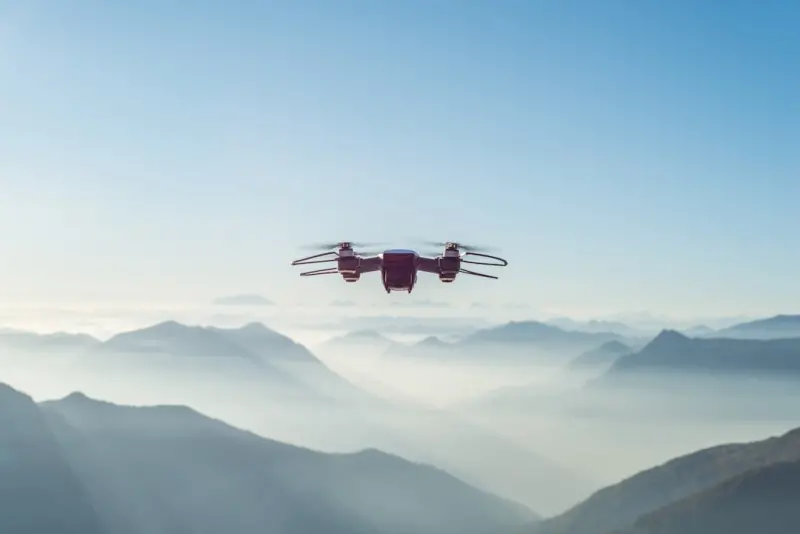
Why Drones Are the New Personal Injury Frontier
When I first started handling personal injury cases, the most common scenarios were car accidents, slip‑and‑fall incidents, and workplace injuries. Today, a new player is soaring into the courtroom: the delivery drone. From buzzing package carriers to hobbyist quadcopters, these aerial devices are becoming a daily sight in our neighborhoods, and with that visibility comes a surge of injuries that many attorneys—and insurers—are still learning to navigate.
The Sky Isn’t the Limit: Real‑World Injuries We’re Seeing
In the past twelve months alone, my office has fielded dozens of calls about drone‑related mishaps. Here are the most frequent:
- Impact injuries: A drone loses control and crashes into a passerby, causing head lacerations or broken bones.
- Fire hazards: Faulty batteries overheat, igniting nearby foliage or causing burns to anyone nearby.
- Privacy‑related physical confrontations: A homeowner attempts to block a drone and is struck by the propellers.
- Noise‑induced hearing loss: While rare, prolonged exposure to low‑frequency drone hum near construction sites has been linked to temporary hearing impairment.
Each of these scenarios presents unique legal challenges. Traditional personal injury doctrines still apply—negligence, strict liability, and product liability—but the technological nuances demand a fresh investigative approach.
Understanding the Legal Landscape
The Federal Aviation Administration (FAA) regulates commercial drone operations under Part 107, but that framework focuses on airspace safety, not ground‑level personal injury. Meanwhile, state tort law governs most of the claims we see. The key questions typically revolve around:
- Who’s at fault? Is it the drone operator, the manufacturer, or the software developer?
- Was the drone properly maintained? Battery health, propeller condition, and firmware updates all factor into a negligence analysis.
- Did the victim assume any risk? For example, a park visitor who knowingly walks under a known drone flight path might face comparative negligence.
Because the law is still catching up, I often advise clients to preserve every piece of evidence—flight logs, maintenance records, and even the drone’s black box (yes, many models now include one!). This data can be the difference between a settlement and a courtroom battle.
Product Liability and the Manufacturer’s Role
Many drone injuries stem from equipment failures. A defective motor that seizes mid‑flight, or a battery that explodes, can trigger a classic product liability claim. To succeed, plaintiffs must prove:
- The product was defective when it left the manufacturer’s control.
- The defect was the proximate cause of the injury.
- The defect existed despite reasonable testing and quality‑control measures.
Manufacturers often rely on the “state of the art” defense, arguing that the technology was as safe as it could be at the time of production. That’s where expert testimony becomes essential. In several recent cases, I’ve worked with engineers who demonstrated that a simple firmware update—available months before the incident—could have prevented the malfunction.
Operator Negligence: Not All Drones Are Autonomous
Although autonomous flight modes are becoming more common, the majority of incidents still involve human operators. Common operator errors include:
- Flying below the legal altitude limit (400 feet in most jurisdictions) in congested areas.
- Failing to conduct a pre‑flight visual inspection of the drone.
- Operating while distracted—think texting, eating, or even talking on the phone.
When an operator neglects these duties, the negligence claim is straightforward. However, the line blurs when a drone’s software makes an autonomous decision that leads to an accident. In those gray areas, courts often examine the design of the autonomy system and whether the operator had reasonable control to intervene.
Insurance Gaps and Why They Matter
One surprise many clients discover is that typical homeowner’s insurance policies either exclude drone-related injuries or offer minimal coverage. Commercial operators usually carry a separate liability policy, but the limits can be surprisingly low—often $1 million, which may not cover severe injuries.
Because of these gaps, victims sometimes find themselves navigating a patchwork of policies: the operator’s liability, the manufacturer’s product liability coverage, and even the property owner’s insurance if the drone was flying over private land. Understanding which policy is primary can be a maze, but it’s a crucial step toward full compensation.
Emerging Trends: Delivery Drones and the “Last‑Mile” Challenge
Major retailers are piloting “last‑mile” delivery drones to bring packages straight to a customer’s doorstep. While the convenience factor is undeniable, the close‑proximity nature of these deliveries raises new concerns:
- Package weight: A 5‑lb package dropping from a few feet can cause serious injury.
- Landing zones: Many drones now use “soft‑landing” technology, but miscalculations can send them crashing into a porch railing or a pet.
- Urban density: In crowded apartment complexes, a drone misfire can affect multiple residents simultaneously.
As these services scale, I anticipate a wave of class‑action lawsuits alleging inadequate safety testing and insufficient public notification. Companies will need to balance rapid deployment with rigorous risk assessments—something that seasoned personal injury lawyers are already preparing for.
Preparing for a Drone‑Related Claim: A Practical Checklist
If you or a loved one has been injured by a drone, follow these steps to protect your rights:
- Seek medical attention immediately. Even if injuries seem minor, document every symptom.
- Gather evidence on the scene. Take photos of the drone, its surroundings, and any visible damage.
- Request flight data. Operators are required to retain logs for a certain period; these records can reveal altitude, speed, and any error codes.
- Preserve the drone, if possible. Do not move it unless it poses a safety hazard. This allows for a forensic examination.
- Notify the operator and manufacturer. A written notice creates a paper trail that can be crucial for insurance negotiations.
- Contact an experienced personal injury attorney. The complexity of drone law makes specialized representation essential.
Beyond Drones: The Broader Impact of Emerging Tech on Personal Injury
While drones are the headline, they’re part of a larger tech wave reshaping injury law. From algorithmic hiring pitfalls that affect workplace safety to the international family law intricacies that arise when an accident crosses borders, the legal ecosystem is more interconnected than ever.
What does this mean for the everyday plaintiff? It means that a savvy attorney must not only understand traditional negligence principles but also be fluent in the language of firmware updates, data logs, and cross‑jurisdictional regulations. The future of personal injury law is no longer confined to sidewalks and highways—it’s soaring overhead.
Looking Ahead: Policy Recommendations
To protect the public and provide clarity for courts, I advocate for several policy changes:
- Standardized drone safety certifications. Similar to vehicle crash tests, drones should undergo rigorous impact testing before market release.
- Mandatory public disclosure of flight paths. Real‑time mapping would allow residents to stay informed about nearby drone activity.
- Higher liability caps for commercial operators. As drone traffic increases, insurers must adjust limits to reflect potential injury severity.
- Unified reporting mechanisms. A national database for drone incidents would streamline investigations and help identify systemic safety issues.
Until these reforms take hold, the burden falls on each of us—operators, manufacturers, insurers, and legal professionals—to prioritize safety and accountability.
Final Thoughts: Turning a New Threat into an Opportunity for Justice
Personal injury law has always been about leveling the playing field when technology or circumstance creates an imbalance. Drones are just the latest chapter in that story. By staying informed, preserving evidence, and partnering with attorneys who understand both the legal and technical dimensions, injured parties can secure the compensation they deserve.
If you’ve been affected by a drone mishap, don’t wait. The window for preserving crucial evidence is narrow, and the law evolves quickly. Reach out today, and let’s chart a course toward the justice you’re entitled to.

Allison Jarvis is a dynamic digital media and marketing professional dedicated to driving brand growth through impactful storytelling. With a sharp eye for market trends and a passion for data-driven strategies, she specializes in building cohesive online identities that resonate with modern audiences. Allison blends creative content production with robust analytics to maximize engagement and deliver measurable ROI. She continuously explores emerging digital tools to keep her projects ahead of the curve.
Related Posts

E‑Scooter Crashes: Unraveling Liability in the Urban Jungle
E‑scooter accidents are reshaping personal injury law. This article breaks down manufacturer, rent... Read More
When the Gig Economy Gets Hurt: Personal Injury Law in the Age of Delivery Apps
The surge of gig‑economy delivery work has created new personal injury challenges. This article ex... Read More
Concussion Claims for Amateur Athletes: What You Need to Know
A comprehensive guide for amateur athletes and families navigating concussion injuries, covering lia... Read More
Top Posts

Safeguarding Your Children’s Financial Future When Divorce Happens
Discover essential tools—custodial accounts, trusts, and UCC guidelines—to secure your kids' financial future amid divorce, and avoid common pitfalls with e...Read More

Data Portability: The Quiet Revolution Reshaping Privacy Law
Data portability is becoming a core requirement of privacy law worldwide. This article explains the legal, technical, and operational steps companies need to ta...Read More

When Algorithms Meet the Gavel: Criminal Law in the Age of AI
An in‑depth look at how deep‑fake videos, algorithmic policing, and cryptocurrency offenses are transforming criminal law, with practical guidance for lawye...Read More
Parametric Insurance: Data‑Driven Triggers Redefining Climate Risk Coverage
Parametric insurance uses objective data triggers for rapid payouts, but it raises novel legal challenges around basis risk, bad‑faith claims, and jurisdictio...Read More
0 Comments
Post Comment
You will need to Login or Register to comment on this post!