
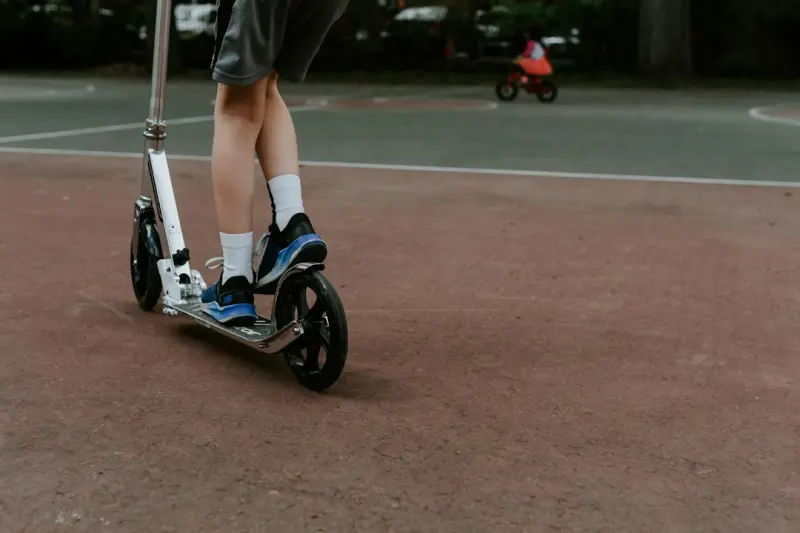
Why Electric Scooters Are the New Hotspot for Personal Injury Claims
When I first saw a courier zip past me on a sleek, electric two-wheeler, I thought, “Cool gadget, but where’s the insurance?” Fast‑forward a few months and the streets are teeming with dock‑less scooters, delivery riders, and weekend commuters. What started as a novelty has morphed into a daily reality, and with that comes a wave of injuries that traditional personal injury practice models simply weren’t built to handle.
The Speed of Adoption vs. The Speed of Regulation
Municipalities love the buzz. Electric scooters promise reduced traffic congestion, lower emissions, and a tech‑savvy image. Companies love the low‑cost, high‑visibility model. But regulators are playing catch‑up, and that gap creates a legal minefield for anyone who falls off a scooter, gets hit by a car while riding, or suffers a malfunction that leads to injury.
In my practice, I’ve seen three recurring fault lines:
- Ownership ambiguity: Who is liable when a scooter is owned by a private individual versus a fleet operator?
- Data gaps: Without reliable trip logs, reconstructing the accident becomes a game of “he‑said‑she‑said.”
- Cross‑jurisdictional confusion: A rider can start a trip in one city, end it in another, and the applicable statutes may differ dramatically.
Who’s on the Hook? The Liability Puzzle
Traditional personal injury cases often involve a clear defendant: a negligent driver, a property owner, or a manufacturer. With electric scooters, the potential defendants multiply:
- Scooter companies: They provide the equipment, maintain the fleet, and often set the terms of service that limit their liability.
- Municipalities: When a city permits scooter operations on public sidewalks or bike lanes, it may be deemed a “dangerous condition” if proper signage or regulations are absent.
- Third‑party manufacturers: The battery, brakes, or firmware can be at fault, especially if a defect leads to a crash.
- Other road users: Cars, bicycles, and pedestrians who fail to yield or who collide with a scooter rider.
Determining the primary negligent party often hinges on data—something that’s still evolving. Many operators now claim to collect GPS, speed, and even accelerometer data, but privacy policies and wearable‑tech privacy rules can restrict access for litigation.
The Role of Digital Evidence—and Its Pitfalls
Imagine you’re suing a scooter company for a sudden loss of power that caused you to tumble. The ideal proof would be a detailed trip log showing a spike in battery temperature minutes before the crash. However, many operators store that data in the cloud, subject to deepfake‑related authenticity challenges. Courts are beginning to scrutinize the chain of custody for digital evidence, especially when the data could be altered or fabricated.
What does this mean for the injured rider?
- Preserve the scene: Take photos, videos, and screenshots of the scooter’s display (if any) at the time of the incident.
- Request data promptly: Under many state data‑access statutes, you have a limited window to demand the trip logs before they’re purged.
- Engage a forensic expert: A digital forensics professional can validate the integrity of the logs and testify to their authenticity.
Statutory Frameworks: A Patchwork Quilt
Because scooters blur the line between motor vehicle and pedestrian, states have adopted a variety of approaches:
- Classification as “motor vehicles”—subject to the same traffic laws and insurance requirements as cars.
- Classification as “bicycles”—often exempt from certain helmet laws but still covered by bicycle statutes.
- Unique “micromobility” statutes—new laws that create a middle ground, imposing specific speed caps and rider age limits.
This variability makes it essential for a claimant’s attorney to research local ordinances, state statutes, and even municipal codes. A misstep can cost a case before it even reaches the discovery phase.
Insurance Realities: Who Pays the Bill?
Most scooter companies carry what’s called “general liability” insurance, but the coverage limits can be surprisingly low—often $1 million per incident. That may sound sufficient, but severe spinal injuries or traumatic brain injuries can exceed that ceiling, leaving victims to chase additional sources of compensation.
On the rider side, a few jurisdictions now require users to have personal injury protection (PIP) or to purchase a short‑term policy through the app. Yet adoption is sparse, and many riders simply click “I agree” without reading the fine print.
Common Injury Types and Their Long‑Term Impact
While a scraped knee feels trivial, the data tells a different story. A 2023 study (published by a reputable public health institute) found that:
- Over 35% of scooter‑related emergency visits involve head injuries.
- Fractures of the wrist, clavicle, and ankle make up 40% of orthopedic cases.
- Long‑term disability claims for scooter accidents have risen by 22% in the past two years.
These figures matter because they shape the damages calculation—medical expenses, lost wages, and, crucially, future care costs.
Strategic Litigation: Tailoring Your Approach
When I take on a scooter injury case, I follow a three‑step strategy:
- Fact‑Finding Blitz: Within the first 48 hours, I secure the scooter (if possible), collect digital evidence, and interview witnesses. The goal is to lock down the narrative before data is purged.
- Liability Mapping: I chart out every potential defendant—company, city, manufacturer—assigning a probability of fault based on the evidence. This map guides settlement negotiations and discovery requests.
- Future‑Proof Damages: I work with medical experts to project long‑term costs, from physical therapy to assistive technology, ensuring the compensation package reflects the full scope of the injury.
Negotiation vs. Trial: When to Push for a Jury
Scooter companies love to settle quickly. Their terms of service often contain arbitration clauses, but many riders aren’t aware they’ve waived their right to a jury trial. In cases with severe, life‑altering injuries, I advise clients to consider the jury route—especially when the company’s liability is clear but the damages are high.
However, a trial is costly and time‑consuming. If a settlement offers a fair compensation package that covers present and projected expenses, and the rider’s health permits a swift resolution, I may recommend accepting. Each case is a balancing act between the client’s immediate needs and the potential for a larger, albeit uncertain, verdict.
Emerging Trends: From Dock‑Less to Autonomous Pods
We’re already seeing the next wave: autonomous delivery pods that navigate sidewalks and bike lanes. While they promise to reduce human error, they introduce a fresh liability question—who’s at fault when a self‑driving pod collides with a pedestrian?
The answer will likely mirror the scooter debate: a blend of manufacturer defect claims, software negligence, and possibly municipal responsibility for permitting autonomous operations on public pathways. Attorneys who stay ahead of these trends will be better positioned to protect victims in an increasingly tech‑driven environment.
Practical Tips for Riders Who Want to Stay Safe (and Legally Protected)
- Wear a helmet: Even in states where it’s not required, a helmet dramatically reduces head‑injury risk.
- Check the scooter: Before you hop on, inspect brakes, tires, and battery indicators. Document any visible defects.
- Know the local rules: Some cities ban scooters on sidewalks; others require a minimum age. Ignorance isn’t a defense.
- Save the ride data: Take screenshots of the app’s trip summary immediately after a crash.
- Seek medical attention promptly: Some injuries (like concussions) aren’t obvious right away, and a medical record is vital for any claim.
Conclusion: Turning a Modern Mishap Into a Proven Claim
Electric scooters are here to stay, and with them comes a new frontier in personal injury law. The rapid pace of adoption, the patchwork of regulations, and the evolving nature of digital evidence create both challenges and opportunities for injured riders.
If you or a loved one has been harmed in a scooter incident, don’t let the novelty of the technology obscure your right to compensation. A seasoned personal injury attorney can untangle the liability web, preserve crucial data, and fight for a recovery that reflects the true cost of your injuries.
Feel free to reach out—whether it’s to discuss a recent crash, evaluate your case’s merits, or simply understand your rights in this rapidly changing landscape.

Liam James Professor with a PHD. & content creator with a passion for sparking curiosity and sharing knowledge. Driven by the joy of learning and storytelling, I bring ideas to life in every project. Always exploring, always teaching.
Related Posts

When the Metaverse Gets Real: Personal Injury Law in Immersive Worlds
The rise of immersive tech is blurring lines between digital and physical, prompting fresh personal ... Read More
When Wearables Injure: Personal Injury Law Meets the Age of Smart Devices
Smart wearables, e‑scooters, and telehealth are creating new personal injury challenges. This arti... Read More

Tech‑Savvy Personal Injury: Wearables, Telehealth, and the New Age of Liability
From smartwatch data to autonomous vehicle black boxes, personal injury law is evolving with technol... Read More
Top Posts

The Power of Semantic Topic Clusters: A Data‑First Blueprint for SEO Success
Learn a data‑first approach to SEO by creating semantic topic clusters that combine pillar pages, structured data, and continuous testing, driving authority a...Read More

When Tech Meets the Gavel: The Future of Criminal Law
A deep dive into the digital transformation of criminal law, examining the rise of AI, privacy battles, and how courts are adapting to a tech‑driven justice s...Read More
Redefining Impaired Driving: Tech, Policy, and Community in the Connected Age
A fresh look at impaired driving reveals how biometric wearables, rideshare platform accountability, and community‑based initiatives can work together to prev...Read More
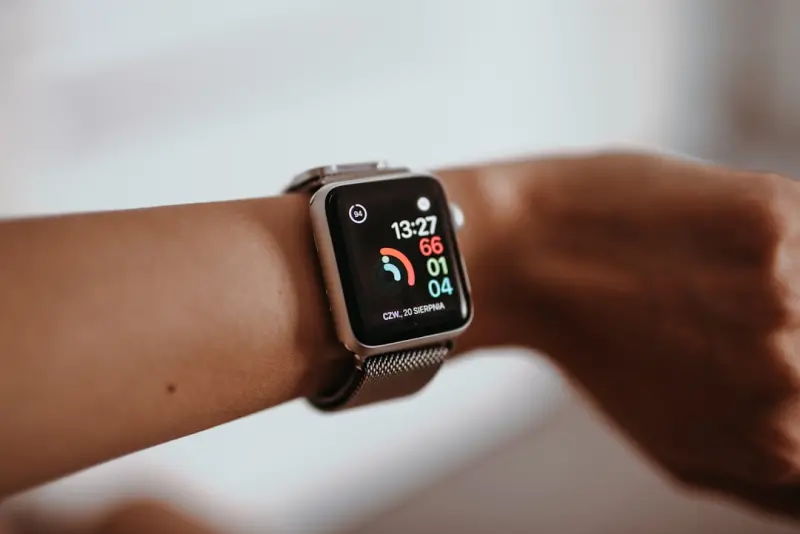
When Smartwatches Turn into Witnesses: How Wearable Tech Is Reshaping Personal Injury Law
Wearable devices are now courtroom witnesses, providing objective data that can confirm or refute injury claims. This article examines the legal challenges, pri...Read More
0 Comments
Post Comment
You will need to Login or Register to comment on this post!