
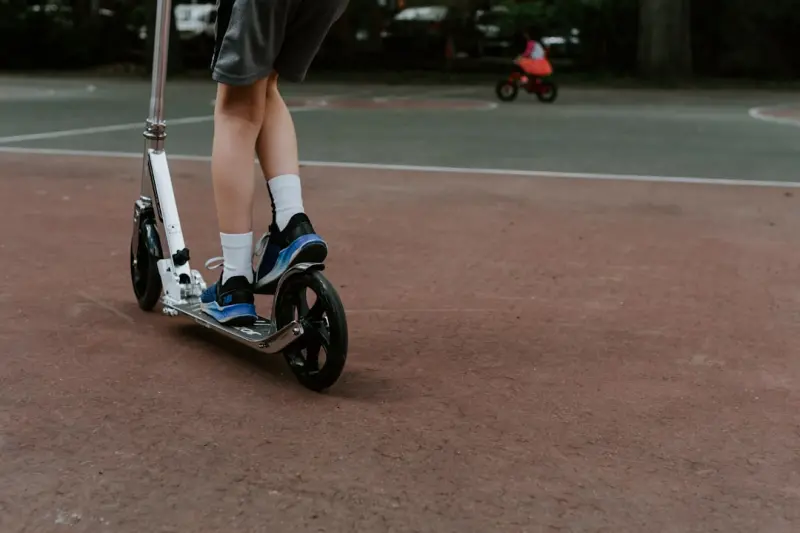
The Micromobility Explosion and Its Legal Fallout
In the past few years, electric scooters have zipped from novelty to everyday commuter in cities across the nation. Their convenience is undeniable: hop on, zip past traffic, and park right on the sidewalk. Yet, as the micromobility boom accelerates, so does a startling uptick in injury reports. From twisted ankles on uneven pavement to severe head trauma after a high‑speed collision, the spectrum of injuries is broad—and the legal ramifications are evolving faster than most municipalities can legislate.
Why E‑Scooter Injuries Are a New Frontier in Personal Injury Law
Traditional personal injury frameworks were built around cars, trucks, and pedestrian accidents. E‑scooters, however, blur the line between “vehicle” and “personal equipment.” This hybrid status creates ambiguity around:
- Duty of care: Who owes a rider a duty of care? The city, the scooter‑sharing company, the rider themselves, or a combination?
- Comparative negligence: Many accidents involve both a rider’s misstep and a third‑party’s negligence. Courts are now grappling with how to apportion fault.
- Regulatory gaps: While some cities have enacted helmet mandates or speed caps, others lack clear statutes, leaving victims to navigate a patchwork of local ordinances.
Who Can Be Held Liable?
The answer is rarely simple. Below are the primary parties that could be on the hook for an e‑scooter injury claim:
- Scooter‑sharing companies: They control the fleet, set usage policies, and are responsible for maintenance. A failure to inspect a scooter for faulty brakes could be deemed negligent.
- Municipalities: If a city’s infrastructure—cracked sidewalks, poor lighting, or inadequate bike lanes—directly contributes to a crash, the city may share liability.
- Third‑party drivers: A car that fails to yield or a cyclist who collides with a rider can be held responsible under standard traffic negligence principles.
- The rider: Riders are expected to follow traffic laws, wear helmets where required, and operate the scooter safely. Ignoring these duties can reduce or even bar recovery under comparative fault rules.
Case Study: The Slip‑And‑Fall on a City Plaza
Imagine a commuter who rents an e‑scooter, rides through a downtown plaza, and hits a loose paving stone that causes the scooter to wobble and the rider to fall. The rider sustains a fractured wrist and a concussion. In this scenario, liability could be split among:
- The car subscription liability insights offered by the scooter operator for fleet maintenance,
- The city for failing to repair the pavement in a timely manner, and
- The rider for not wearing a helmet, assuming a local helmet law exists.
Courts would examine maintenance logs, city work orders, and any prior complaints about the same plaza. The outcome often hinges on who had the best chance to prevent the hazard.
Insurance: The Unseen Safety Net
Most major scooter‑sharing platforms carry general liability coverage that protects against third‑party bodily injury claims. However, the policies vary widely in scope, limits, and exclusions. Riders should be aware that:
- Some policies exclude injuries that occur when the rider is under the influence of alcohol or drugs.
- Coverage may not extend to damages incurred while riding on private property without permission.
- Medical expenses incurred beyond the policy’s limit could become the rider’s responsibility.
Because of these nuances, many riders opt for supplemental personal injury insurance—often offered through the app itself—for added peace of mind.
Medical Treatment and the Role of Technology
Following an e‑scooter accident, timely medical care is not just a health priority; it’s a legal one. Prompt documentation of injuries can be the difference between a successful claim and a dismissed case. In recent years, AI‑driven medical liability tools have begun to play a role. Telehealth platforms can quickly connect injured riders with physicians, generate electronic medical records, and even flag potential red‑flags for insurers.
Nevertheless, riders should be cautious. While telehealth offers convenience, some insurers still view in‑person evaluations as the gold standard for injury verification. A balanced approach—initial telehealth followed by a physical exam—often satisfies both medical and legal requirements.
Documenting the Accident: A Step‑by‑Step Checklist
For anyone involved in an e‑scooter incident, thorough documentation is vital. Below is a practical checklist to follow immediately after the crash:
- Secure the scene: Move to a safe location if possible, but keep the scooter and any debris as evidence.
- Take photos: Capture the scooter’s condition, surrounding environment, any visible hazards, and your injuries.
- Gather witness information: Names, phone numbers, and, if comfortable, brief statements.
- Report to the platform: Use the app’s built‑in reporting feature, which often timestamps the incident automatically.
- Seek medical attention: Even if injuries seem minor, get a professional evaluation and keep all records.
- Notify local authorities: In many jurisdictions, an official police report strengthens a claim.
- Preserve communications: Save any text messages, emails, or app notifications related to the ride.
Negotiating with Scooter Companies: What to Expect
After a claim is filed, the scooter operator’s legal team typically initiates a settlement discussion. Their goal is often to resolve the matter quickly and at a cost lower than a trial would demand. Common tactics include:
- Low‑ball offers: Proposing a modest sum that covers only basic medical bills.
- Statute of limitations arguments: Claiming that the rider waited too long to file, even if the delay is due to ongoing medical treatment.
- Comparative fault emphasis: Highlighting any rider negligence to reduce the payout.
Experienced personal injury attorneys can counter these tactics by leveraging:
- Detailed maintenance records obtained through discovery requests.
- Expert testimony on the city’s responsibility for sidewalk upkeep.
- Medical expert reports that clearly link the injury to the accident.
Emerging Legislative Trends
Governments are beginning to catch up with the rapid adoption of micromobility. Several cities have introduced or are debating legislation that could reshape liability landscapes:
- Mandatory helmet laws: Some jurisdictions are extending bike‑helmet requirements to e‑scooters, which would affect comparative fault calculations.
- Operator insurance caps: Proposals to set minimum liability coverage for scooter fleets aim to protect riders from underinsured operators.
- Data‑sharing mandates: Requiring companies to share trip data with city officials could improve infrastructure planning and reduce accident hotspots.
Staying informed about these regulatory shifts is essential for both riders and businesses. A proactive approach—such as advocating for clearer safety standards—can mitigate future disputes.
Practical Tips for Riders
Even the most diligent rider can’t eliminate every risk, but the following habits dramatically lower the chance of injury and strengthen any eventual claim:
- Inspect the scooter before riding: Check brakes, lights, and tire pressure. Document any defects.
- Follow traffic rules: Treat the scooter as you would a bicycle—stop at red lights, yield when required, and ride in designated lanes.
- Wear protective gear: Helmets, wrist guards, and reflective clothing aren’t just smart; they can reduce comparative fault percentages.
- Stay sober: Impaired riding is a common basis for claim denial.
- Limit speed on crowded streets: Reducing velocity gives you more reaction time and lessens the severity of crashes.
What Businesses Should Do Now
For companies that operate scooter fleets, the stakes are high. A single lawsuit can cost millions in damages, legal fees, and reputational harm. Here are actionable steps to safeguard your operation:
- Implement rigorous maintenance schedules: Log every inspection, repair, and parts replacement. Use a digital asset management system to track compliance.
- Invest in rider education: In‑app tutorials, safety videos, and real‑world workshops can reduce negligent behavior.
- Collaborate with municipalities: Share data on high‑incident zones to help improve infrastructure, which can also lower your exposure.
- Review insurance policies annually: Ensure coverage limits align with the size of your fleet and the jurisdictions you serve.
- Establish a rapid response team: A dedicated legal and public‑relations unit can address accidents promptly, preserving evidence and demonstrating good faith.
Looking Ahead: The Future of Micromobility Liability
As e‑scooters become embedded in the urban transportation fabric, the legal landscape will continue to morph. Anticipated developments include:
- AI‑powered risk assessment: Operators may use machine learning to predict high‑risk routes and pre‑emptively adjust fleet distribution.
- Standardized national statutes: A push for federal guidance could harmonize liability rules across state lines.
- Wearable technology integration: Smart helmets that record impact data could provide indisputable evidence in injury claims.
For both riders and companies, staying ahead of these trends isn’t just about compliance—it’s about protecting people’s health, livelihoods, and the bottom line.

Related Posts

Beyond the Uber: How Ride‑Share Accidents Are Redefining Personal Injury Law
Ride‑share accidents are creating new complexities in personal injury law. This post breaks down l... Read More

Micro‑Mobility Injuries: What Victims Need to Know
A deep dive into the legal complexities of e‑scooter and e‑bike accidents, covering liability, c... Read More

Remote‑Work Injuries: Redefining Personal‑Injury Law for the Home Office
The shift to remote work has turned living rooms into workplaces, sparking a surge in personal‑inj... Read More
Top Posts

Mastering Modern SEO: Strategies That Outpace the Algorithm
Explore advanced SEO techniques—from semantic cores to AI tools—that boost rankings, enhance user experience, and drive real business results in today’s c...Read More

When Reality Gets Edited: The Legal Battle Against Deepfakes
Deepfakes are challenging traditional legal concepts of truth, privacy, and evidence. This article examines emerging risks, forensic tools, contractual safeguar...Read More

When Algorithms Diagnose: Legal Boundaries of AI in Medicine
An in‑depth look at how AI diagnostic tools reshape medical liability, consent, and privacy, offering actionable guidance for clinicians navigating this legal...Read More

From Keywords to Context: Mastering SEO in an AI-First Web
Learn to shift from keyword‑centric tactics to a context‑driven SEO framework that leverages structured data, AI‑assisted content creation, and new perfor...Read More
0 Comments
Post Comment
You will need to Login or Register to comment on this post!