
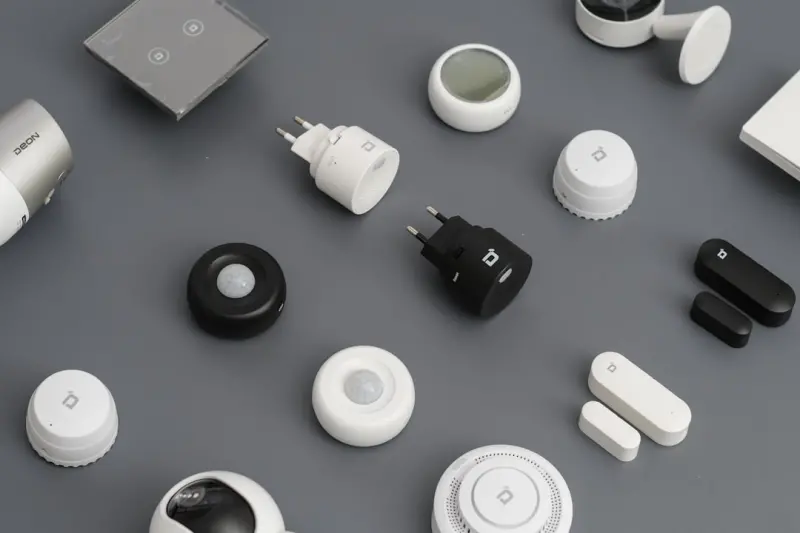
Smart speakers, connected thermostats, and internet‑enabled security cameras have slipped from novelty to household staple, quietly turning our living rooms into data‑rich ecosystems. Every “hey Alexa” or “good night” triggers a cascade of audio recordings, sensor logs, and usage metrics that travel to cloud servers often without a transparent audit trail. Understanding how that ambient data is captured, stored, and repurposed is the first step toward a privacy strategy that feels less like a mythic quest and more like everyday due diligence.
The Patchwork of Existing Protections
At present, the primary safeguards for home‑device data reside in broad statutes such as the General Data Protection Regulation and the California Consumer Privacy Act, which were crafted before the era of always‑listening gadgets. These regimes impose duties of transparency, purpose limitation, and data minimization, yet they leave critical loopholes—particularly around “ambient” collection that occurs without a clear user‑initiated trigger. As a result, many vendors interpret consent through vague “accept all” buttons, creating a legal gray zone where consumer expectations outpace statutory language.
Recent litigation has begun to test those boundaries, most notably in cases where voice‑assistant transcripts were subpoenaed for unrelated criminal investigations. In that context, the intersection of AI's impact on legal practice and privacy becomes starkly apparent: algorithms can sift through millions of utterances, flagging potential threats while simultaneously eroding the anonymity that traditional privacy law once guaranteed. Courts are now wrestling with whether the mere existence of a transcript constitutes a “record” subject to discovery, a question that could reshape the evidentiary landscape for years to come.
Even more nuanced is the issue of biometric data derived from voice prints—unique vocal characteristics that can be used for authentication or personalization. While the biometric privacy act addressed fingerprint and facial scans, it largely omitted voice as a biometric identifier, leaving a regulatory blind spot that savvy advertisers are already exploiting. To illustrate the ripple effect, consider how the biometric privacy challenges faced by companies handling fingerprints parallel those confronting voice‑data processors, underscoring the urgent need for legislative catch‑up.
Emerging State Initiatives and Enforcement Realities
In response to these gaps, a wave of state‑level bills is surfacing, aiming to codify “reasonable privacy settings” for internet‑of‑things (IoT) devices. Proposals in Colorado, Washington, and New York seek to mandate explicit opt‑in consent for continuous listening, impose data‑retention caps of 30 days, and require third‑party audits of machine‑learning models that analyze home‑audio streams. Although still in legislative limbo, these measures signal a shift toward granular, device‑specific regulation that could eventually eclipse the one‑size‑fits‑all approach of older statutes.
Enforcement, however, remains a formidable hurdle. Federal agencies lack the technical expertise to parse the intricacies of neural‑network‑based voice recognition, while state attorneys general often prioritize high‑profile data breaches over the quieter erosion of privacy in everyday appliances. Companies counter with arguments that anonymization and aggregation render the data “non‑personal,” a defense that courts have historically viewed with skepticism but have yet to fully test in the smart‑home arena. This tension creates a de facto “regulatory vacuum,” where proactive compliance becomes a competitive advantage rather than a legal necessity.
For businesses, the pragmatic path forward involves adopting a “privacy‑by‑design” mindset that starts at the firmware level. Encrypting audio streams before they leave the device, providing clear, on‑device toggles for listening modes, and publishing transparent data‑use policies can all mitigate the risk of future lawsuits and regulatory penalties. From a consumer standpoint, regular firmware updates, periodic reviews of privacy settings, and the use of network‑level firewalls to isolate IoT traffic are low‑cost habits that dramatically reduce exposure.
Looking ahead, the convergence of voice‑assistant technology with emerging trends like edge computing and federated learning promises both new privacy safeguards and fresh legal conundrums. As processing shifts from cloud to on‑device chips, the data never leaves the home, potentially sidestepping many existing obligations—but it also raises questions about who bears responsibility for algorithmic bias and error correction. The legal community must therefore prepare not just for the next generation of devices, but for the evolving definition of “personal data” itself, ensuring that the promise of convenience never eclipses the right to privacy.

Kris Kennel is a Paralegal outside of Austin, Texas where he spends most of his time helping users with legal matters that concern them. When he is not working he enjoys time with his wife and kids.
Related Posts
Biometric Surveillance and Privacy Law: What SaaS Must Know
Biometric data—from fingerprints to heart‑rate monitors—poses unique legal challenges. This ar... Read More
Data Fiduciaries: The Next Frontier in Privacy Law
The article examines the emerging data fiduciary model, its impact on privacy law, and practical ste... Read More
Synthetic Data, Real Risks: Navigating Privacy Law in the AI Age
Synthetic data offers AI breakthroughs but raises fresh privacy concerns. This article breaks down l... Read More
Top Posts

From Calendar Chaos to Collaborative Clarity: Rethinking Custody Scheduling
Traditional custody calendars are failing modern families. This post explores how digital dashboards, real‑time data, and collaborative tools can create flexi...Read More

Driving Legal Change: How Tech Is Reshaping Automotive Law
A deep dive into the latest trends reshaping automotive law—from self‑driving liability to data privacy—offering practical insights for drivers, insurers,...Read More

Emerging Battles in Medical Law: From Gene Editing to Patient Data Rights
A deep dive into the newest frontiers of medical law, from gene‑editing litigation and pharmaceutical pricing wars to AI‑driven consent and data breach resp...Read More

Beyond the Crash: How Wearable Tech is Rewriting Personal Injury Litigation
Wearable technology is becoming a silent witness in personal injury cases, providing precise, time‑stamped data that can prove the severity of an accident and...Read More
0 Comments
Post Comment
You will need to Login or Register to comment on this post!