

Unlocking the Power of Structured Data for Next‑Gen SEO
Search engines have become sophisticated interpreters of web content, and the most reliable way to speak their language is through structured data. By embedding schema markup directly into your HTML, you give crawlers clear, machine‑readable signals about the meaning of each element on a page, from product specifications to event dates. This precision not only improves indexation speed but also unlocks rich results that stand out in SERPs, driving higher click‑through rates and brand visibility.
Why Traditional Keyword Tactics Are Losing Their Edge
For years, SEO practitioners leaned on exact‑match keywords and backlink quantity as the primary levers of ranking, but today’s algorithms reward context over repetition. When a page is annotated with structured data, the search engine can bypass ambiguous text and surface the most relevant facts, reducing the reliance on keyword stuffing. This shift encourages creators to focus on genuine user intent, which aligns with the evolving landscape of SEO that prioritizes semantic relevance.
Implementing Schema.org Types That Matter Most
Not every schema type will deliver immediate ROI; the key is selecting those that match your business goals. For e‑commerce sites, Product, Offer, and Review schemas provide price, availability, and rating data that can appear as rich snippets, while LocalBusiness markup helps attract nearby customers through map packs. Content publishers benefit from Article, Breadcrumb, and FAQ schemas, which guide search engines through hierarchical structures and answer common queries directly on the results page.
Step‑by‑Step Guide to Adding Structured Data Without Breaking Your Site
Start by auditing your existing pages with Google’s Rich Results Test to identify missing markup opportunities, then map each content type to the appropriate schema.org definition. Use JSON‑LD scripts placed in the
section for cleaner code and easier maintenance; this format is recommended by Google and avoids cluttering the visible HTML. Finally, validate your implementation after each deployment, monitoring Search Console for indexing errors and tracking the impact on impressions and clicks.
Leveraging User‑Generated Content as Structured Signals
Customer reviews, Q&A sections, and community forums are treasure troves of authentic, fresh content that search engines love. By wrapping each piece of user‑generated data in Review or Question schema, you transform scattered comments into actionable data points that can surface as rich snippets. This approach not only amplifies social proof but also creates a virtuous cycle where new content fuels more rankings, attracting additional user contributions.
Advanced Use Cases: Structured Data for AR/VR Experiences
As augmented and virtual reality applications become mainstream, search engines are developing ways to surface immersive experiences directly in results. Implementing the VideoObject and InteractiveExperience schemas—still in beta but rapidly adopted—allows developers to tag 3D models, 360° videos, and WebXR experiences, giving them a foothold in emerging SERP features. Early adopters who embed these tags can claim premium real‑estate in search results, positioning their brand at the forefront of the next digital frontier.
Measuring the Impact: KPIs That Reflect Structured Data Success
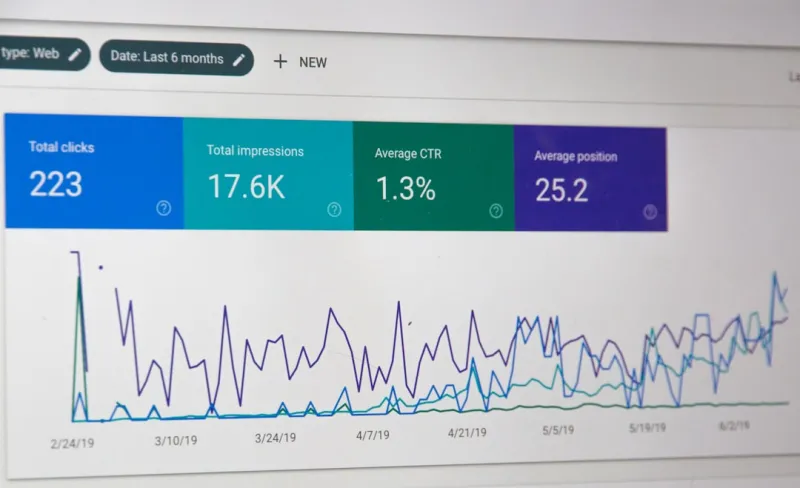
Traditional SEO metrics like organic traffic and keyword rankings remain important, but they don’t capture the full value of structured data. Track impressions and click‑through rates for specific rich result types via Google Search Console’s “Performance” report, and monitor the appearance of your markup in the “Rich Results” section. Additionally, measure micro‑conversion events—such as phone calls from Knowledge Panel listings or product purchases from rich snippets—to quantify revenue uplift directly tied to schema implementation.
Common Pitfalls and How to Avoid Them
One frequent mistake is over‑loading pages with irrelevant schema, which can trigger manual actions or cause Google to ignore the markup entirely. Stick to schema that accurately reflects the content on the page, and avoid using “Article” schema on a product page or “Product” schema on a blog post. Another trap is neglecting to keep markup up‑to‑date; outdated price or availability information can lead to user frustration and increase bounce rates, ultimately harming rankings.
Future Outlook: Structured Data as the Backbone of AI‑Powered Search
Artificial intelligence is reshaping how search engines synthesize information, and structured data serves as the foundational dataset for these models. As AI assistants become more conversational, they will pull from schema‑annotated facts to answer complex queries in a natural language format. By investing in comprehensive, accurate markup today, you position your site to be the authoritative source that AI relies on tomorrow, ensuring lasting visibility in an ever‑evolving search ecosystem.

I am Madden Persons, a content writer and digital influencer dedicated to crafting impactful stories and building authentic online connections. With a strategic approach to content creation, I develop engaging articles, digital campaigns, and social media narratives that help brands elevate their online presence and connect meaningfully with their target audiences.
Passionate about modern digital trends and audience engagement, I specialize in translating complex ideas into compelling content that sparks conversation, drives results, and strengthens brand identity.
Related Posts
Why Modern SEO Demands a Human‑First, Data‑Driven Playbook
A human‑first, data‑driven SEO strategy balances user intent, technical excellence, and smart li... Read More

The Rise of Conversational Search: Winning the Voice‑First SERP
A deep dive into conversational SEO for SaaS, covering intent mapping, structured data, AI‑assiste... Read More

The Future of SEO: Navigating the Complex Landscape of Online Visibility
The future of SEO is complex and multifaceted. Learn how to navigate the latest trends and best prac... Read More
Top Posts

When Tech Meets the Gavel: The Future of Criminal Law
A deep dive into the digital transformation of criminal law, examining the rise of AI, privacy battles, and how courts are adapting to a tech‑driven justice s...Read More

Restorative Justice: Redefining Accountability in Criminal Law
A deep dive into restorative justice reveals its potential to reshape criminal law, delivering real healing for victims while cutting repeat offenses....Read More

Deepfake Dilemmas: How the Law is Racing to Catch Synthetic Media
Deepfake technology is reshaping truth. This post untangles the legal maze, highlighting current laws, state battles, and future reforms while offering actionab...Read More

Surveilling the Modern Desk: Labour Law Meets Workplace Tech
This article examines the rise of workplace surveillance, outlining current legal standards, emerging risks, and practical steps for employers to protect privac...Read More
0 Comments
Post Comment
You will need to Login or Register to comment on this post!