
Why Plug‑In Power Isn’t Just a Tech Issue Anymore
When I first started covering automotive law, the conversation revolved around emissions standards, crash‑test data, and the endless battle over who should foot the bill for autonomous vehicle accidents. Today, the most electrifying debate isn’t about the car’s battery capacity—it’s about what happens when that battery talks back to the electric grid. Vehicle‑to‑Grid (V2G) technology promises to turn every plugged‑in EV into a tiny power plant, feeding electricity back during peak demand and drawing it when rates dip. On the surface it sounds like a win‑win, but the legal scaffolding that should support this exchange is still a work‑in‑progress, and the gaps are widening fast.
The Promise of V2G: A Quick Primer
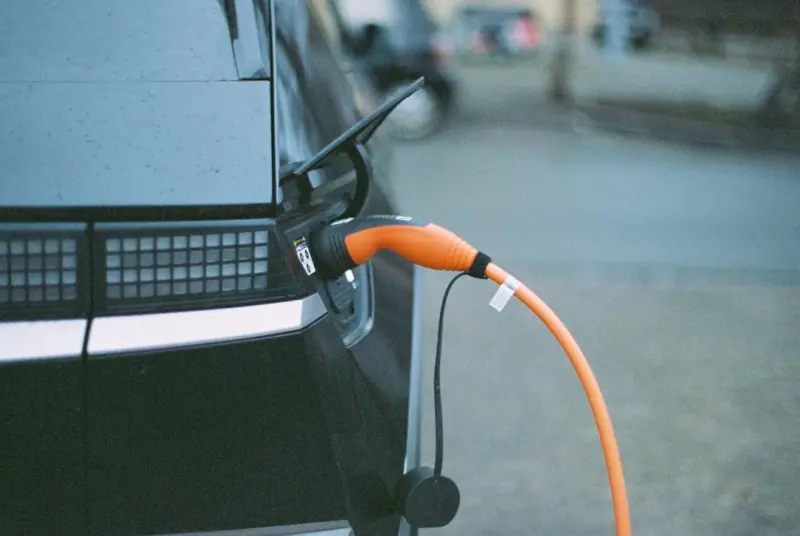
V2G lets an electric vehicle (EV) not only draw power from the grid but also dispatch it back, acting as a distributed energy resource. Utilities can tap into fleets of EVs for grid stability, while owners earn credits or direct payments. The technology is already being piloted in a handful of forward‑thinking municipalities and corporate campuses, where fleets of delivery vans or ride‑share cars are coordinated to respond to real‑time grid signals.
From a legal standpoint, this creates a tri‑partite relationship: the EV owner, the aggregator (often a third‑party platform that bundles many EVs), and the utility. Each brings its own set of contractual expectations, regulatory constraints, and risk profiles. The question isn’t whether V2G will work—it already does in test labs—but whether the law can keep pace with the market’s appetite for it.
Contractual Conundrums: Who Owns the Energy?
At the heart of V2G lies a deceptively simple question: when an EV pushes power back onto the grid, who owns that electricity? Traditional power purchase agreements (PPAs) are silent on this scenario because they were drafted before cars could become generators. This ambiguity has sparked a wave of bespoke contracts that try to allocate ownership, pricing, and liability.
Many early‑stage pilots rely on “net‑metering” clauses that credit owners for the kilowatt‑hours they export. However, net‑metering rules vary wildly by jurisdiction, and in some places the credits are capped or phased out altogether. Without a uniform framework, owners may find themselves in a situation where they are technically “selling” electricity but receiving no compensation, or worse, being held responsible for grid disturbances caused by a mis‑timed discharge.
To illustrate the pitfalls, see the discussion on software update liability. Just as manufacturers grapple with who is on the hook for a rogue OTA patch, V2G participants must pre‑emptively define who bears the risk when a vehicle’s discharge interferes with grid stability.
Regulatory Overlays: Navigating Utility Law and Energy Markets
Utilities are heavily regulated, and any new resource—especially one that’s mobile—must clear a thicket of state and federal rules. In many jurisdictions, only “qualified” generators can participate in ancillary services markets, and the definition of a qualified generator typically excludes private EVs. Some states have begun amending statutes to create “distributed storage” categories, but the language is often vague, leaving room for litigation.
Moreover, the Federal Energy Regulatory Commission (FERC) has issued guidance on “aggregated resources,” but it stops short of providing clear criteria for EV aggregators. This regulatory gray zone means that an aggregator could inadvertently violate market participation rules, exposing both the platform and the EV owners to fines or enforcement actions.
The lack of a coherent national policy also complicates cross‑state operations. A fleet operating in multiple states may need to comply with a patchwork of rules, each demanding a different reporting format, tariff structure, or certification process. The administrative burden alone can dissuade smaller players from entering the market.
Consumer Protection: Are EV Owners Getting a Fair Deal?
From a consumer law perspective, V2G raises red flags around transparency and fairness. Owners must be told, in plain language, how their battery cycles will be affected, what compensation they can expect, and what recourse they have if the system underperforms. Yet many pilot agreements are buried in legalese, mirroring the dense contracts we see in car subscription services. This opacity can lead to disputes over battery degradation, unexpected fees, or disputed payment calculations.
Battery health is a tangible concern. Repeated deep discharges to supply grid power can accelerate degradation, shortening the vehicle’s usable life. If an aggregator promises a certain rate of return but fails to account for this wear‑and‑tear, owners may have grounds for a claim under warranty law or consumer fraud statutes. Some jurisdictions already consider battery degradation a “latent defect” if not disclosed upfront.
Additionally, data privacy cannot be ignored. V2G platforms collect granular data on when, where, and how much power a vehicle supplies. This data can reveal personal travel patterns, raising questions about compliance with privacy statutes such as the California Consumer Privacy Act (CCPA) or the European GDPR for cross‑border operations.
Insurance Implications: New Perils, New Policies
Insurance carriers are beginning to recognize V2G as a distinct exposure. Traditional auto insurance covers collision, comprehensive, and liability risks, but V2G introduces “energy‑related” liabilities. If a vehicle’s discharge causes a grid outage that leads to property damage, who is on the hook? The owner? The aggregator? The utility?
Some insurers are crafting endorsement clauses that specifically address V2G participation, often requiring owners to maintain a minimum battery health level or to limit the amount of energy they can export per day. These endorsements come at a premium, and the underwriting data is still scarce, meaning pricing is volatile. This nascent insurance market could become a barrier to entry for smaller fleet operators who cannot absorb the added cost.
Taxation and Incentives: Who Gets the Credit?
Governments worldwide are offering incentives to accelerate EV adoption, from purchase rebates to tax credits for installing home chargers. However, V2G blurs the line between a consumer asset and a commercial energy asset. In some jurisdictions, the electricity exported to the grid is considered taxable income, while in others it is treated as a non‑taxable offset against utility bills.
This inconsistency can lead to double‑dipping accusations if an owner claims both the EV purchase credit and a production incentive for the electricity they sell. Tax authorities are still drafting guidance, and the lack of clarity has already sparked audits in pilot regions where participants reported unexpected tax liabilities.
Legal Strategies for Early Adopters
Given the complexity, stakeholders should adopt a multi‑layered risk management approach:
- Clear Contractual Language: Draft agreements that explicitly allocate ownership of exported energy, define compensation mechanisms, and outline liability for grid disturbances.
- Regulatory Compliance Checks: Conduct jurisdiction‑by‑jurisdiction reviews to ensure participation in ancillary services markets aligns with state and federal statutes.
- Battery Health Safeguards: Include warranty extensions or degradation guarantees to protect owners from accelerated wear.
- Data Privacy Protocols: Implement robust data handling practices that meet the highest privacy standards, even if operating in a single jurisdiction.
- Insurance Endorsements: Secure policies that specifically cover V2G‑related exposures, and negotiate caps on liability where possible.
- Tax Planning: Engage tax professionals familiar with both EV incentives and energy production credits to avoid unintended liabilities.
By taking these steps, early adopters can mitigate the legal friction that threatens to stall what could be a transformative shift in how we think about energy and mobility.
Looking Ahead: Toward a Cohesive Legal Framework
The next wave of V2G adoption will likely be driven by large fleets—logistics companies, ride‑share operators, and municipal services—that have the scale to negotiate favorable terms with utilities and insurers. As these pilots mature, we can expect a cascade of case law and regulatory updates that will crystallize the legal contours of V2G.
Policymakers have an opportunity to codify standards that balance grid reliability with consumer protection. A unified definition of “vehicle‑derived energy” and a standardized set of reporting requirements would lower barriers for smaller participants and spur innovation across the board.
Until that happens, the legal landscape will remain a patchwork of contracts, statutes, and emerging case law. For lawyers, regulators, and industry players alike, the challenge is to stay ahead of the curve—literally and figuratively—so that the promise of V2G can be realized without turning the grid into a legal minefield.

Steven McClurry is a freelance writer. He loves to write controversial topics and on a wide rang of topics. When is not online he is hanging out at his college campus or playing online games.
Related Posts

When the Car Drives Itself: Untangling Liability in Autonomous Vehicle Crashes
A deep dive into the evolving liability landscape for autonomous vehicles, outlining manufacturer pr... Read More

Navigating the Legal Roadmap for Modern Cars: Liability, Recalls, and Privacy
A practical guide to the evolving legal landscape of modern vehicles, covering liability, warranty n... Read More

Peer‑to‑Peer Car Sharing: Untangling Liability and Consumer Rights
Peer‑to‑peer car sharing offers convenience but brings a tangled web of liability, insurance, an... Read More
Top Posts

Beyond Borders: Mastering International Marriage Law
International marriages involve complex legal hurdles—from document authentication and spouse visas to property regimes and child citizenship. This guide offe...Read More

Navigating the New Realities of Child Custody: A Parent’s Guide
A modern parent’s roadmap to flexible custody plans, tech tools, and legal insights that keep children’s best interests at the heart of every decision....Read More

When the Factory Floor Turns Into a Battleground: Managing Dangerous Operations in the Age of Autonomous Robotics
A deep dive into the hidden risks of autonomous robotics on the factory floor, offering a safety‑first roadmap that turns potential hazards into a competitive...Read More
Why SEO Trends Matter More Than Ever: A Fresh Take
A deep dive into the evolving world of SEO, covering intent‑first content, link building, technical basics, and future‑proof tactics to keep your site ahead...Read More
0 Comments
Post Comment
You will need to Login or Register to comment on this post!